37 Indian ships carrying oil and LPG are stranded near the Strait of Hormuz amid the US-Israel-Iran conflict, raising concerns over fuel supply, crew safety and exports.
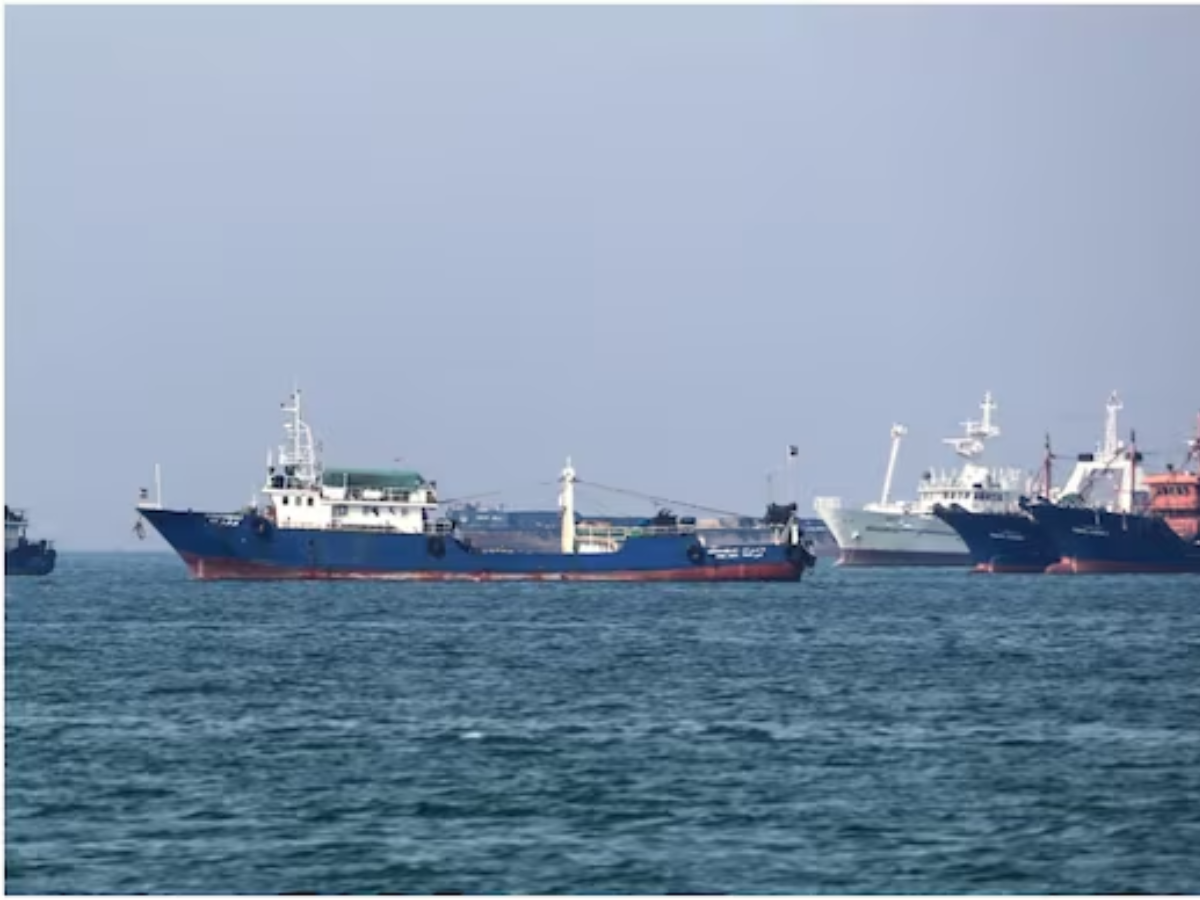
Around 37 Indian-flagged ships are currently stranded in waters near the Strait of Hormuz, according to industry reports. (Photo: Social Media)
Growing tensions in the Middle East are beginning to affect global shipping and India’s energy supply chain. Several Indian vessels carrying crude oil and liquefied petroleum gas (LPG) are currently stranded near the Strait of Hormuz as the conflict involving the United States, Israel and Iran continues to escalate. Shipping companies say the situation has created serious risks for cargo, crew members and fuel deliveries to India.
Industry groups have now urged the Indian government to step in and ensure safe passage for ships operating in the region.
Around 37 Indian-flagged ships are currently stranded in waters near the Strait of Hormuz, according to industry reports. Many of these vessels are oil tankers and LPG carriers that usually transport energy supplies to Indian ports.
Shipping operators say the vessels remain stuck because of what industry representatives describe as a “blocked style closure” of the critical shipping route due to the ongoing military tensions in the region.
The Indian National Shipowners’ Association (INSA) has written to the Ministry of Ports, Shipping and Waterways asking for urgent intervention to address the situation and help protect both ships and crew.
The association also asked the government to clarify reports suggesting that some Chinese and Iranian ships are still moving through the strait, which has created uncertainty for Indian shipping operators.
The disruption raises concerns about India’s fuel supply, especially LPG imports.
Experts say around 85% of India’s LPG imports pass through the Strait of Hormuz. If the shipping disruption continues for a longer period, it could affect fuel availability in the country.
India is also heavily dependent on energy shipments through this route. Nearly 40% of the country’s crude oil imports and more than half of its liquefied natural gas (LNG) supplies travel through the narrow waterway.
Shipping companies say the situation has made energy transport highly uncertain.
Security risks for vessels in the region have also increased since the conflict began on February 28.
According to shipping industry reports, three Indian tankers have already faced attacks, while one vessel reportedly escaped a missile strike.
The conflict has affected not only Indian vessels but also many international ships. Data from maritime tracking sources suggests that nearly 200 crude and product tankers involved in global trade remain stranded in Gulf waters.
INSA Chief Executive Anil Devli said about 400 Indian seafarers are currently working on Indian-flagged oil and gas tankers operating in the region.
The conflict has also caused shipping costs to increase sharply. War-risk insurance premiums for vessels travelling through the region have surged as security threats grow.
Devli warned that insurance costs could rise significantly if tensions continue. “Freight rates have already zoomed up, and many operators are reluctant to accept new orders,” he added.
Higher freight and insurance costs could eventually increase energy prices and shipping expenses for Indian companies.
The crisis is also affecting India’s exports to several regions, particularly Central Asian countries. Exporters say cargo ships are avoiding the route because of the risk of attacks in the area. Deepak Kumar, exporter and Director of Fortune Rice Limited, explained the situation.
"Only a few ships are currently transiting the Strait of Hormuz because the risk of damage from the war is high. Most cargo ships are parked in safe zones near major ports in Central Asian countries."
As a result, billions of dollars worth of Indian exports are currently delayed or stuck at ports.
The conflict has also triggered sharp fluctuations in global oil markets. Brent crude oil prices briefly surged close to $120 per barrel, reflecting fears that energy exports from the Gulf region could face disruption.
Although prices later eased to around $92–$95 per barrel, analysts say markets remain highly sensitive to developments in the Middle East. Experts believe that the situation around the Strait of Hormuz will continue to influence global energy prices and shipping operations in the coming weeks.
