Iran fires ballistic missiles at Israel after coordinated US-Israel strikes on Iranian targets, triggering nationwide alerts, missile interceptions, and emergency measures.
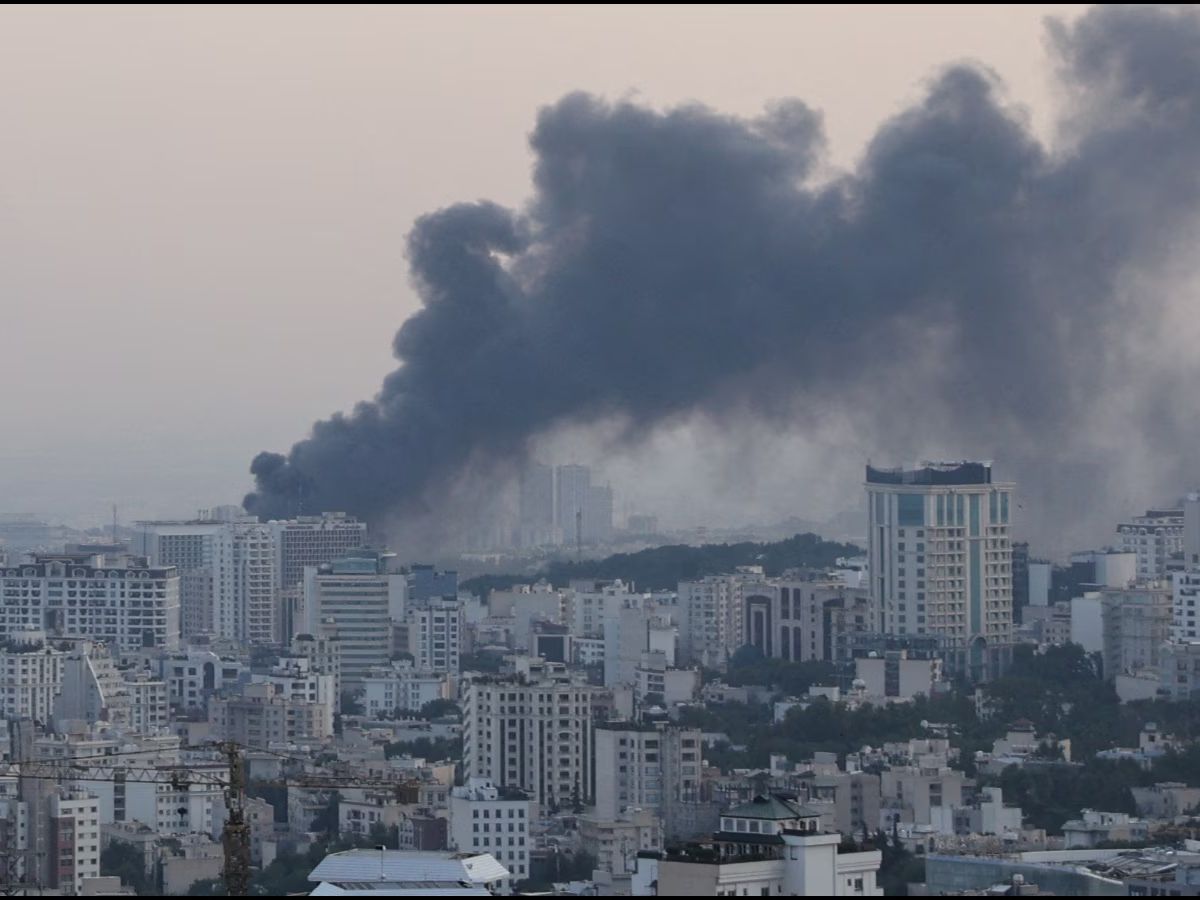
Iran fires ballistic missiles at Israel after coordinated US-Israel strikes [Photo: X]
In a dramatic escalation of tensions in the Middle East on Saturday, Iran launched a wave of ballistic missiles toward Israel after coordinated military strikes by Israel and the United States on Iranian territory. The offensive prompted Israel’s emergency alert system to display the entire country in “red,” indicating incoming missile threats.
Sirens wailed across major cities as defence forces responded to incoming projectiles. This confrontation marks one of the most serious escalations between Iran and Israel in recent years.
Israel and the United States carried out pre-emptive strikes against Iran on Saturday, targeting military, nuclear, and missile infrastructure amid long-running disputes over Tehran’s nuclear ambitions and missile programme.
These attacks, which involved both US and Israeli forces, aimed to “remove threats” that both nations say jeopardise regional security. Explosions were reported in Tehran and other Iranian cities, and Iranian airspace was closed as part of heightened military activity.
Shortly after the strikes, Iran’s military, including the Islamic Revolutionary Guard Corps, launched ballistic missiles toward Israeli territory. Israeli Defence Forces (IDF) confirmed detection of the missile launches and activated air defence systems to intercept the incoming threats. Citizens received urgent alerts instructing them to seek shelter in protected spaces.
Sirens sounded across multiple regions, prompting widespread public caution and emergency preparedness. Northern Israeli cities and central hubs like Tel Aviv were on high alert as interceptor systems engaged the missiles.
Israel’s official Home Front Command app, a primary alert system for civilians, showed the entire country highlighted in “red,” indicating a confirmed ballistic missile threat.
This is the most serious alert level, notifying residents to move immediately to safe rooms and follow emergency shelter protocols. The alert aims to save lives by ensuring people take refuge quickly ahead of potential impacts.
In response to the ballistic missile launches, the Israeli Air Force and IDF said they were actively intercepting threats and launching counter-measures as required. The country’s multi-layered air defence network, including systems designed for missile interception, was fully operational.
Israel also declared a state of emergency, restricting normal activities and closing airspace to ensure civilian safety and prioritise defence actions. Emergency directives included sheltering orders, temporary closure of schools and workplaces (except essential services), and strict advisories to remain in protected areas.
The flare-up triggered airspace closures not just in Israel but across neighbouring Gulf states and the wider Middle East. International flights were diverted or cancelled, and some governments issued advisories to their citizens across the region.
According to live reports, there were also indications that US bases in the Middle East could be targeted in related retaliatory action, though details remain emerging. Iran’s government has vowed to defend its territory and respond to what it calls an unprovoked assault by Israel and its ally, the United States.
US President Donald Trump described the military actions as necessary to “defend the American people” against imminent threats and long-standing hostile actions from the Iranian regime. He reiterated accusations that Iran’s government had waged campaigns of violence for decades and justified the strikes as part of a broader defence strategy.
Israeli Prime Minister Benjamin Netanyahu characterised the joint operation as vital to confronting what he called an existential threat from Iran’s leadership, reiterating that they must be prevented from acquiring nuclear weapons.
As the situation continues to unfold, analysts warn that the conflict could broaden or entrench longstanding regional hostilities. Both civilian and military developments are being closely monitored, and international diplomatic pressure is expected to mount in attempts to de-escalate the crisis.
