
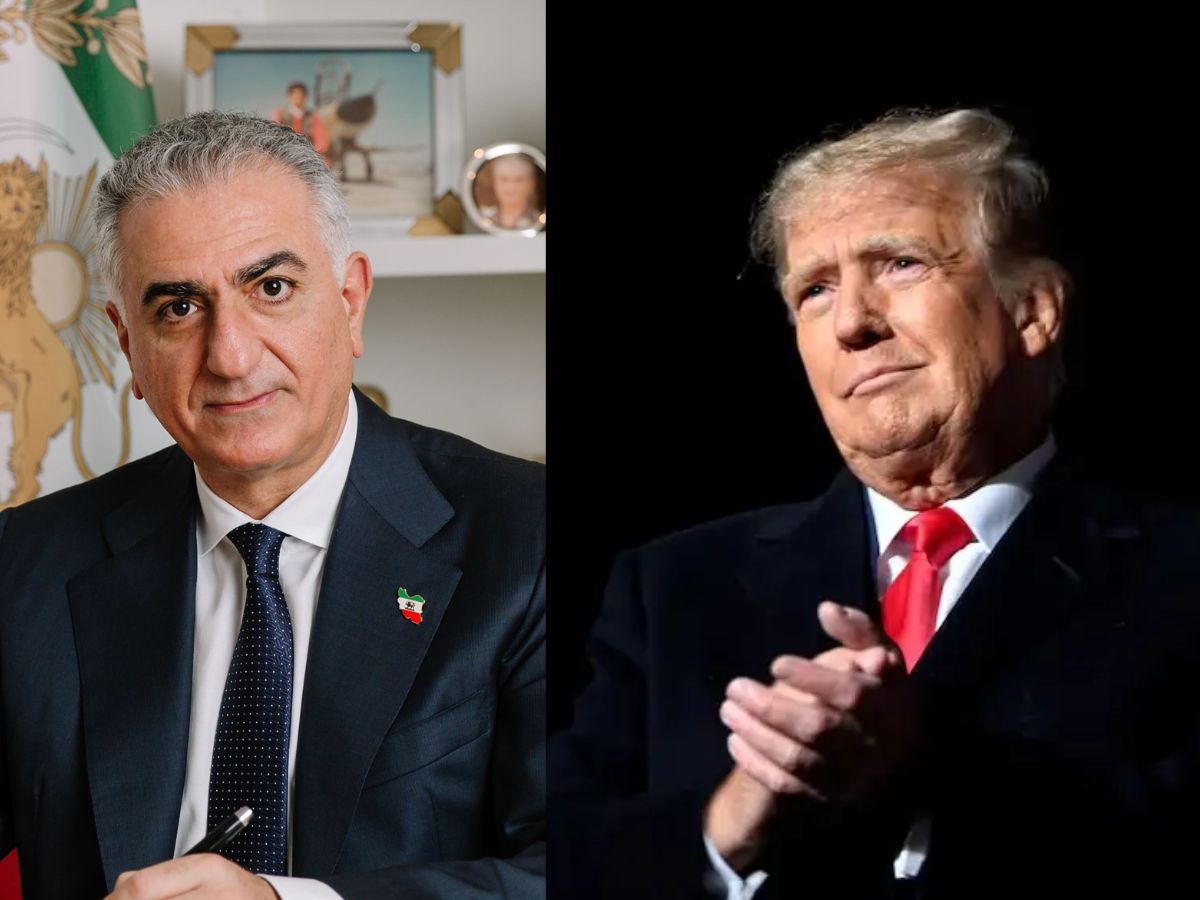
WASHINGTON, United States, January 9 — President Donald Trump has issued a stark public threat to Iran over its handling of domestic protests, promising severe U.S. retaliation if demonstrators are killed. However, his administration is simultaneously displaying strategic patience, declining to formally embrace the country’s most prominent exiled opposition figure despite the show of support for the protest movement.
What is Trump’s public threat to Iran?
In a Thursday interview with Hugh Hewitt, President Trump delivered an unambiguous warning to Tehran. “I have let them know that if they start killing people… we are going to hit them very hard,” he stated. He acknowledged some protest deaths might be from stampedes but emphasized that deliberate state violence would trigger a U.S. response, saying Iranian authorities would “pay hell.”
Why is the U.S. not meeting Reza Pahlavi?
While voicing strong moral support for the protesters, Trump signaled a cautious diplomatic approach. Asked about meeting Reza Pahlavi, the exiled son of Iran’s last Shah, Trump said, “I’m not sure that it would be appropriate at this point.” He added the U.S. should “let everybody go out there and we see who emerges,” indicating a wait-and-see stance on opposition leadership rather than anointing a favorite.
What is the situation inside Iran?
The threats and external calculations follow real turmoil. Protests triggered by a dire economic crisis have, according to local reports, led to at least 21 deaths since late December, including security force members. Trump addressed the protesters directly, calling them “brave people” and lamenting Iran’s fall from being “a great country.”
How does this two-part strategy work?
The U.S. approach seems aimed at putting maximum pressure on Iran’s leadership through public warnings, while avoiding steps that might weaken the homegrown, internal character of the current protests. By skipping a high-profile meeting with Pahlavi, the administration avoids handing Tehran simple propaganda to brand the unrest as a foreign-backed coup effort attempt claims.




