Iran's protest death toll has reportedly exceeded 2,500 amid violent crackdowns. US President Donald Trump urges continued protests and warns of action as Tehran blames external forces.
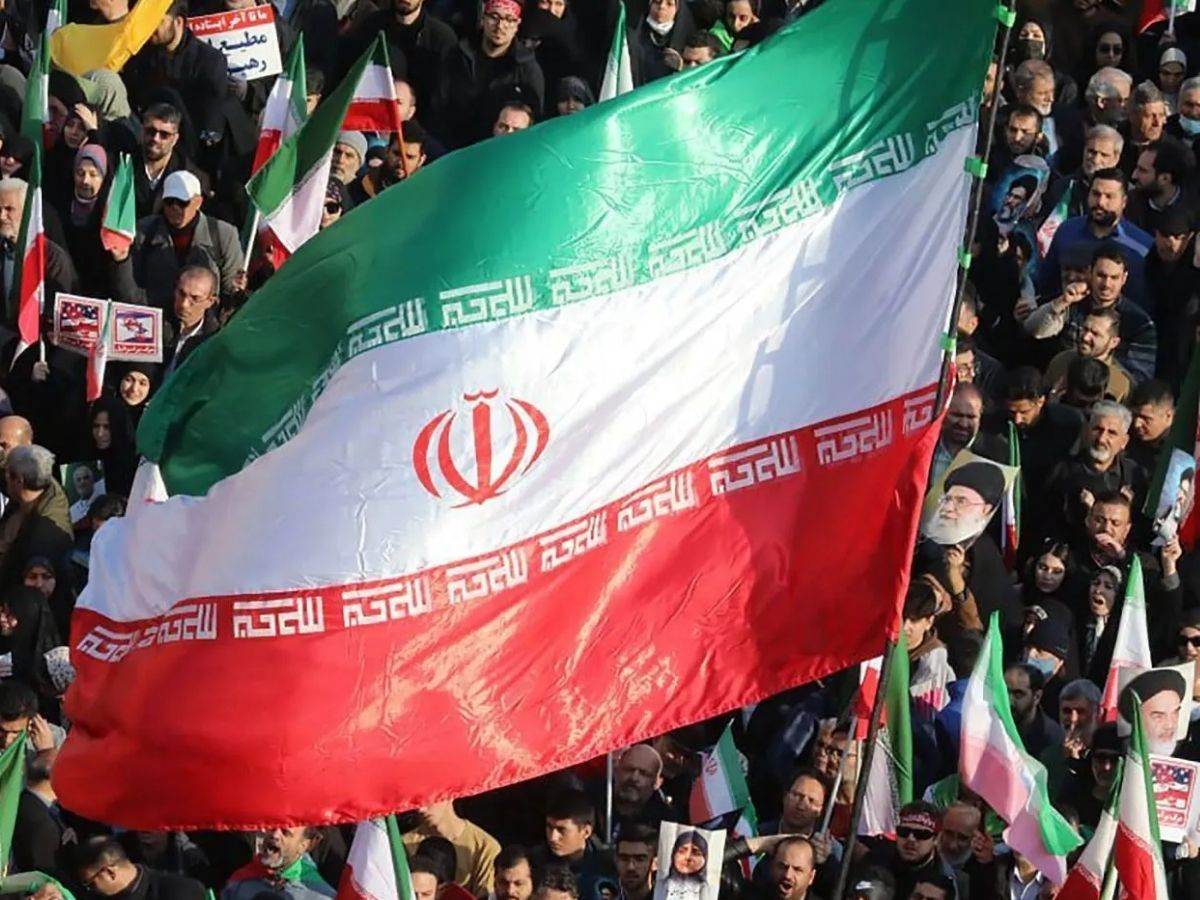
Iran's protest death toll has reportedly exceeded 2,500 [Photo: X]
Nationwide protests in Iran have entered their third week with the death toll of protestors and security personnel reportedly climbing over 2,500, according to activist groups monitoring the unrest.
The protestors, sparked by deep economic distress and expanding into anti-regime demands, have drawn global attention as the Iranian government intensifies its crackdown. With major communications blackouts and international reactions growing, the situation has become one of the most severe upheavals in Iran in decades.
Rights groups and activist networks have reported that the number of people killed in the protests now exceeds 2,500, a figure far higher than official tallies. Protests have spread across many cities, despite severe internet and messaging shutdowns aimed at limiting outside awareness of events inside the country.
Iranian state media has described many of the dead as “martyrs,” attributing fatalities to “armed and terrorist groups,” while issuing stern warnings against further unrest. The government’s crackdown has included large‑scale arrests and the forceful dispersal of protest gatherings.
US President Donald Trump has publicly backed the Iranian protesters, telling them to “keep protesting” and to “take over your institutions.” Trump announced that he has cancelled all meetings with Iranian officials until the violence ceases and told protestors that “help is on its way.”
In a statement posted on social media, Trump urged Iranians to record and remember “the names of the killers and abusers” and warned Tehran that they would “pay a big price” for the violence.
US President Donald Trump has publicly backed the Iranian protesters, urging them to “keep protesting” and to “take over your institutions.” Trump announced that he has cancelled all meetings with Iranian officials until the violence ceases and told protestors that “help is on its way.”
In a post on social media, Trump emphasized recording the “names of the killers and abusers” and warned Tehran that they would “pay a big price” for the crackdown. His comments have further escalated tensions between the US and Iran while signalling strong support for protesters inside the country.
European countries have reacted strongly to the crackdown. Nations including Spain, France, Belgium and the Czech Republic have summoned Iranian ambassadors to protest the violent suppression of protestors.
Sanctions targeting Iranian officials and sectors such as finance, energy and transport have also been proposed by the UK and the European Union as pressure mounts on Tehran to respect human rights.
The United Nations has urged an immediate end to the violence and called on the Iranian authorities to protect peaceful protesters. UN human rights officials have condemned the heavy use of force and urged that grievances be addressed through dialogue.
Tehran has vehemently rejected claims of wrongdoing and responsibility for civilian deaths. Iranian officials have blamed the United States and Israel for inciting violence and destabilizing the nation. A senior security official labelled President Trump and Israeli leaders as the “main killers” of Iranian civilians, accusing them of fostering unrest.
Iran’s UN ambassador also wrote to the United Nations Security Council, alleging that US policies and actions have contributed to civilian deaths, and accusing Washington of violating Iran’s sovereignty and security.
Amid the unrest, Iranian authorities eased some of the strict communication restrictions by allowing citizens to make international phone calls for the first time in days. However, SMS texting remains blocked, and internet access is largely limited to government‑approved platforms, leaving many citizens without reliable external contact.
Activists say that even when phone calls are possible, people outside Iran cannot call back, and reliable independent reporting from inside the country remains extremely difficult due to the ongoing information blackout.
The crackdown has sparked concerns among global and regional powers about wider instability. Trump’s warnings have included the possibility of “strong action” if Iran carries out executions of detained protesters, raising tensions in an already volatile Middle East.
Iranian authorities, meanwhile, have warned that any external intervention would have serious repercussions and accused foreign governments of seeking to fabricate a pretext for military confrontation.
