Iran Protests: At least 65 dead, 2,300+ arrested in Iran protests as internet blackout continues. Details on the crackdown, international response, and analyst insights.
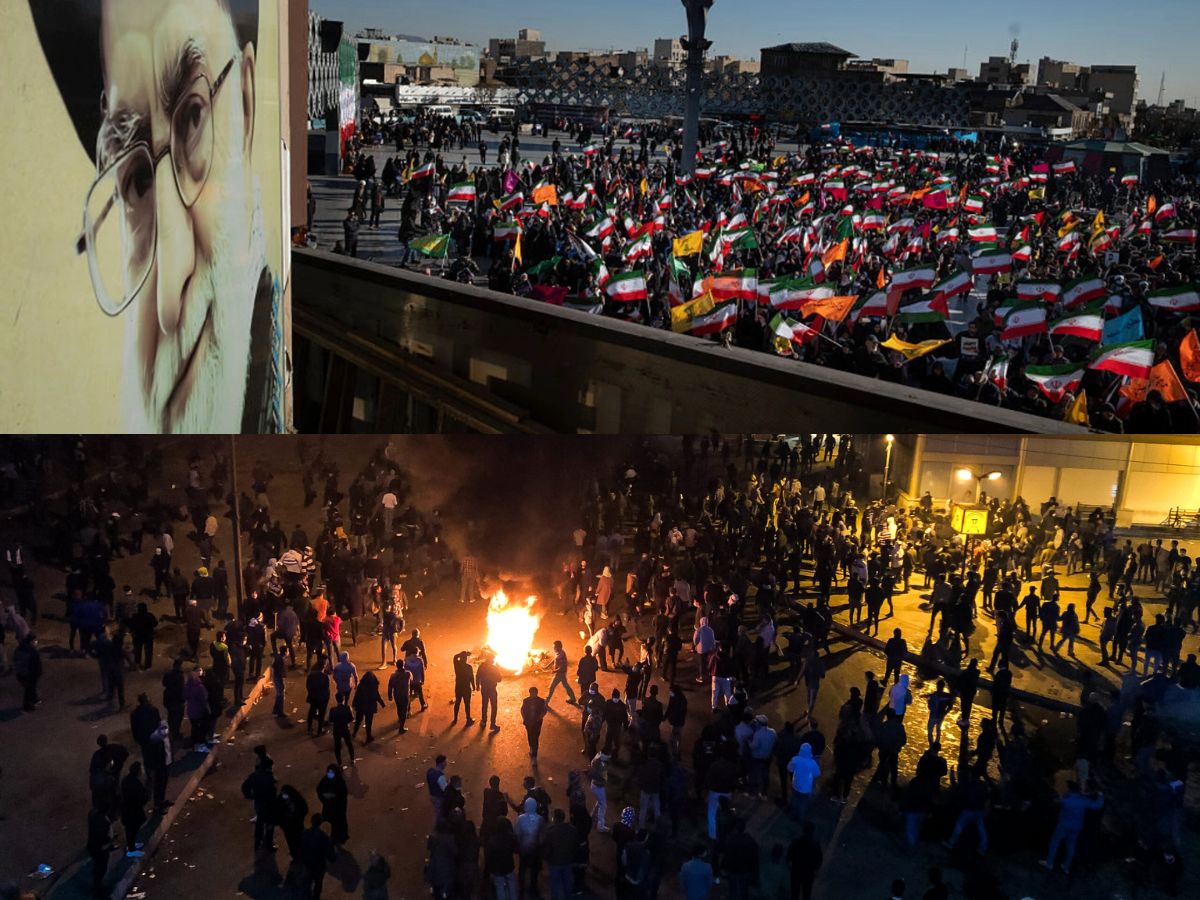
"Enemy of God": Iran Warns Protesters with Death Penalty Amid Nationwide Crackdown (Image: File)
TEHRAN, Iran, January 10 — At least 65 people have been killed and more than 2,300 arrested during two weeks of nationwide anti-government protests across Iran, according to a US-based human rights group. A continued, severe internet blackout imposed by authorities has not quelled the unrest, which has now spread to at least 100 cities in all 31 provinces, driven by crippling economic conditions.
The scale of the protests is reflected in the casualty and arrest figures reported by the US-based human rights group. The data indicates a significant and widespread challenge to state authority. The demonstrations, which began in Tehran’s bazaars over rampant inflation, have evolved into a broad movement, engaging a merchant class traditionally supportive of the regime.
Authorities cut internet access and telephone lines last Thursday, creating a near-total communications blackout. Despite this, a trickle of data suggests some high-value connections remain active. One network analyst explained, "Iran is technically connected to the internet, even if no one can communicate there." A Tehran resident told CNN the blackout appeared to have “backfired,” failing to stop people from protesting.
Political analyst Ali Fathollah-Nejad told CNN the anti-regime protests have reached a “new level” of momentum that could make a traditional crackdown insufficient. “If the momentum of these massive street protests are sustained, repression will become much more difficult if not insufficient,” he said. He argued this could eventually cause cracks within Iran's power elite.
Iran’s attorney general has warned that protesters could be considered “an enemy of god,” a charge carrying the death penalty. Meanwhile, detained Nobel Peace Prize laureate Narges Mohammadi has experienced “severe beatings” in prison, according to her foundation. She reported being beaten on the head and neck with batons and threatened with further violence after her detention in December.
International responses have been sharply divided. US President Donald Trump has threatened to attack Iran if security forces respond with force. Iran’s Supreme Leader Ayatollah Ali Khamenei, who has continued posting on social media despite the blackout, urged Trump to “focus on his own country” and blamed the US for inciting protests. European Commission chief Ursula von der Leyen expressed the EU’s full support for those “demanding freedom” and called for an end to the internet ban.
A: At least 65 people have been killed and more than 2,300 have been arrested, according to a human rights group.
A: Yes, a severe internet blackout imposed by authorities last Thursday is ongoing, though a minimal amount of traffic persists.
A: Her foundation reports she has suffered severe beatings in prison and has been deprived of legal counsel and regular contact with her family.
A: Iran’s attorney general has warned protesters could face the death penalty by being charged as “an enemy of god.”
A: They began as demonstrations in Tehran’s bazaars over rampant inflation before spreading nationwide.
