Iran paused 800 planned executions after US pressure, as Washington warns military action remains possible amid a deadly crackdown on protests.
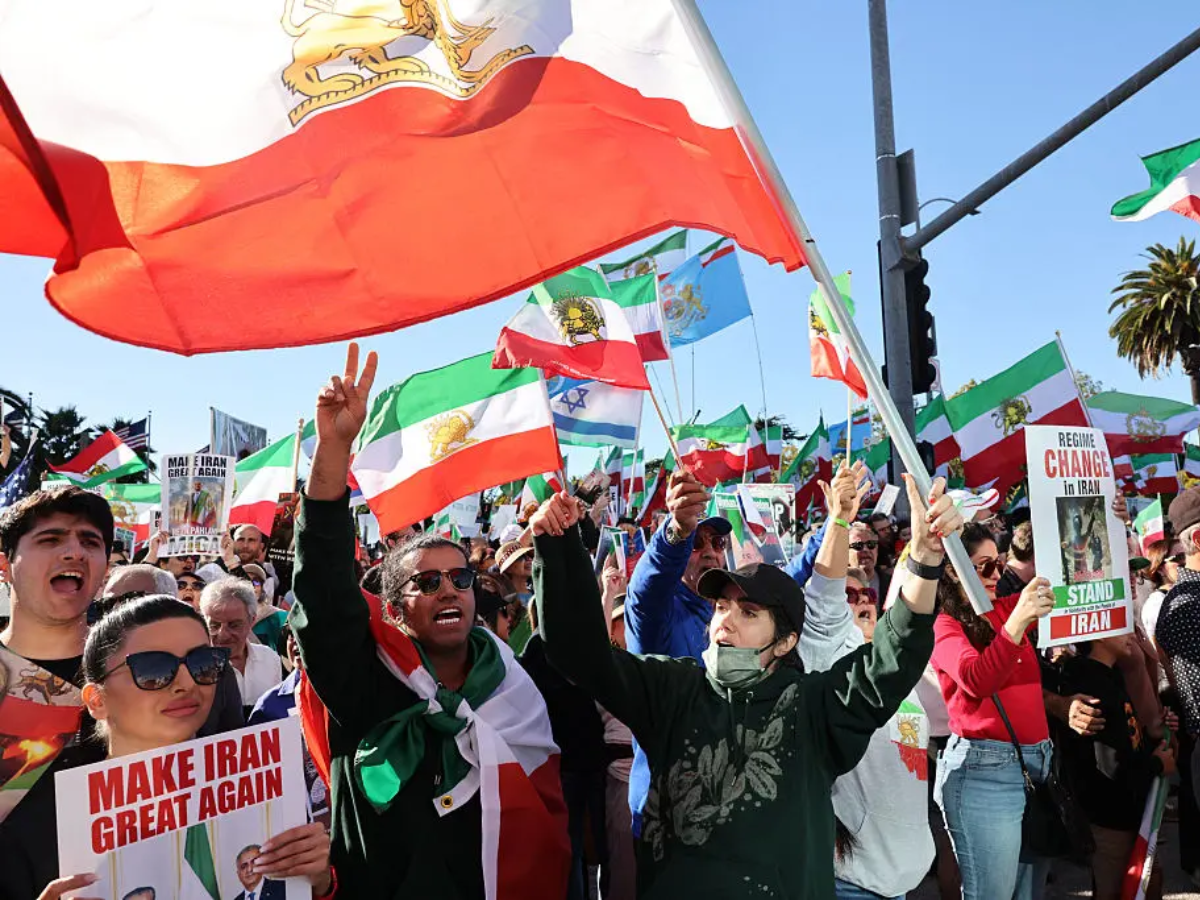
Iranian protesters gather amid unrest as the US warns Tehran of consequences over executions and human rights abuses (Photo: X)
Iran’s decision to postpone hundreds of execution cases has swung the course of the Iran-US standoff and it has made visible the intersection of international pressure and domestic turmoil at the most delicate time for the Iranian regime.
Iran reportedly stopped plans for 800 executions following direct warnings from President Trump, who said killings and executions tied to anti-government protests have been halted, though tensions and uncertainty remain.
Iran has also been rocked by nationwide protests with human rights agencies estimating in excess of 2,600 people dead from violence perpetrated by the state. The protests have spilled over into various centers in Iran in response to such matters as repression, economic troubles, and freedom of speech. As international pressure mounted, reports indicated that Iran planned to go ahead with the execution of no less than 800 prisoners, many of them suspected to be from among the protesting mass.
The White House reported that it was US President Donald Trump who personally intervened in the matter bywarning the Iranian government. The White House reported that the Iranian government had been warned that mass executions would mean crossing the red line and would have serious repercussions. The Iranian government immediately halted the executions after this warning. Although it appears that the Iranian government had not reaffirmed its policies, it seemed that the Iran policy had been effective for the time being.
In addition to these diplomatic measures, Washington has issued new sanctions on five Iranian officials for directing violence. Agencies of the US government are also taking steps to monitor foreign financial circles linked to the Iranian leadership. If implemented effectively, these measures mean a tougher policy with a mix of human rights activism and financial isolation to discourage decision-makers in Tehran.
Although the execution halt was made clear by the US, it was also asserted by US officials that restraint comes with conditions. The US has not foreclosed the possibility of military action in case the execution trend resumes or Iran responds to peaceful protests with additional forceful measures. Observers point out the cunning behind the ambiguous stand of the US policy in order to keep Tehran guessing without embarking upon an immediate war.
