Iran offers to dilute 60% enriched uranium if all U.S. sanctions are lifted, as tensions escalate with U.S. naval deployments and Hormuz warnings. Details on the Oman talks inside.
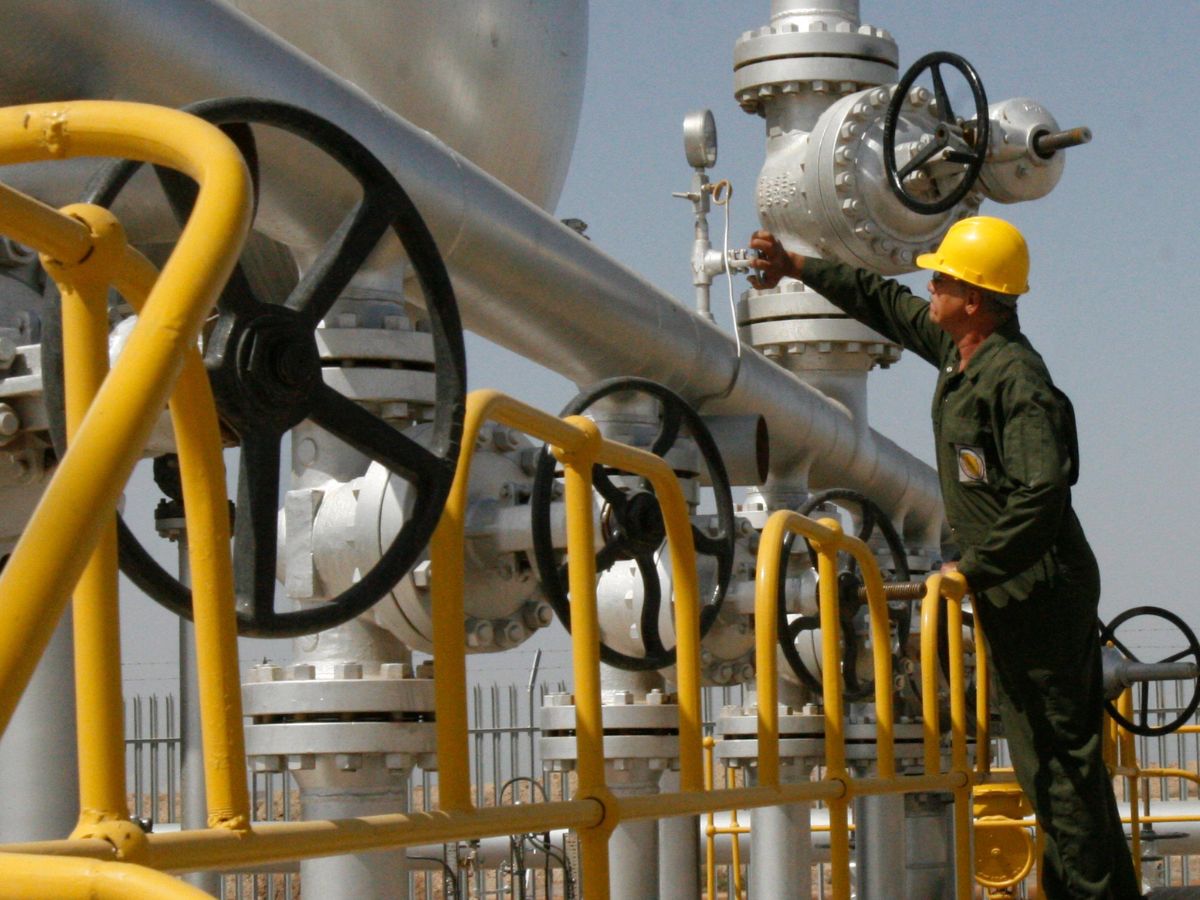
Iran Offers Major Nuclear Concession, Ready to Dilute Enriched Uranium in Return for Full U.S. Sanctions Lift-Off (Image: X)
Iran has declared it is prepared to reverse a key part of its nuclear program if the United States removes all economic sanctions, offering a potential diplomatic off-ramp amid severe military and political tensions. The conditional offer to dilute its stockpile of 60% enriched uranium follows a round of talks in Oman and coincides with a significant U.S. military buildup in the region.
The proposal was communicated by the head of Iran’s Atomic Energy Organization, as reported by the state-run IRNA news agency. The official stated that the possibility of diluting the country’s stock of 60% enriched uranium—a short technical step from weapons-grade levels—“depends on whether all sanctions would be lifted in return.” This statement followed resumed indirect talks with the U.S. in Oman.
Tensions are acutely high, with both sides engaging in visible military maneuvers. The U.S. has deployed a significant naval force, referred to by President Donald Trump as an “armada,” towards the region. In response, the U.S. Department of Transportation issued an advisory warning U.S.-flagged vessels to stay clear of Iranian waters in the Strait of Hormuz and Gulf of Oman, citing a risk of boarding by Iranian forces. Iran’s Foreign Minister Abbas Araghchi dismissed the buildup, stating, "Their military deployment in the region does not scare us."
Both nations described the indirect talks held in Oman as a "good step." Iranian officials emphasized that any dialogue "requires refraining from threats and pressure" and is strictly limited to the nuclear issue. President Trump acknowledged the discussions, stating, "Iran looks like it wants to make a deal very badly. We have to see what that deal is." Another round of talks is anticipated shortly.
The diplomatic maneuvering occurs against a backdrop of intense internal repression in Iran and regional incidents. Reformist leaders like Ali Shakouri-Rad have just been arrested, and Nobel laureate Narges has received new prison terms as part of Iran's harsh crackdown on widespread rallies that has reportedly claimed over 3,400 lives.Mohammadi. Meanwhile, the U.S. military boarded a sanctioned oil tanker in the Indian Ocean, highlighting ongoing shadow conflicts over energy shipments.
A: It is a reversible technical technique that reduces the enrichment level of uranium, making it less suited for possible weaponization. It would be a step back for Iran's most advanced nuclear activity.
A: Iran's condition is for all U.S. sanctions to be lifted. This would include sweeping economic, trade, and energy penalties that have crippled its economy.
A: The U.S. has strengthened naval deployments near Iran and released maritime warnings after Iranian forces harassed or attempted to board commercial vessels close to the Strait of Hormuz.
A: The tensions have a direct effect on global oil prices and shipping. Brent crude rose by about $1 a barrel after the U.S. maritime advisory, showing market sensitivity to possible disruptions in the key Strait of Hormuz chokepoint.
Disclaimer: This information is based on inputs from news agency reports. TSG does not independently confirm the information provided by the relevant sources.
