
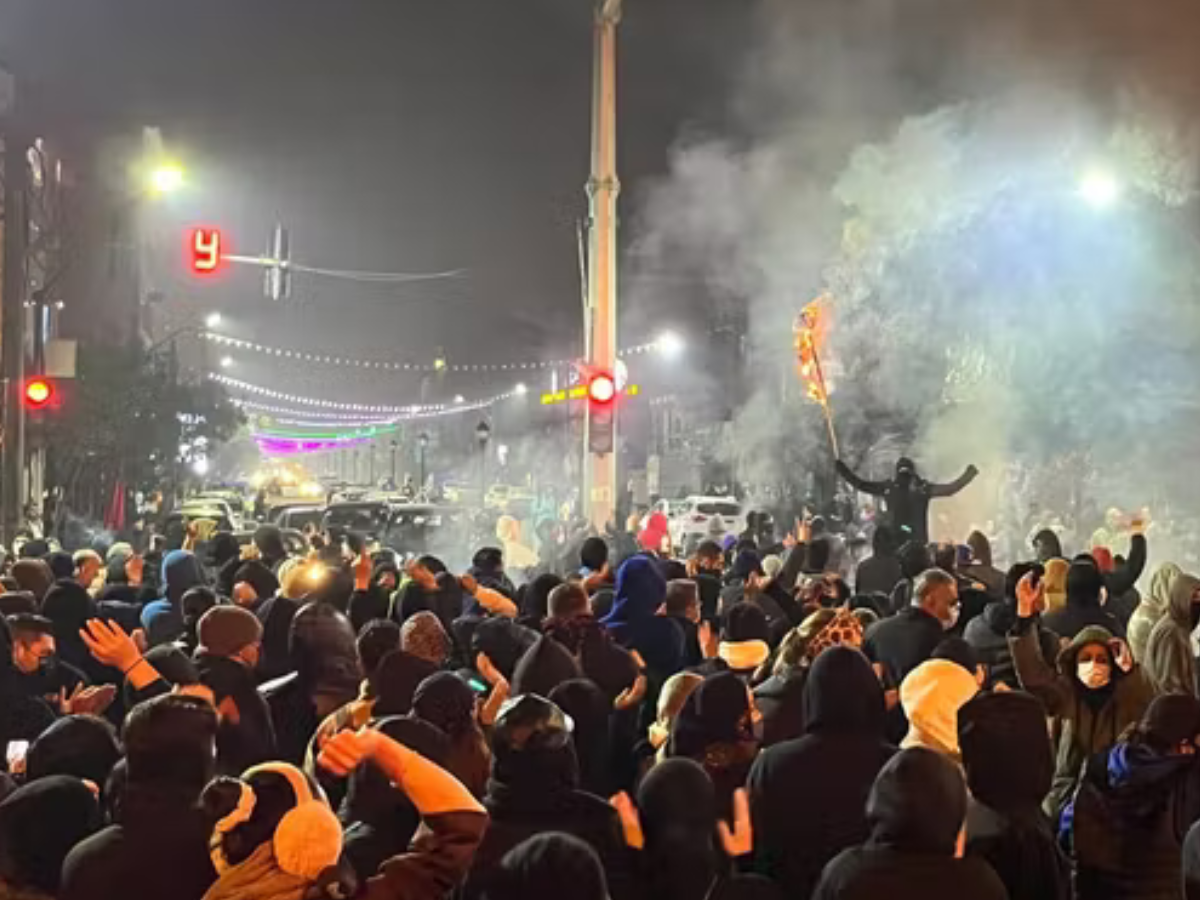
Iran on High Alert: Iran is now facing one of the most turbulent periods in the past few years. Initially, the current unrest in the form of protests started over economic hardship. These demonstrations have escalated to a confrontation of the Iranian political structure. After over two weeks of unrest, Iranian activist groups confirm a death toll of 538 and that the toll is still expected to rise in a situation whereby there is an information blackout, as per Reuters Reports.
The US based Human Rights Activists News Agency reported that more than 10,600 people have been detained. Of the fatalities, 490 were protesters and 48 were security personnel, with the agency cautioning that the numbers are likely to rise.
Rising Toll Behind Closed Networks
As of now, 162 people from the protest ranks and 41 from the security force are reported to be killed, according to Human Rights Activists News Agency based in the US. Over 3,200 people have also been arrested, and this is based on a nationwide toll. Due to a lack of access to the web and phone lines being down, it has become even more difficult to get an update from within Iran. Based on previous protest demonstrations, the toll could actually be much higher.
Political Warnings & Military Rhetoric
With the escalating unrest, Iran’s regime has begun to look outward with threatening rhetoric. Iran parliament speaker, Mohammad Bagher Qalibaf, was vocal about threatening the U.S. military bases and Israel, calling these countries legitimate targets for Iran should they be attacked. These remarks came after the U.S. was reported to have assessed military options, without making any final decisions.
Though such rhetoric may please the regime’s more conservative audience at home, it may also invite miscalculations on the Iranian side at a moment when Iran has itself vulnerable defenses against aerial attacks following the recent dispute between Iran and Israel.
International Pressure & Mixed Signals
The United States has come up with public warnings as well as solidarity messages to protesters. United States President Donald Trump said that America stands prepared to assist Iranian citizens who call for freedom. Iranian citizens over time have responded positively to these expressions, but Iranian authorities feel offended. The United Kingdom government has used a balanced tone. The United Kingdom government has demanded that Iranian protesters stop using violence.
Regime Confronts Unprecedented Challenge
Ultimately, any decision on escalation rests with Supreme Leader Ayatollah Ali Khamenei. At 86, how he addresses the crisis will define Iran’s direction for years to come. The protests represent the longest-lasting internal challenge since earlier nationwide uprisings, driven by not only economic pain but also deeper claims of accountability and basic freedoms. Which way the state chooses between reform and repression will determine whether this becomes a turning point or another chapter in long cycles of unrest.




