Trump weighs military strike options on Iran, from targeted attacks on nuclear and missile sites to hitting leadership, as tensions rise with US forces nearing strike range.
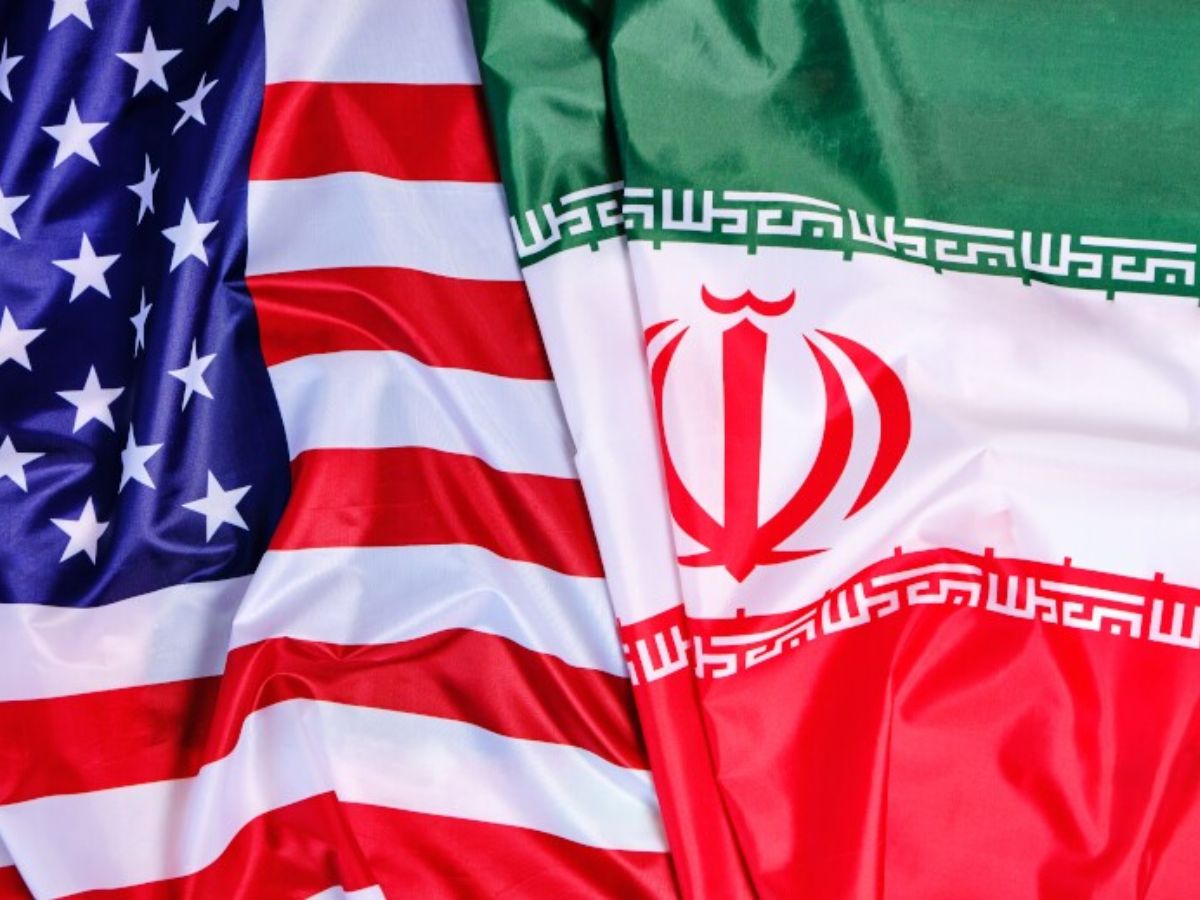
Trump weighs military strike options on Iran, from targeted attacks on nuclear and missile sites [Photo: X]
US President Donald Trump is considering a range of military options against Iran as tensions escalate dramatically in the Middle East. A powerful US naval force, led by the aircraft carrier USS Abraham Lincoln, has pushed into the region, giving Washington more options to act if Trump orders strikes.
While the president has publicly said he hopes to avoid war, officials say he has not ruled out targeted military action aimed at Iran’s nuclear program, missile capabilities, or leadership. Tehran has responded with strong warnings, saying any attack would trigger a severe and immediate response. Diplomacy has stalled as both sides prepare for the next move, raising concerns about regional instability and the global oil market.
Trump’s focus on Iran has intensified amid reports of a brutal crackdown on nationwide protests inside the country, which the US and its allies have strongly condemned. Washington is accusing Iranian authorities of harming civilians and pursuing nuclear capabilities that could threaten regional security.
To back up his threats, Trump has directed a significant military buildup in the Middle East, including positioning warships equipped with long-range missiles. Multiple sources say the president has been presented with options ranging from limited precision attacks to broader operations designed to degrade Iran’s nuclear and missile infrastructure.
Trump’s advisers have presented him with a spectrum of options that go beyond defensive postures. These include:
The arrival of the Abraham Lincoln carrier group, accompanied by destroyers and fighter jets, enhances the Pentagon’s ability to conduct precision strikes deep inside Iranian territory. Analysts note that these warships carry hundreds of Tomahawk cruise missiles, giving US commanders long-range options.
Defense officials say the deployment isn’t a guarantee of imminent war, but it does give Trump meaningful leverage in both military and diplomatic circles.
Trump has publicly acknowledged the military buildup and insisted he hopes no military action will be necessary. “We have a group headed out to a place called Iran, and hopefully we won’t have to use it,” he told reporters, stressing his desire to see diplomatic talks alongside a show of strength.
White House spokespeople have echoed that “all options remain on the table,” making it clear Trump has not ruled out a strike but is still weighing the political and strategic costs.
Tensions between the US and Iran have been rising following Tehran’s brutal crackdown on nationwide protests and its continued nuclear ambitions. Trump has repeatedly warned Tehran that military pressure will increase if Iran does not halt its nuclear pursuits or stop killing protesters.
The pressure campaign now includes diplomatic isolation, sanctions, and positioning of military forces, signalling Washington’s intent to avoid Iranian nuclear armament or further regional destabilisation.
Despite a strong US posture, key Gulf countries like Saudi Arabia and the United Arab Emirates have refused to allow the use of their airspace or territory for a US strike on Iran. This limits some of the strategic options available to Trump and complicates potential operational planning.
Even Israel and other US partners have privately urged caution, acknowledging that strikes alone are unlikely to topple Iran’s government and could spark a broader conflict.
Tehran has warned that any attack would trigger immediate and powerful retaliation. Iranian leaders have publicly rejected the US threats and insisted negotiations cannot proceed “in an atmosphere of threats.”
Iran’s air force and missile units have been placed on high alert, and military drills have been announced near the Strait of Hormuz — a critical oil shipping route — in what many see as a direct warning to the US.
Despite sharp rhetoric, diplomacy has not been completely ruled out. Qatar’s leadership has engaged with both Iran and the US in a bid to ease tensions, and Russia has urged direct talks to avert conflict.
Trump has repeatedly left open the possibility of negotiations, suggesting he may speak directly with Iranian officials while maintaining a robust military posture.
At this stage, Trump’s decision hinges on multiple factors: international political pressure, intelligence assessments of Iranian capabilities, and the potential risks of escalation. Analysts say limited tactical strikes remain more likely than full-scale war, especially as the US seeks to maintain leverage without triggering widespread regional conflict.
The world watches closely as Trump balances threats, diplomatic efforts, and military readiness while weighing the potential consequences of any strike on Iran.
