A closer look at Israel and Iran’s military strengths, troops, air power, missiles, tanks and naval forces, amid rising conflict following strikes on Tehran and regional retaliation.
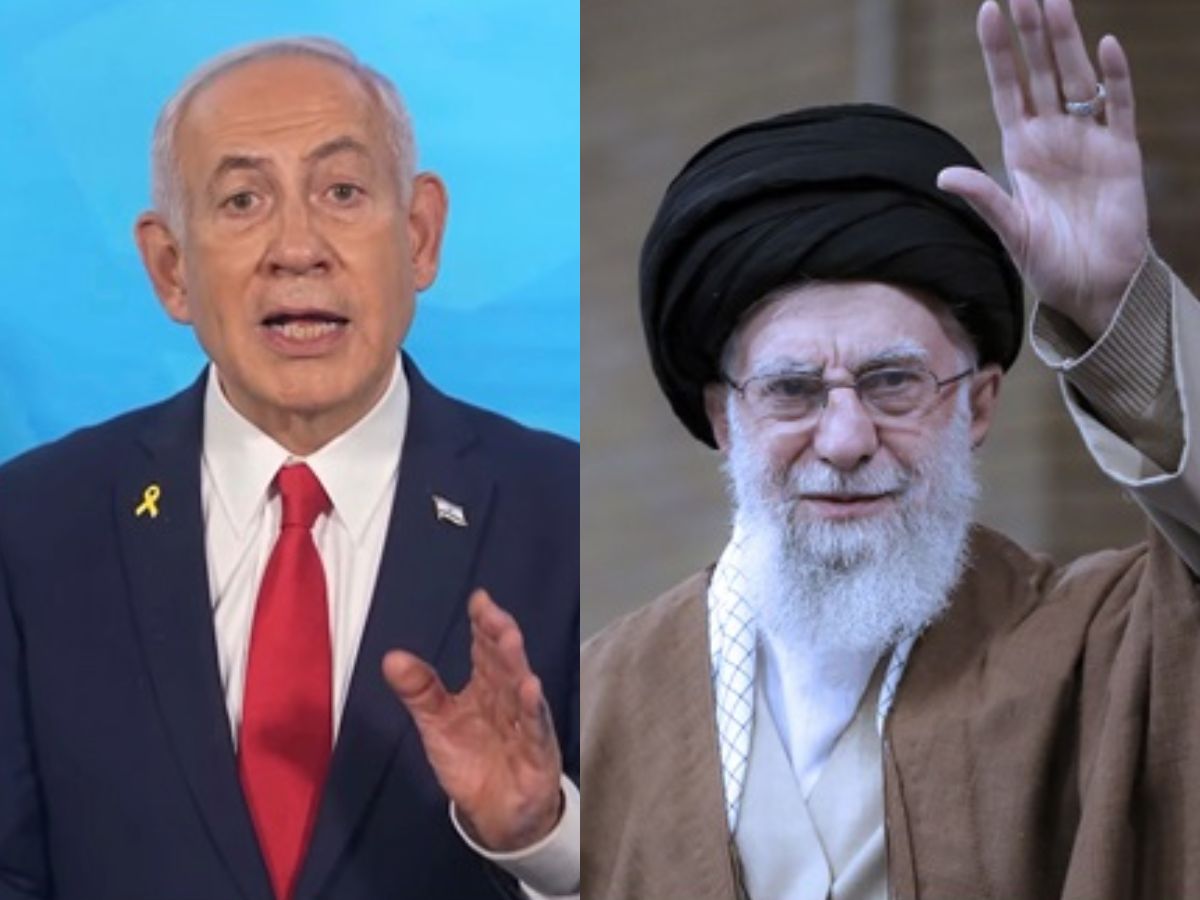
A closer look at Israel and Iran’s military strengths, troops, air power, missiles, tanks and naval forces [Photo: X]
The face-off between Israel and Iran has drawn global attention as both nations engage in military actions following recent strikes on Tehran. As explosions reverberated through Iranian cities after airstrikes, concerns over a wider war have pushed analysts and citizens alike to ask a key question, Which country has the stronger military?
Although both militaries possess significant capabilities, their strengths differ in structure, technology, and strategy. Understanding these can help explain how this conflict might unfold.
Iran maintains one of the largest standing armies in the Middle East. Its active forces number roughly 610,000 soldiers supported by up to 350,000 reservists and additional paramilitary units. This gives Tehran considerable manpower for extended operations and territorial defence.
In contrast, Israel fields a smaller standing army, with about 170,000 active troops. However, its strength lies in its ability to mobilise quickly, calling up nearly half a million reservists during wartime. This rapid expansion capability allows Israel to scale up its forces in response to major threats, offsetting its smaller peacetime numbers.
Israel’s air force is widely recognised for its technological edge. With more than 600 aircraft, including advanced fighter jets, attack helicopters and intelligence platforms, Israel emphasises precision strikes, real-time intelligence, and electronic warfare. Its modern fleet allows it to carry out complex operations with high accuracy.
Iran’s fleet totals slightly fewer aircraft, with many older models. To balance this, Tehran has invested heavily in drones, cruise missiles, and layered air-defence systems that extend its ability to strike from a distance and defend key areas without relying solely on conventional aircraft. This strategy enhances its defensive posture in conflict scenarios.
Iran’s ground military operates with a substantial inventory — between 1,700 and 2,000 tanks, tens of thousands of armoured vehicles, and a significant number of rocket launchers. These forces are structured for large-scale ground warfare and sustained operations.
Israel’s ground forces feature fewer tanks and vehicles but rely on advanced targeting systems, mobility, and modernised artillery that support rapid manoeuvre and precision engagement on the battlefield. This difference reflects distinct defence doctrines: Iran emphasises massed firepower and saturation, while Israel prioritises technology and agility.
Iran’s naval strategy focuses largely on control of nearby waters such as the Strait of Hormuz, a vital energy transit route. It uses fast attack boats, missile-armed vessels and coastal defence systems to challenge larger navies and protect strategic interests.
Israel’s navy, though smaller, centres on submarines and missile-equipped vessels that protect its coastline and deter threats. Its submarine fleet, in particular, plays a key role in strategic deterrence rather than broad regional dominance.
Israel’s annual defence budget, significantly larger than Iran’s, allows for extensive investment in cutting-edge technology, including missile defence (such as the Iron Dome and David’s Sling), cyber warfare capabilities and intelligence systems.
Iran’s smaller budget and economic pressures, including sanctions, have pushed it to develop indigenous weapons and focus on cost-effective systems like drones and missiles.
Global assessments place Israel and Iran close to one another in overall military power, with Israel slightly ahead due to its technological edge and strong alliances. Israel is ranked around 15th globally, just above Iran at 16th in the 2026 Global Firepower index.
A key factor in Israel’s strength is its close strategic partnership with the United States, providing access to advanced weapons and military support. In the current crisis, the US has moved additional forces and assets into the region, underscoring the broader geopolitical stakes.
With recent airstrikes, emergency alerts and military movements on both sides, experts warn that even limited retaliation could trigger a much larger conflict. Iran’s missile capabilities, combined with Israel’s advanced defences and US backing, create a volatile mix that could draw in other regional players and disrupt trade and energy routes.
As both nations balance offensive and defensive strengths, from missile arsenals and drones to advanced aircraft and naval units, the outcome of this military face-off remains uncertain. Continued diplomatic efforts, military posturing, and strategic decision-making will shape the next phase of this high-stakes confrontation.
