Ayatollah Ali Khamenei Killed in US-Israel Strikes: Iran Declares 40 Days of Mourning, Revolutionary Guards Threaten Massive Retaliation
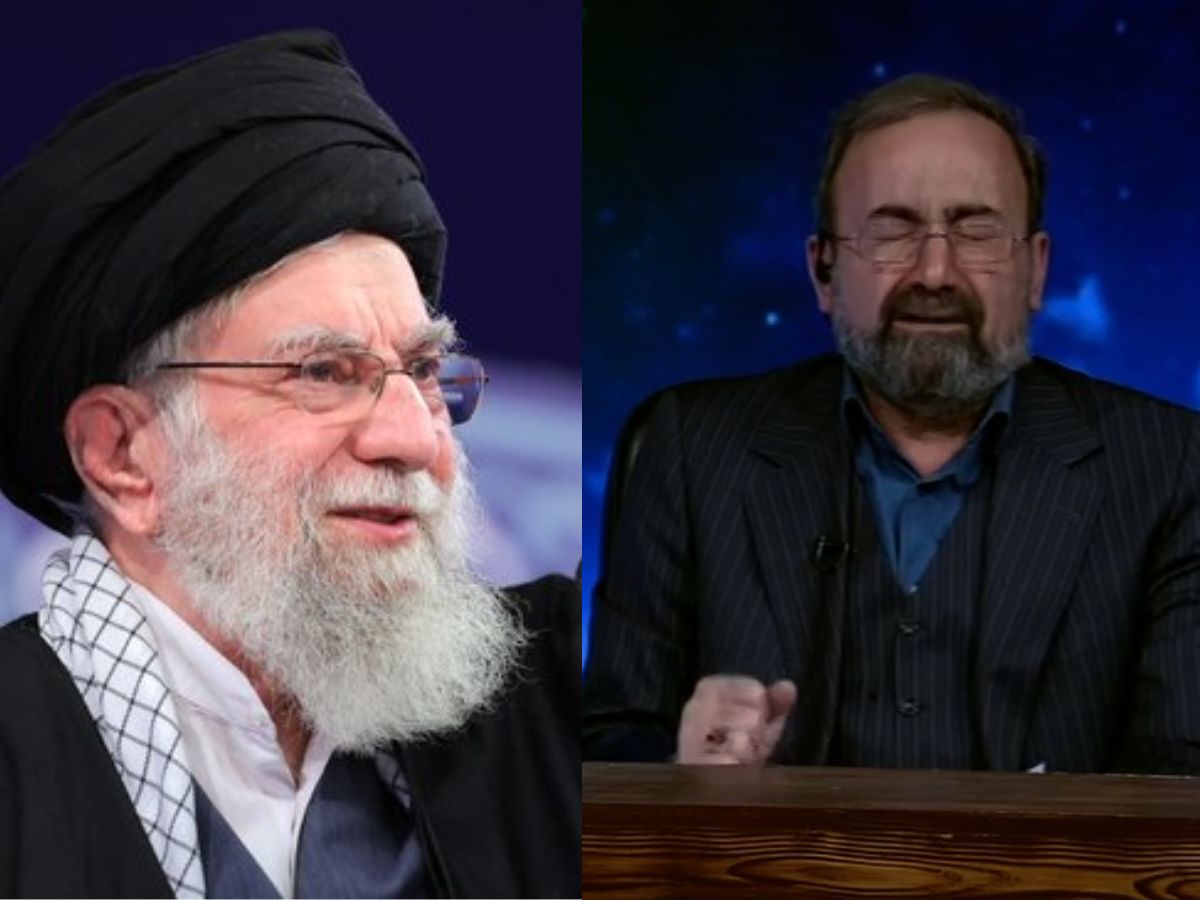
Iran Warns of Historic Retaliation Following Khamenei Killing in US-Israeli Operation (Source: X)
Ayatollah Ali Khamenei Killed in US-Israel Strikes: Iranian state media outlet Press TV reported on Sunday that Iran’s Supreme Leader, Ayatollah Ali Khamenei, was killed in joint US-Israeli airstrikes.
In a post shared on X, Press TV stated, "Leader of Islamic Revolution Ayatollah Ali Khamenei martyred in US-Israeli attacks on Iran"
Leader of Islamic Revolution Ayatollah Ali Khamenei martyred in US-Israeli attacks on Iran pic.twitter.com/Qhu4WoDkrL
— Press TV 🔻 (@PressTV) March 1, 2026
According to Iranian reports, the death followed large-scale strikes carried out by the United States and Israel on Saturday under operations referred to as Epic Fury and Lion's Roar. The announcement quickly spread across the country, marking a historic and shocking moment in Iran’s political history.
News anchors on Iranian state television became emotional while delivering the breaking news. Some broke down in tears during the live broadcast.
One anchor, crying on air, strongly reacted and said, "Trump is going to pay a price paid by no American president of all time! Revenge is coming!"
BREAKING: Iranian state TV has confirmed that Supreme Leader Ayatollah Ali Khamenei was killed in Israeli and US strikes today.
— Shayan Sardarizadeh (@Shayan86) March 1, 2026
A tearful host on state TV's channel one announced the news live just now. pic.twitter.com/fbIpaRz9sz
The emotional coverage reflected the gravity of the moment for the Islamic Republic.
Soon after the announcement, Iran’s Revolutionary Guards issued a sharp warning. They declared that a powerful military response would soon begin against Israel and US bases in the region.
In a Telegram post, the Guards stated, "The most ferocious offensive operation in the history of the Islamic Republic of Iran's armed forces will begin any moment now," This statement raised fears of further escalation in the Middle East conflict.
Iran has officially begun 40 days of public mourning following Khamenei’s death. In Shia Islam, the 40th day after death, known as Arba'een, carries deep spiritual significance.
The Supreme Leader’s office announced national mourning. Flags are flying at half-mast, and public gatherings are being organised across the country to honour him. His passing ends a 37-year period of leadership in the Islamic Republic.
Khamenei became Supreme Leader in 1989 after the death of Ruhollah Khomeini, the founder of the Islamic Republic of Iran. During his decades in power, he maintained a firm stance against Western influence and played a central role in shaping Iran’s political and military direction.
Following the announcement, security forces increased their presence across the country, especially in Tehran and other major cities. Authorities aim to prevent unrest and maintain public safety during this tense period.
Attention is now focused on who will replace Khamenei as Iran’s next Supreme Leader. There is growing speculation about possible successors and how the leadership transition will affect Iran’s political future.
However, holding key meetings during wartime conditions is difficult. A major unresolved question remains: who will shape the future of the Islamic Republic — the clerical establishment or the powerful Revolutionary Guard? This uncertainty has become the most urgent issue facing the country.
