
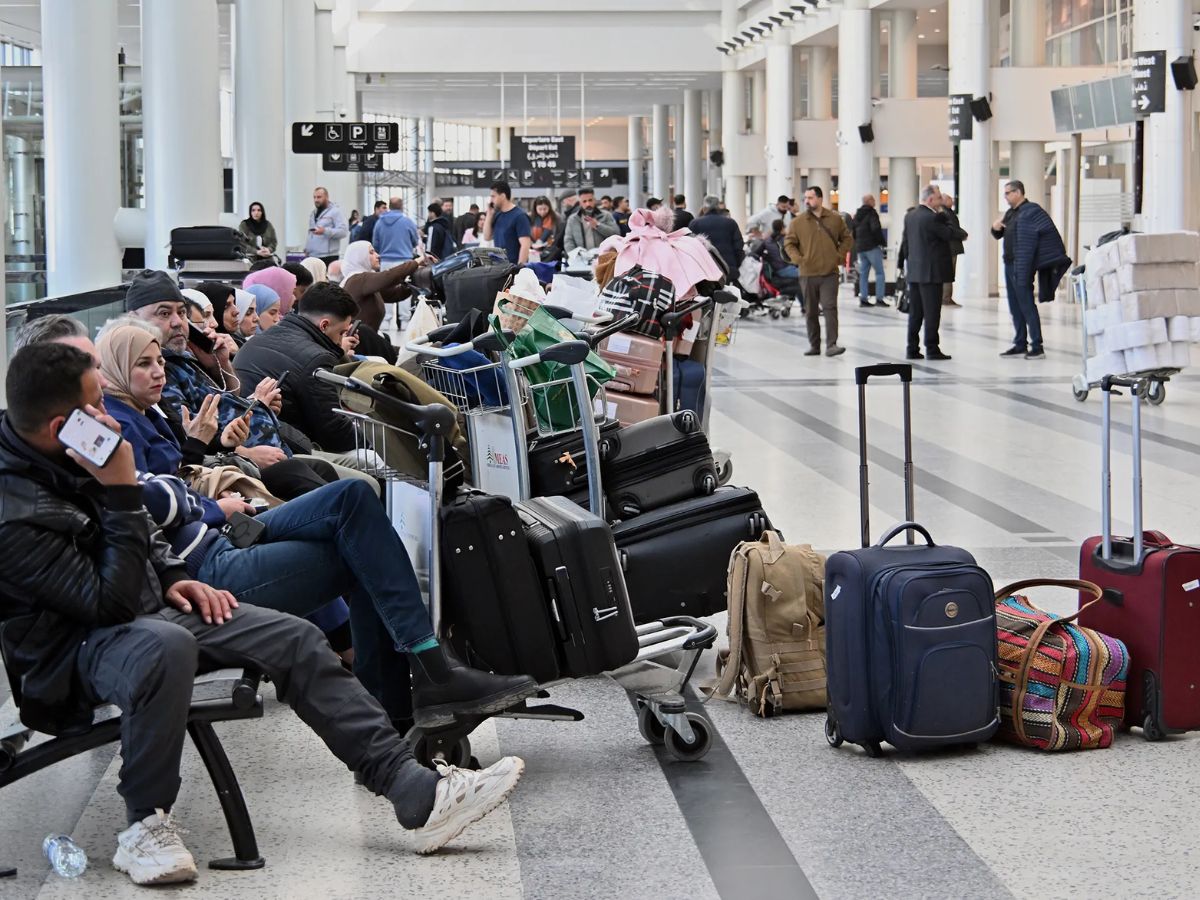
The escalating Iran–Israel conflict has sent shockwaves across the Middle East, disrupting air travel and leaving tens of thousands of passengers stranded in Gulf countries. Major airlines have suspended flights, while civil aviation authorities in countries including the UAE, Qatar, Kuwait, Bahrain, Saudi Arabia, and Oman have closed or restricted airspace. Airports in Dubai, Abu Dhabi, Doha, Manama, Riyadh, and Kuwait City are among the most affected hubs, with disruptions expected to continue for several days.
Authorities and airlines across the region have activated support measures to assist stranded travellers. Options include rebooking flights, requesting refunds, extended hotel stays, and meal provisions. Here’s a comprehensive guide for tourists navigating the Middle East air travel crisis.
Iran-Israel War: Middle East Flight Cancellations Today (March 2)
Airspace closures triggered by regional military tensions have forced widespread flight cancellations:
- Emirates, Etihad Airways, flydubai, and Air Arabia have suspended operations in the UAE.
- Qatar Airways has paused flights to and from Doha.
- Gulf Air, Saudia, Oman Air, and Kuwait Airways have also suspended services due to airspace restrictions.
Hundreds of flights across the Gulf and neighbouring countries have been cancelled or rerouted, leaving passengers with limited options for travel. International carriers like IndiGo, Air India, British Airways, and Lufthansa have also suspended flights passing through the affected corridors.
Iran-Israel War: How to Get a Refund for Cancelled Flights in the Middle East? Step-by-Step Guide
Passengers across the Middle East can follow these steps to secure refunds for cancelled flights:
Step 1: Confirm Flight Cancellation
Check your airline’s website, app, or notifications before requesting a refund. Wait for the airline to officially cancel your flight.
Step 2: Keep Booking Details Ready
Have your PNR, ticket number, passport, and payment receipts on hand.
Step 3: Use Official Airline Channels
Submit refund requests via the Manage Booking portal on your airline’s website or contact customer service. Avoid third-party websites.
Step 4: Avoid Cancelling Yourself
Cancelling your ticket before the airline may disqualify you from full refunds or waivers.
Step 5: Consider Free Rebooking
Many airlines allow rebooking without extra charges. Decide whether you want a refund or a new travel date.
Step 6: Submit Refund Request
Provide all required details, including proof of cancellation, ticket confirmation, and passport copies if needed.
Step 7: Track and Follow Up
Refunds may take 5–15 business days. Keep your request number handy and follow up if delayed.
Step 8: Seek Additional Support
If booked via a travel agent, contact them for assistance. If paid with a credit card, your bank may allow chargebacks for flights disrupted due to conflict.
Step 9: Document Everything
Save all emails, messages, and receipts to support your claim if escalation is needed.
Step 10: Stay Informed
Follow airline updates and government travel advisories for flight resumptions and airspace reopenings.
US-Israel Attacks Iran: Middle East Support Measures for Stranded Tourists
Authorities and airlines across the Gulf have introduced emergency measures:
- Accommodation and Meals: Many governments and airports are coordinating to provide hotel stays and meals for affected passengers. Hotels in Dubai, Abu Dhabi, Doha, Manama, Riyadh, and Muscat are offering extensions for travellers who cannot depart.
- Temporary Facilities: Airports have set up lounges and meal stations for passengers waiting for rescheduled flights.
- Community Support: Local businesses, including home rental providers, are offering temporary accommodation, particularly for families, elderly travellers, and children.
- Rebooking and Refunds: Airlines are allowing free rebooking and full refunds for flights cancelled due to airspace closures.
Iran-Israel War: Practical Tips for Stranded Tourists
- Check Flight Status Before Heading to the Airport
- Keep Important Documents Ready: Passport, boarding pass, visa, booking reference
- Don’t Rush to Cancel: Wait for official airline cancellation notices
- Seek Help from Embassies or Consulates: They provide emergency assistance, hotlines, and updated travel advisories
Iran-Israel War: Wider Regional Travel Impact
Flight disruptions extend beyond the UAE. Countries across the Middle East, including Qatar, Bahrain, Kuwait, Saudi Arabia, and Iraq, have imposed airspace restrictions after the US and Israel strikes on Iran.
International carriers have rerouted flights through alternative hubs, causing delays and additional cancellations. Travel advisories have been updated worldwide, urging passengers to avoid non-essential trips to the region.
Iran-Israel War: Stay Informed & Patient
Air travel resumption depends on military developments and civil aviation authorities’ safety assessments. Travellers are advised to monitor airline updates, follow official channels, and exercise patience while authorities manage rescheduling, refunds, and support services.




