As Iran faces US‑Israel strikes, questions arise over Tehran’s nuclear capabilities, with IAEA reports showing enriched uranium that could be further processed toward weapons
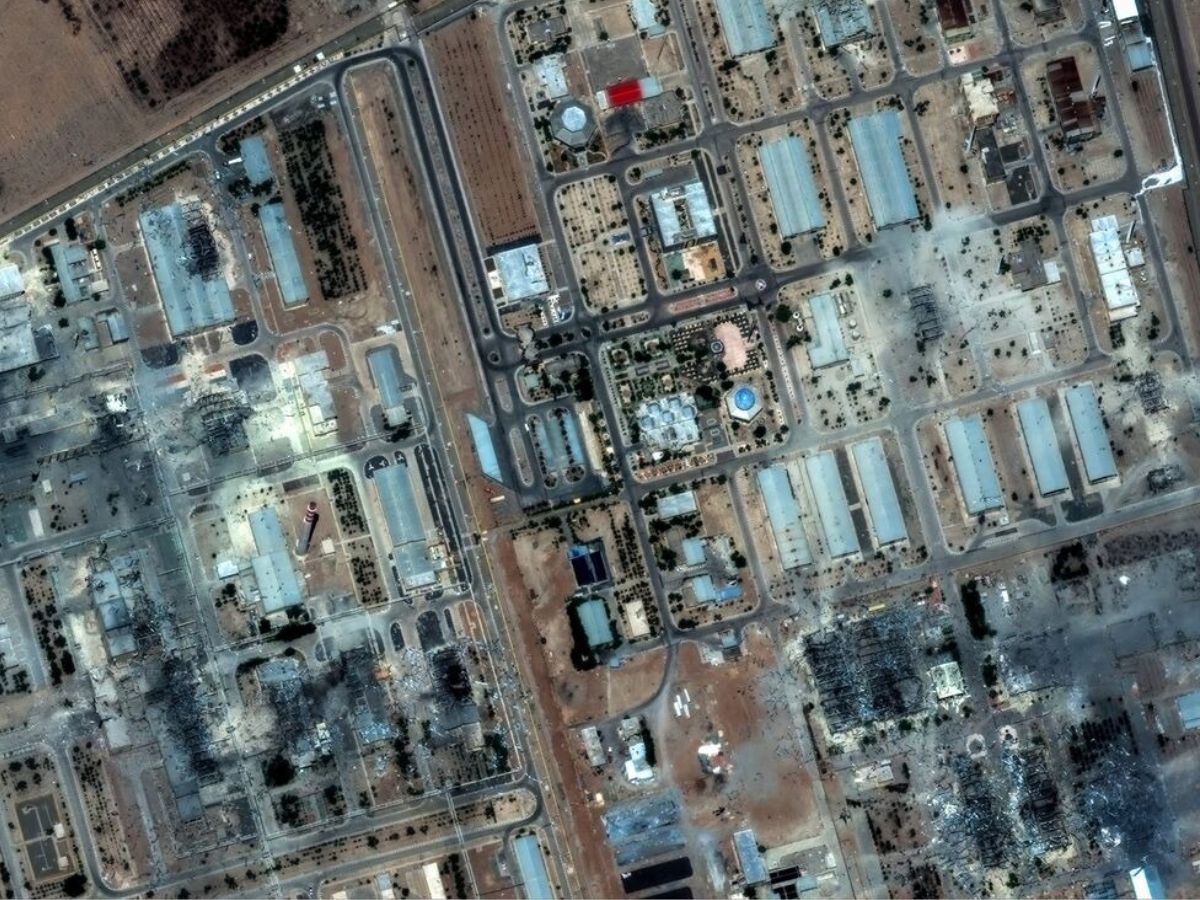
Iran has been developing its nuclear program for years, but it does not yet have a working nuclear bomb. (Photo: Bloomberg)
After weeks of warning of military action, US President Donald Trump ordered airstrikes on Iran on February 28. The United States, along with Israel, targeted multiple sites in Iran as part of efforts to pressure Tehran over its nuclear program. According to reports, Iran has faced suspicion over its nuclear ambitions but it is unclear whether they have developed the capability to fire an atomic weapon.
Iran began developing nuclear energy decades ago, establishing both civilian and enrichment facilities over time. It has consistently insisted that its nuclear program is meant for peaceful energy purposes. For many years, Iran enriched uranium under international scrutiny. In 2002, inspections revealed previously undisclosed enrichment sites, meaning that Iran was hiding the scale of their nuclear development.
Iran first agreed to limit its nuclear activities in 2015 in exchange for sanctions relief. However, in his first term in 2018, President Trump unilaterally withdrew the United States from the agreement. During his second term, the Trump administration attempted to negotiate a new deal, but then conducted airstrikes targeting Iran’s nuclear facilities. Talks between the US and Iran resumed this year, but Trump ordered airstrikes again, just days before the next scheduled round of negotiations.
Reports from the International Atomic Energy Agency (IAEA), the United Nations nuclear watchdog, are the real reason behind US airstrikes on Iran. IAEA inspectors noted that Iran was carrying out regular but unexplained activity at the uranium-enrichment sites targeted in June last year.
The last time inspectors accessed Iran’s uranium reserves, they found that the country had accumulated 441 kilograms of uranium enriched to 60%. This represents more than a 50% increase since February 2025. If this uranium were processed further, it could provide enough material to produce around a dozen nuclear bombs.
Although Trump said that Iran’s nuclear program was destroyed by the US strikes last year, there was consensus among experts that the country retained key capabilities. Even if Iran has enriched uranium, it isn’t enough to make a nuclear bomb. Upgrading to weapons-grade uranium of 90% enrichment is easy and could be done in a few weeks or months with enough centrifuges.
However, to actually make a bomb, Iran would need to replace the facilities destroyed in the June strikes at Isfahan. Reports say this site was also hit in the February attack, which sets back Iran’s progress.
Iran has been developing its nuclear program for years, but it does not yet have a working nuclear bomb. Recent airstrikes by the US and Israel have set back its progress, though Iran still has the ability to enrich uranium. The situation remains tense and closely watched.
