
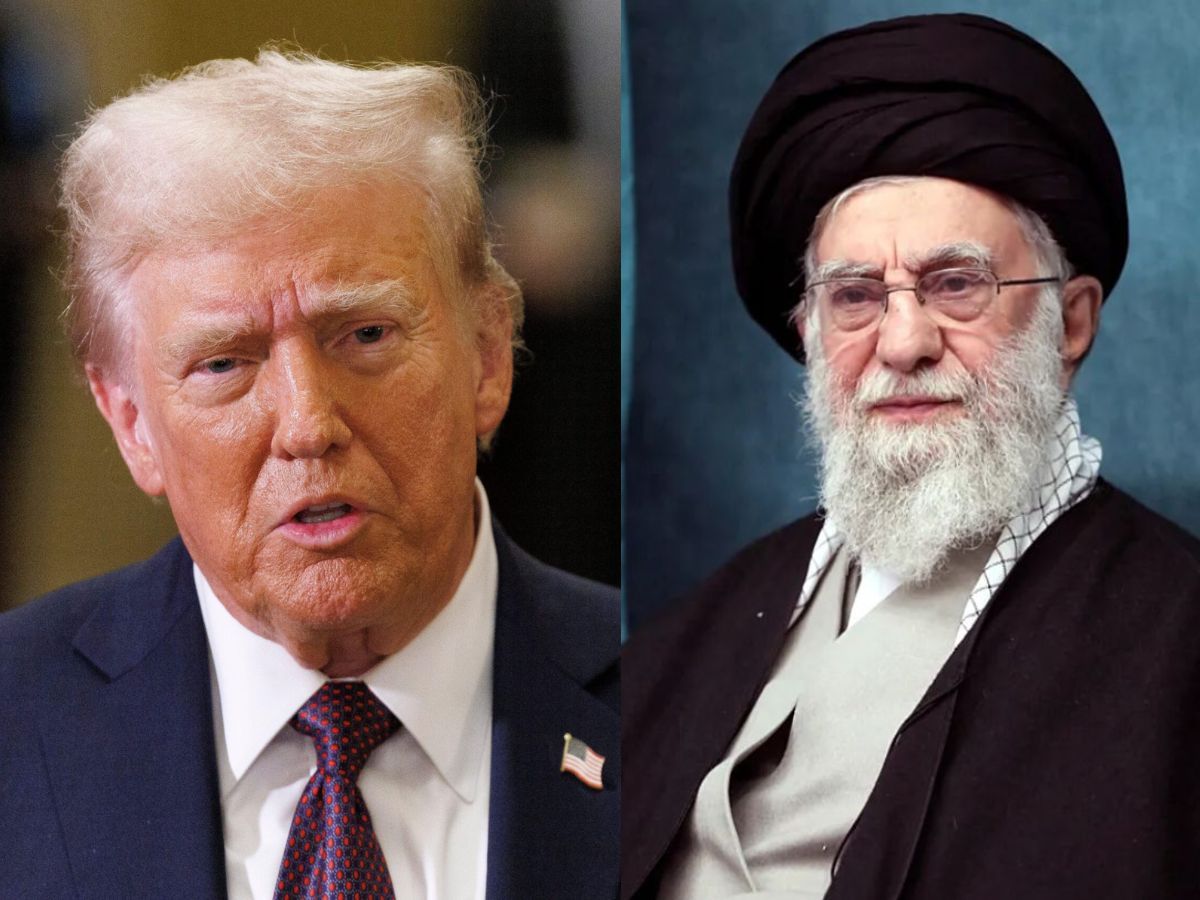
Iran–US Nuclear Talks Update: Iran and the United States remain divided over how and when sanctions on Tehran should be lifted in return for limits on Iran’s nuclear programme. A senior Iranian official told Reuters on Sunday that while negotiations are continuing, major differences still exist on the scope and mechanism of sanctions relief. Despite this, both sides are preparing for another round of talks planned for early March, keeping the door open for diplomacy.
Iran Signals Willingness for Nuclear Compromises, With Conditions
As talks move forward, Iran has indicated it could consider several steps to address international concerns. According to the senior official, Tehran may agree to export part of its highly enriched uranium (HEU) stockpile, dilute the purity of remaining HEU, and even support a regional consortium for uranium enrichment. However, these steps would come with a key condition: Iran’s right to “peaceful nuclear enrichment” must be formally recognised.
Linking these proposals to ongoing discussions, the official said, “The negotiations continue and the possibility of reaching an interim agreement exists,” suggesting that a temporary deal could be reached if both sides show flexibility.
Iran–US Nuclear Talks Update: Abbas Araqchi Prepares Counterproposal as Tensions Rise
While technical talks continue, political tensions have risen sharply. Iran’s Foreign Minister Abbas Araqchi said on Friday that he expects to prepare a draft counterproposal within days, following recent nuclear discussions with the United States. At the same time, comments from Washington have added uncertainty to the process.
US President Donald Trump has said he is considering limited military strikes to pressure Iran into signing a new deal. This dual-track approach talks paired with military threats—has raised concerns among analysts about the future of negotiations.
US Military Pressure and Risk of Escalation in the Middle East
Building on Trump’s warnings, the Pentagon has significantly increased its military presence in the region. The deployment includes two aircraft carriers, fighter jets, and refuelling planes, giving the US the capability to carry out limited or extended operations against Iran if ordered.
However, experts caution that using force during negotiations could backfire. A senior regional official said Iran would likely suspend talks if the US launched a strike. Barbara Slavin of the Stimson Center warned, “He’s not going to get a diplomatic agreement out of the Iranians if he attacks them again,” adding that even threats alone could reduce Tehran’s willingness to compromise.
Conflicting US Demands Add to Diplomatic Confusion
Another challenge is the lack of clarity over what Washington wants from a new agreement. Trump has issued deadlines of 10 to 15 days, but officials have sent mixed signals about whether the goal is a limited nuclear deal or a broader agreement covering missiles and regional activities.
Speaking on Fox News, US Middle East envoy Steve Witkoff said “zero enrichment” is non-negotiable and insisted that enriched material must be returned. He warned that Iran is “probably a week away from having industrial-grade bomb-making material,” calling the situation “really dangerous.”
Iran Pushes Back on Broader Deal, Focuses on Nuclear Issues
In response, Iranian officials have rejected attempts to expand the talks beyond nuclear matters. While US Secretary of State Marco Rubio has argued that missile development, support for regional militant groups, and human rights issues should be included, Tehran has resisted a wider framework.
According to Iran’s semi-official Students’ News Agency, the indirect talks are currently focused on technical aspects of the nuclear programme, such as the number, level, and location of centrifuges. US officials, the report said, have accepted Iran’s red line of continuing uranium enrichment.
Iran–US Nuclear Talks Update: Israel’s Role and Regional Security Concerns
The regional backdrop further complicates the situation. Israeli Prime Minister Benjamin Netanyahu has long urged tougher action against Iran and recently visited Washington to push for stricter demands in ongoing talks. Israel and the US previously struck Iranian nuclear sites and air defences, raising fears that renewed strikes could provoke retaliation.
Experts warn that Iran could respond by targeting US bases with ballistic missiles or activating regional proxies, pulling Washington into a wider and longer conflict.
Iran–US Nuclear Talks Update: Neither Side Wants War, but Risks Remain High
Despite the aggressive rhetoric, analysts say neither Washington nor Tehran truly wants a war. Dennis Ross, a former US Middle East envoy, said Iran is trying to buy time with symbolic concessions, while Trump is signalling that the regime would “pay a price it hasn’t before.” Still, Ross noted, “Neither side wants a war.”
As negotiations continue into March, the future of Iran–US relations hangs in the balance caught between cautious diplomacy, military posturing, and the high risk of miscalculation in an already volatile region.