Iran-Israel-US Conflict War Tension: Tensions in the Middle East are causing flight delays and suspensions at Doha's Hamad International Airport. Verify travel advisories, cancellations, and airspace closures.
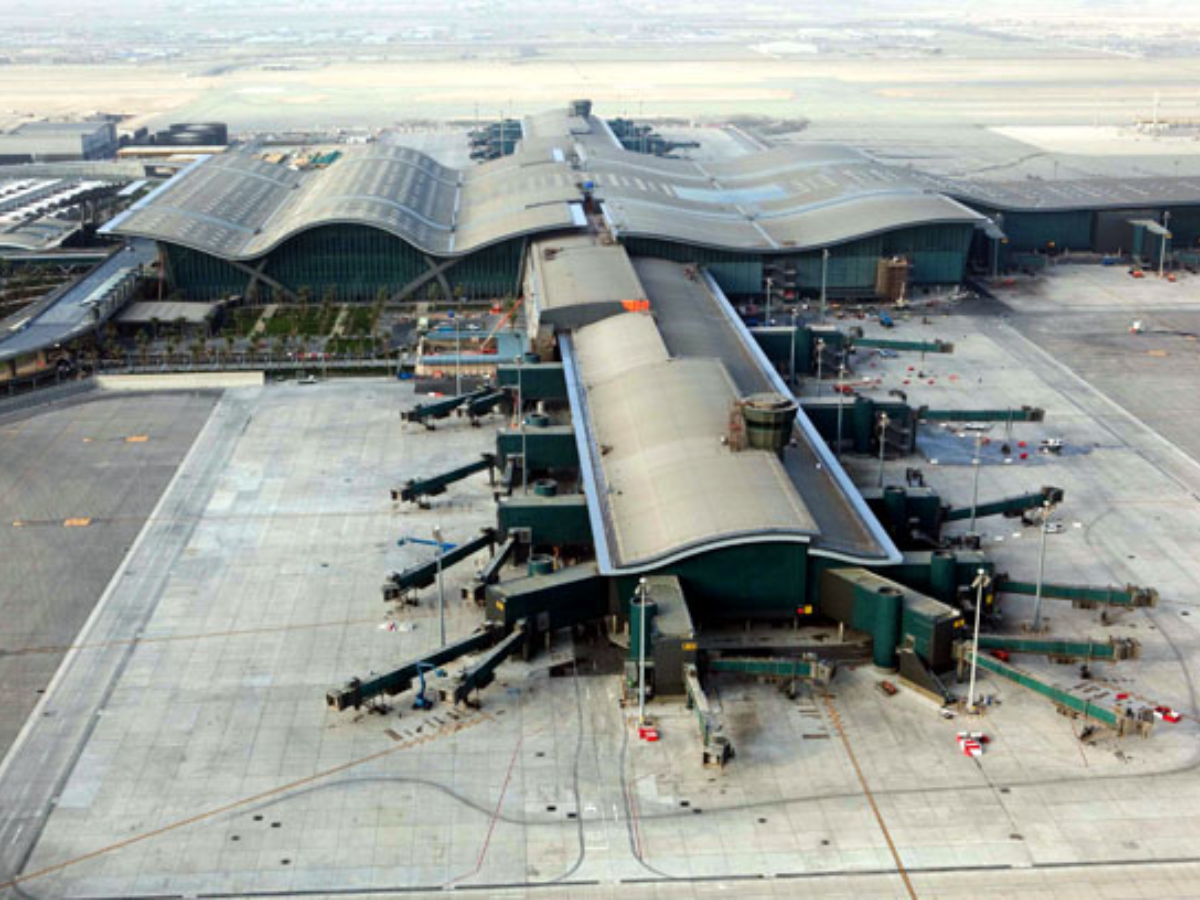
Doha Hamad International Airport, HIA, Qatar, Middle East, Doha HIA Open or Closed, Flight Cancellations, Airspace Closures, Safety Advisories, Flight Diversions
Iran-Israel-US Conflict War Tension: As tensions over the Iran-Israel-US conflict have increased, air travel throughout the Middle East has been disrupted. To protect civilian safety, a number of Gulf countries have implemented preventative measures, such as short-term airspace restrictions. These changes have a direct impact on Doha's Hamad International Airport (HIA), a significant international transit hub.
Now, travellers who are supposed to pass through Qatar want to know if flights are running smoothly. Airlines continue to modify their schedules in response to official aviation advisories, so the situation is still unstable. This is a concise and thorough description of what is taking place, and whattravellerss can anticipate.
Following the announcement of precautionary airspace closures by Qatari authorities, operations at Hamad International Airport have been temporarily suspended or severely restricted.
The closure is a safety precaution in light of increased military tensions in the area, not because of damage to the airport itself. Commercial aircraft cannot safely arrive or depart when the national airspace is restricted, which puts an end to operations.
Before arriving at the airport, passengers are strongly encouraged to check directly with their airlines.
Due to the airspace restrictions:
Qatar’s airspace closure is part of a broader regional response to escalating military activity. When governments close airspace, it means civilian aircraft are not permitted to operate within national air corridors due to potential security risks.
Airlines, including Qatar’s national carrier, have paused operations until aviation authorities declare the skies safe. Flight status may change rapidly depending on security assessments.
Passengers should:
Monitor airline websites and official airport channels
Avoid relying solely on social media updates
Confirm rebooking or refund options directly with their carrier
In spite of regional instability brought on by military strikes and retaliatory threats in the Middle East, the suspension is a precautionary security measure.
Qatar's airspace is strategically sensitive due to its location, even though it is not directly involved in the conflict. Countries frequently close airspace during phases of military escalation to shield civilian aircraft from unanticipated risks like missile activity or military operations.
The short-term duration of the measure and its goal of ensuring passenger safety are emphasised by the authorities.
Travellers are advised to:
Officials have reassured the public that internal security in Qatar remains stable and that the airport closure is strictly aviation-related.
Operations will resume once aviation authorities determine that the regional airspace is safe for civilian traffic. However:
Passengers should prepare for gradual normalisation rather than an immediate return to full operations.
The situation at Doha reflects a wider regional aviation crisis, with several Middle Eastern airports experiencing closures, rerouting, and cancellations.
Because Gulf hubs act as major global connectors, disruptions are affecting international travel routes worldwide. Airlines are continuously adjusting flight paths and schedules in response to evolving security developments.
Travellers are encouraged to remain flexible, patient, and informed as the situation develops.
