Despite tensions in the Middle East, King Khalid International Airport in Riyadh is still open. Verify travel advisories, airspace updates, flight delays, and cancellations at RUH.
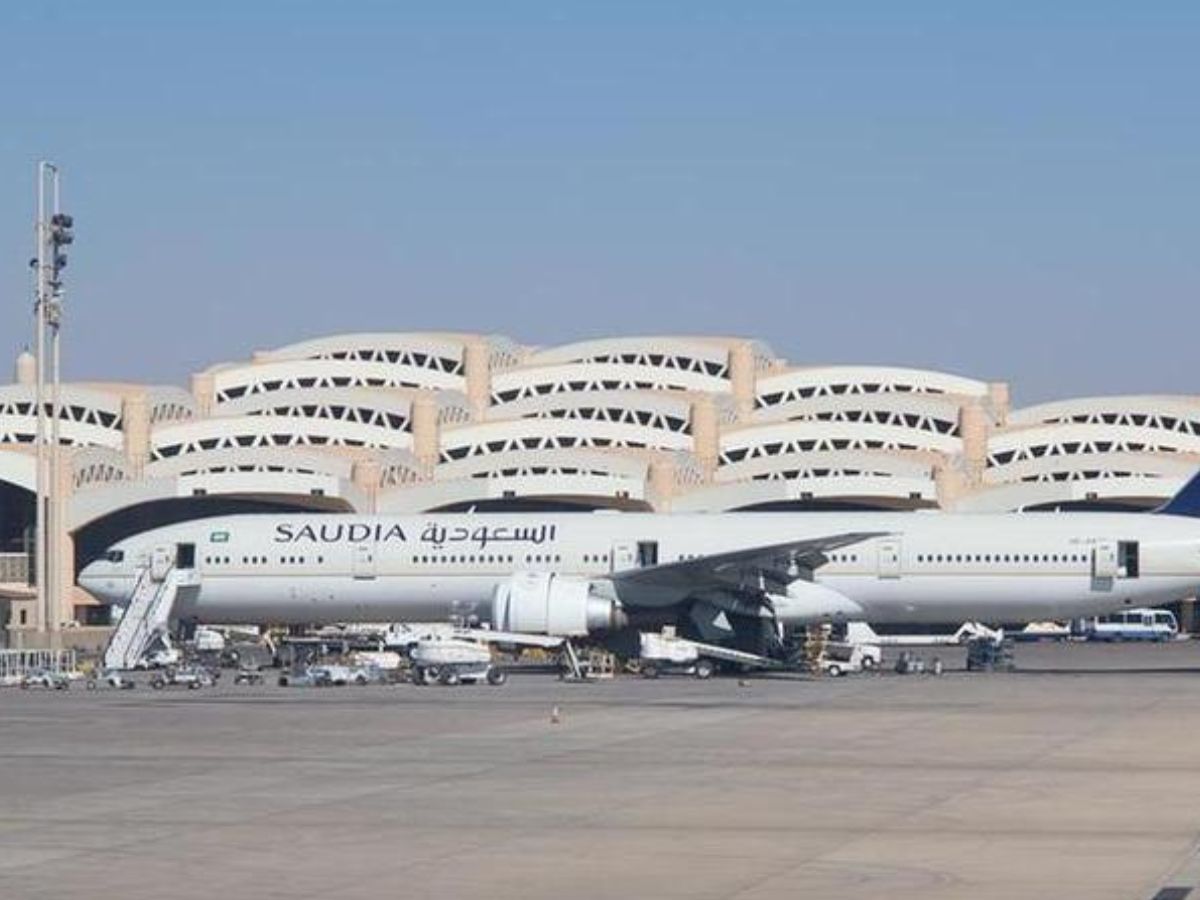
Riyadh’s King Khalid International Airport remains open amid Middle East tensions. Check RUH flight delays, cancellations, airspace updates and travel advisories.
Iran-Israel-US Conflict War Tension: Due to widespread airspace closures and aviation restrictions following recent strikes involving the United States, Israel, and Iran, air travel throughout the Middle East has been severely disrupted. Several countries, including Qatar, the UAE and other Gulf states, shut their skies as a precaution, causing thousands of cancellations and delays across the region.
Global airline schedules were impacted by the temporary suspension or severe restrictions placed on major aviation hubs such as Dubai, Abu Dhabi, and Doha. These changes have also affected King Khalid International Airport (RUH) in Riyadh, though it hasn't completely stopped operating.
King Khalid International Airport is still open, but because of regional airspace disruptions, flights are being handled carefully. Although RUH has not been fully suspended like some Gulf airports were, some flights may be postponed, rerouted, or cancelled in response to changing airspace advisories and airline decisions regarding safety.
Although they haven't declared a complete shutdown, Saudi aviation authorities still advise travellers to check flight information with their airlines before leaving for the airport.
The broader Middle East airspace crisis has already led to cancellations and diversions that affect travel through RUH:
Because Riyadh is often used as a connecting or alternate hub during reroutes, it has seen diverted aircraft and increased air traffic pressure, which can affect on-time performance.
The regional military escalation that followed significant strikes by the US, Israel, and Iran is the cause of the airspace issues. Hence:
Passengers are advised by international aviation authorities, such as airlines and civil aviation regulators, to keep an eye on official updates and regularly check for changing flight statuses.
The strategic and preventative changes at RUH are intended to safeguard passenger safety in the face of growing regional instability. Despite Saudi Arabia's lack of direct involvement in military conflicts, airlines must carefully plan flight routes to avoid potentially dangerous corridors due to nearby airspace closures and flight restrictions.
This defensive strategy is consistent with international aviation practice, which requires airlines to select safer routes, combine schedules, or temporarily stop operations in impacted areas when airspace close to conflict zones is restricted.
Passengers travelling through Riyadh are advised to:
Saudi officials have stressed that the adjustments are aviation safety measures only and that internal security within the kingdom remains stable.
For the most up-to-date information on departures, arrivals, rebooking, and refunds, travellers impacted by flight delays or cancellations at King Khalid International Airport (RUH) in Riyadh are encouraged to get in touch with airport officials or their individual airlines.
Passengers can also check live flight updates on the official Riyadh Airports website before heading to the airport.
For passengers travelling with other international carriers, it is recommended to check the airline’s official website or local office numbers for updated flight status and support options.
As conditions are reassessed and security risks evolve:
Travellers should prepare for a gradual restoration of services rather than an immediate return to full operations and remain flexible with their travel plans.
The aviation crisis in the Middle East, where several skies have been closed or restricted due to conflict escalation, is reflected in the disruptions at Riyadh. Thousands of travellers have been left stranded or rerouted across major hubs as a result of hundreds of flights being cancelled or delayed.
International flight routes between Europe, Asia, Africa, and the Americas are impacted by airspace closures that go beyond the Gulf. Major Gulf airports serve as global hubs, so even partial closures affect aviation operations all over the world.
