
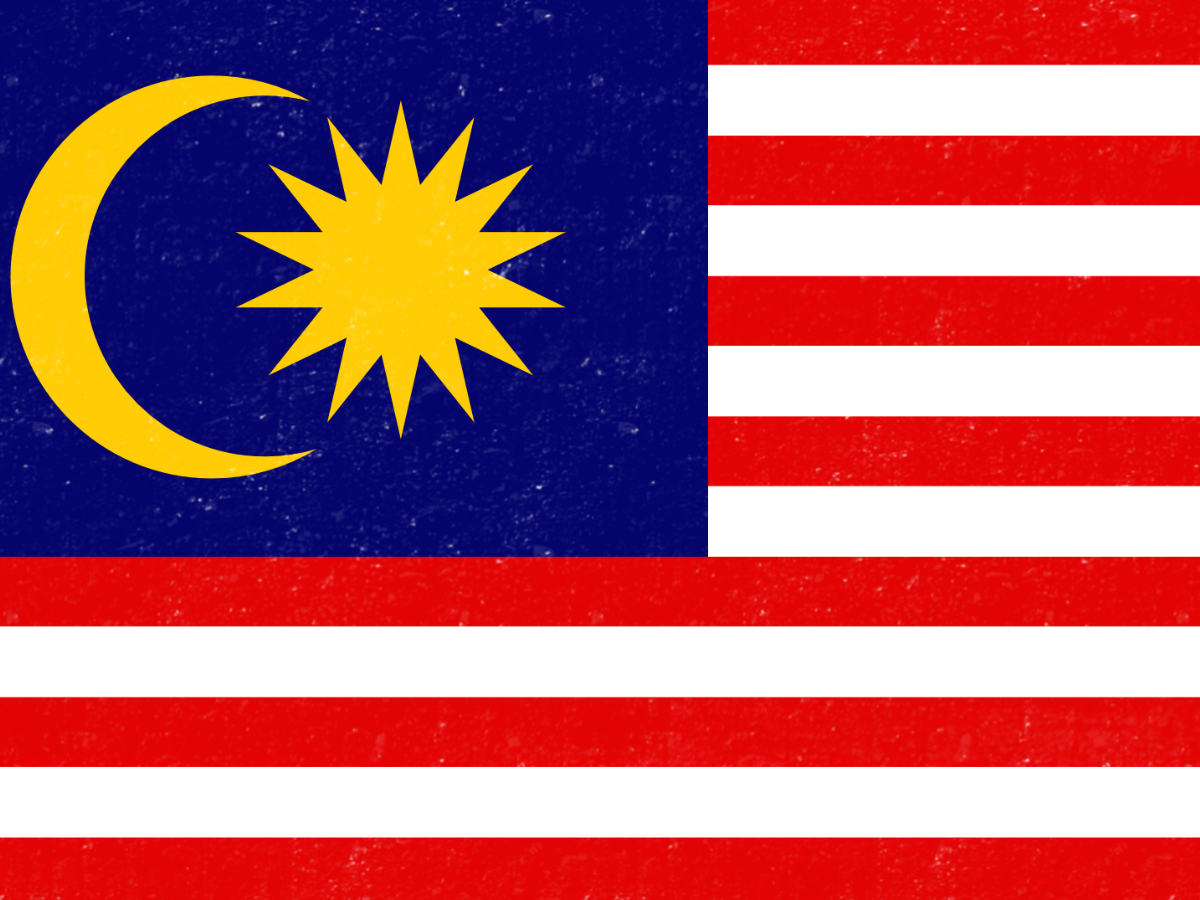
The government of Malaysia operates through a unique system that combines a constitutional monarchy with its current governing structure.
Who Is the Head of State in Malaysia?
The Yang di-Pertuan Agong serves as Malaysia’s head of state, whom people commonly call the King of Malaysia. Malaysia’s king ascends to the throne through an election process rather than through royal birthright, which most monarchies follow. The royal position changes every five years among the nine royal families who govern through the Malay states.
Who Runs the Government?
The ceremonial monarchy position belongs to the king, while the Prime Minister controls all governmental operations. The prime minister leads the political party or coalition that has the most seats in Parliament to manage government operations.
How Is Malaysia Governed?
Malaysia operates under a parliamentary democracy, which functions within its constitutional monarchy system. The government consists of three primary divisions:
- Executive: The Prime Minister and Cabinet lead this division.
- Legislative: The Parliament operates through two chambers, which include Dewan Rakyat and Dewan Negara.
- Judicial: The court system operates as a separate entity from other government branches.
The king assigns the prime minister position to a candidate who then reviews and approves laws that Parliament passes before completing ceremonial responsibilities.
Why Malaysia Doesn’t Have a President
Presidents serve as the chief executive officers who represent the nation in countries that follow republican governance systems. Malaysia maintained its traditional monarchy system, which combines royal heritage with democratic governance, after gaining independence in 1957.
The country functions as a constitutional monarchy, which prevents Malaysia from establishing a presidential system. The country operates through an elected parliament and prime minister, while the king serves as head of state through his rotating position.




