Muscat International Airport (MCT) faces flight disruptions amid Middle East airspace closures. Check Muscat flight status, cancellations, delays and travel advisories.
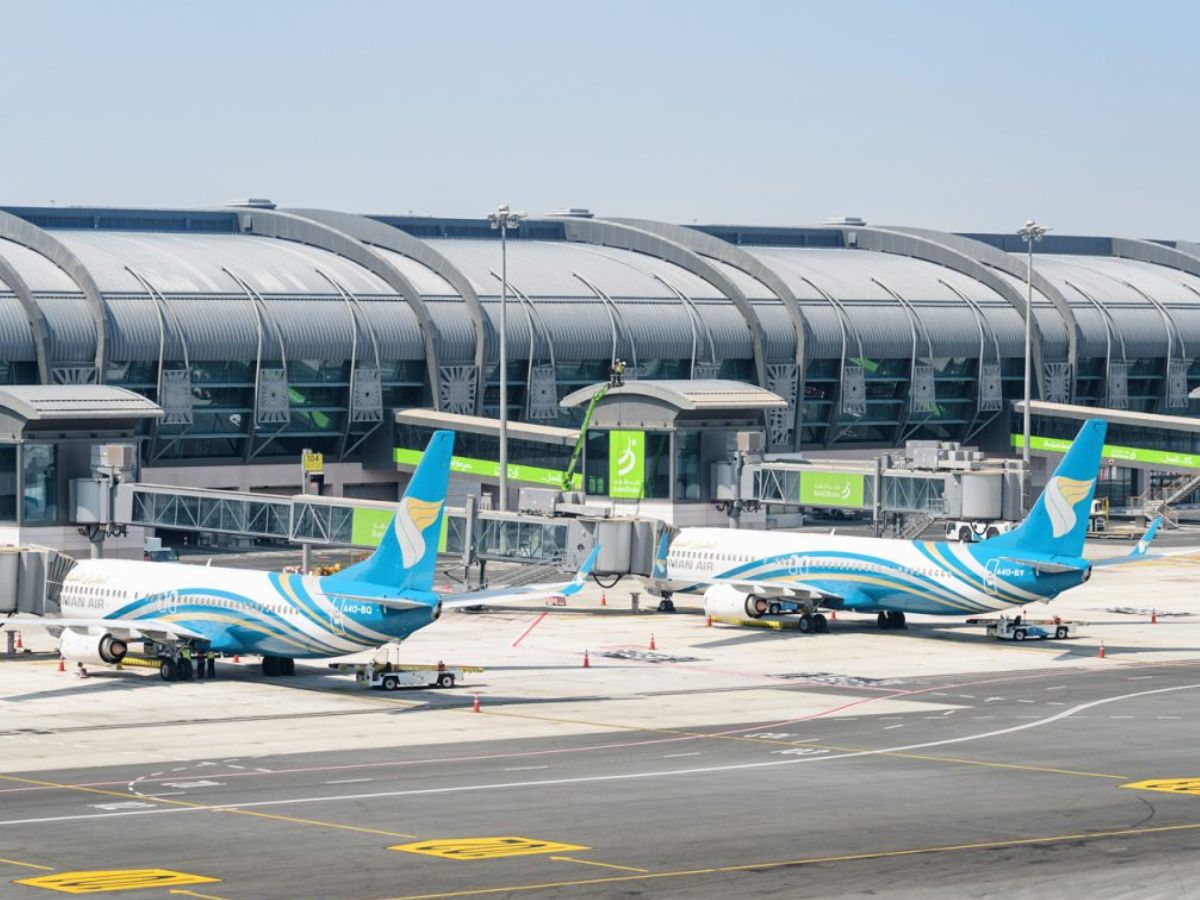
Muscat International Airport (MCT) faces flight disruptions amid Middle East airspace closures [Photo: X]
Air travel across the Middle East has been heavily disrupted after recent military strikes involving the United States, Israel and Iran triggered widespread airspace closures and aviation restrictions. Several Gulf countries, including Qatar, the UAE, Kuwait and Iraq, have temporarily suspended or restricted flights as precautionary safety measures.
These closures have led to thousands of cancellations and significant delays affecting global airline schedules. The disruption has extended to Muscat International Airport (MCT) in Oman, which has seen reduced operations and flight adjustments.
Muscat International Airport has faced partial operational restrictions. While there has not been an official declaration of a complete shutdown, airlines and aviation sources indicate that MCT has temporarily limited flights, with some services cancelled or rerouted due to regional airspace restrictions linked to the wider Middle East crisis.
Official civil aviation authorities in Oman urge passengers to check with their airlines for up-to-date flight information before travelling to the airport. In many cases, flights are being operated selectively, depending on safety assessments and airspace availability.
Because neighbouring countries have imposed airspace restrictions, regional carriers have adjusted routes affecting Muscat:
This has created a ripple effect for passengers connecting through MCT, particularly those flying between Europe, Asia and other Middle Eastern hubs.
The current flight status at MCT reflects ongoing regional aviation caution:
Passengers should consult official airport announcements and airline websites for the most current flight status.
Adjustments at Muscat International Airport are precautionary and linked to broader regional instability, not specific threats at the airport itself. Airspace near conflict zones can pose risks to civilian traffic, prompting authorities to reroute, delay or cancel flights to maintain safety.
Even if Oman is not directly involved in the conflict, closures of neighbouring skies necessitate changes in flight paths and schedules. Carriers may avoid certain corridors or adjust fuel loads and routing to ensure operational safety, which can lead to cancellations, delays and reroutes.
Passengers travelling through Muscat are advised to:
Travellers affected by disruptions at MCT should contact the airport and airlines for real-time assistance:
Passengers are advised to rely on official communications from MCT and their airlines for flight changes instead of third-party sources.
As regional airspace conditions are reassessed:
The situation at Muscat is part of a wider aviation disruption across the Middle East, with major hubs such as Dubai, Abu Dhabi, Doha and others experiencing airspace restrictions or closures. Tens of thousands of flights were cancelled or rerouted after the recent escalation, affecting airlines worldwide and leaving many passengers stranded.
Airspace closures in multiple countries have disrupted international flight paths and forced carriers to find alternate routes, sometimes significantly increasing travel times and operational complexity.
