Israel-Iran Tension: Trump’s 2013 Iran warning resurfaces as US-Israel strikes ignite fresh debate over diplomacy, deterrence and rising civilian tolls.
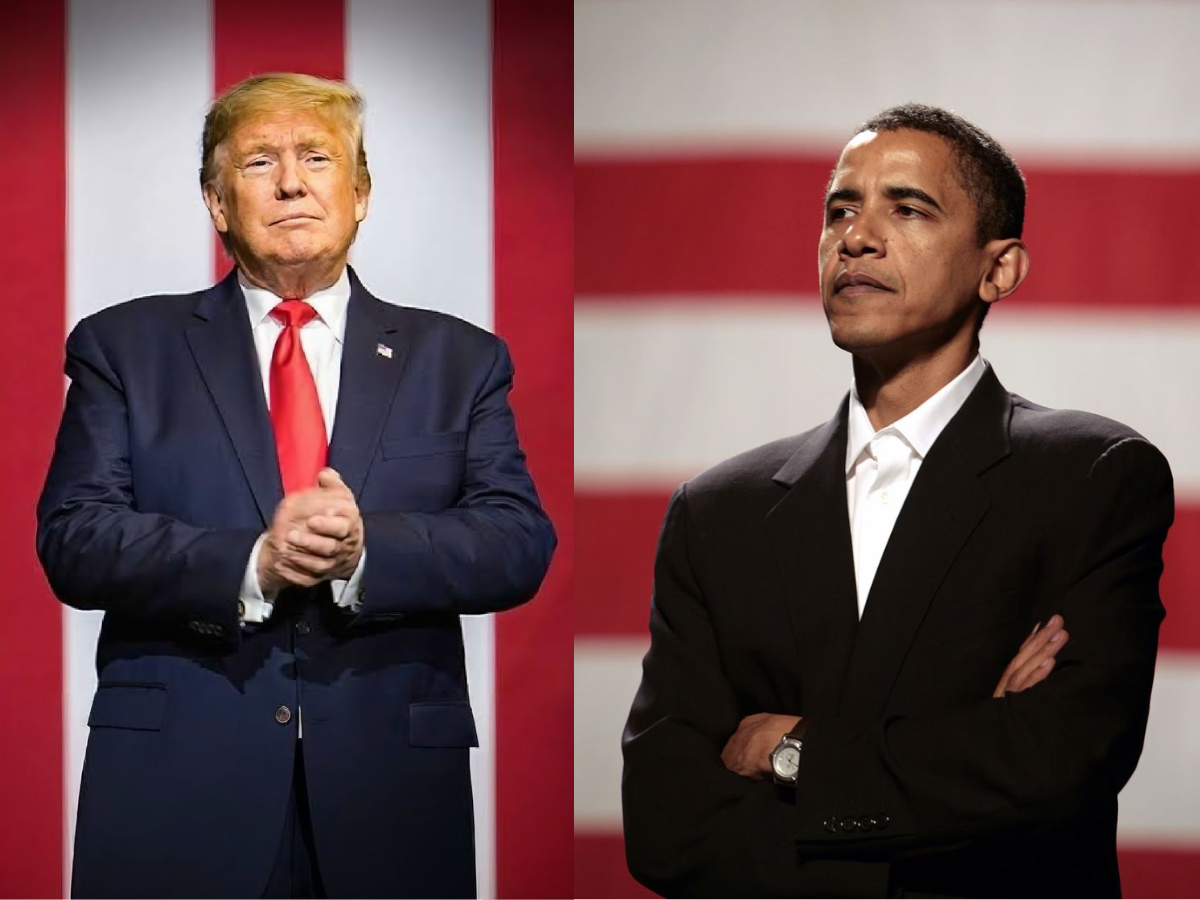
Donald Trump and Barack Obama seen during a past White House transition meeting, a moment that contrasts sharply with today’s renewed Iran debate (Photo: X)
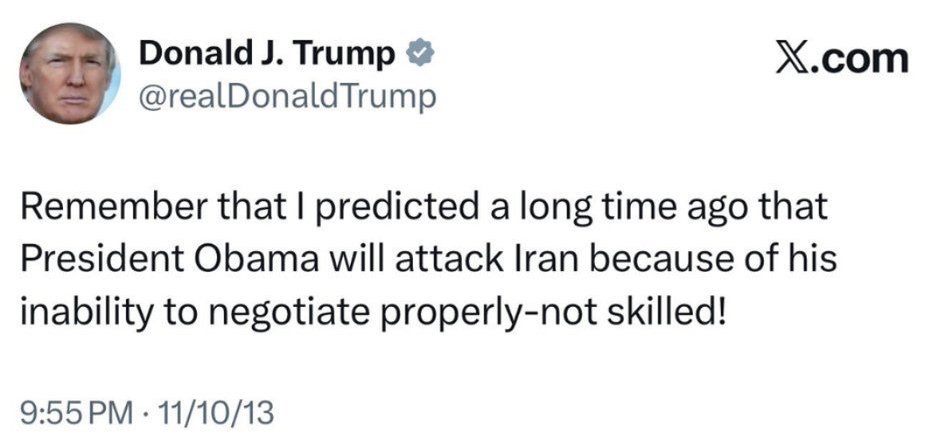
Israel-Iran Tension: One of the most contentious posts by Donald Trump on social media was posted ten years ago and has resurfaced at a tense time. He forecasted in 2013 that Barack Obama would attack Iran due to diplomatic frailty. That is the statement that is in a new outbreak today following U.S and Israeli coordinated attacks on the Iranian sites. The new interest is created in the light of the fact that the Middle East is experiencing one of the most intense military buildups in the last few years. Headlines are once again being made of missiles, air defenses and political rhetoric as civilians around the region are bracing against uncertainty.
The reemerged post made Obama appear to have no negotiating prowess and suggested that war would be the next step. During that time, the nuclear diplomacy was frozen. However, in two years, the negotiations between Iran and world powers led to the 2015 nuclear deal. The history took another twist in 2018 when Trump pulled the United States out of such a deal. The critics and supporters are now going back to his previous statements and posing the question of whether political communication has crashed into the reality of our day.
The discussion is not only partisan. It raises a bigger question of whether diplomacy or deterrence is more useful in reducing the nuclear ambitions of Iran. Under the second term of Obama, a multilateral negotiation between six world powers stalled significant components of the Iranian program in a deal that would see the lifting of sanctions. The international monitors have claimed that there has been an increase in the level of enrichment, since Washington pulled out of the agreement. The present strikes have revived debates on whether the abandonment of diplomacy had reduced the road to stability to a smaller size.
The current deployment is the largest U.S aerial concentration in the area since 2003 according to the defense officials. There are hundreds of planes, state of the art stealth fighters, refueling aircraft, as well as over a dozen navy ships. Strike groups of the USS Abraham Lincoln and the USS Gerald R. Ford have strengthened the posture. Military planners indicate that the escalation is to be deterred by the buildup. The opponents caution that this kind of scale is just as much an indicator of getting ready to go deeper.
Satellite shots reveal trucks with soil dumping over the entrance of tunnels and strengthening underground amenities. The analysts think the work is done to make the sites more resistant to the bunker-buster bombs. This is done by piling up earth and concrete, which makes Iran seem to be making aerial penetration more difficult. The strategy indicates the experience of the previous attacks and increasing anxiety of the new ones.
The US and Israeli leaders insist that they are targeting the military. However, accounts of those affected talk of civilian deaths, destruction of residential areas and schools. Officials in the area allege that dozens of civilians lost their lives during some attacks. These losses make claims of accuracy difficult and opinions of the people of the region incite.
Journalists working on the ground have warned that the civilian casualty would compromise the mentioned goals of the campaign. Should the story change to a strategic deterrence to humanitarian crisis, diplomatic blowback can escalate. As experts of international law observe, rather minimal civilian deaths may become a catalyst to investigations and diplomatic reaction.
The Iranian officials confirmed that the Supreme Leader Ali Khamenei was relocated into a safe place soon after the attacks. His destination is not disclosed. The movement highlights the anxieties that leaders might be immediate victims in case the antagonisms spread.
1. What sparked the latest escalation?
Coordinated U.S. and Israeli strikes on Iranian military and government facilities.
2. Has Iran retaliated?
Yes, missile fire reportedly targeted Israeli areas and U.S. installations in the Gulf.
3. Are nuclear talks still possible?
Diplomatic channels remain open, but active conflict complicates negotiations.
4. How large is the U.S. military presence?
Hundreds of aircraft and over a dozen naval vessels are deployed.
5. What is the regional risk?
Further escalation could draw in additional actors and disrupt global energy markets.
