US uses AI tools to analyse battlefield data during Iran strikes as over 2,000 targets are hit. Explosions in Bandar Abbas and new threats escalate Middle East tensions.
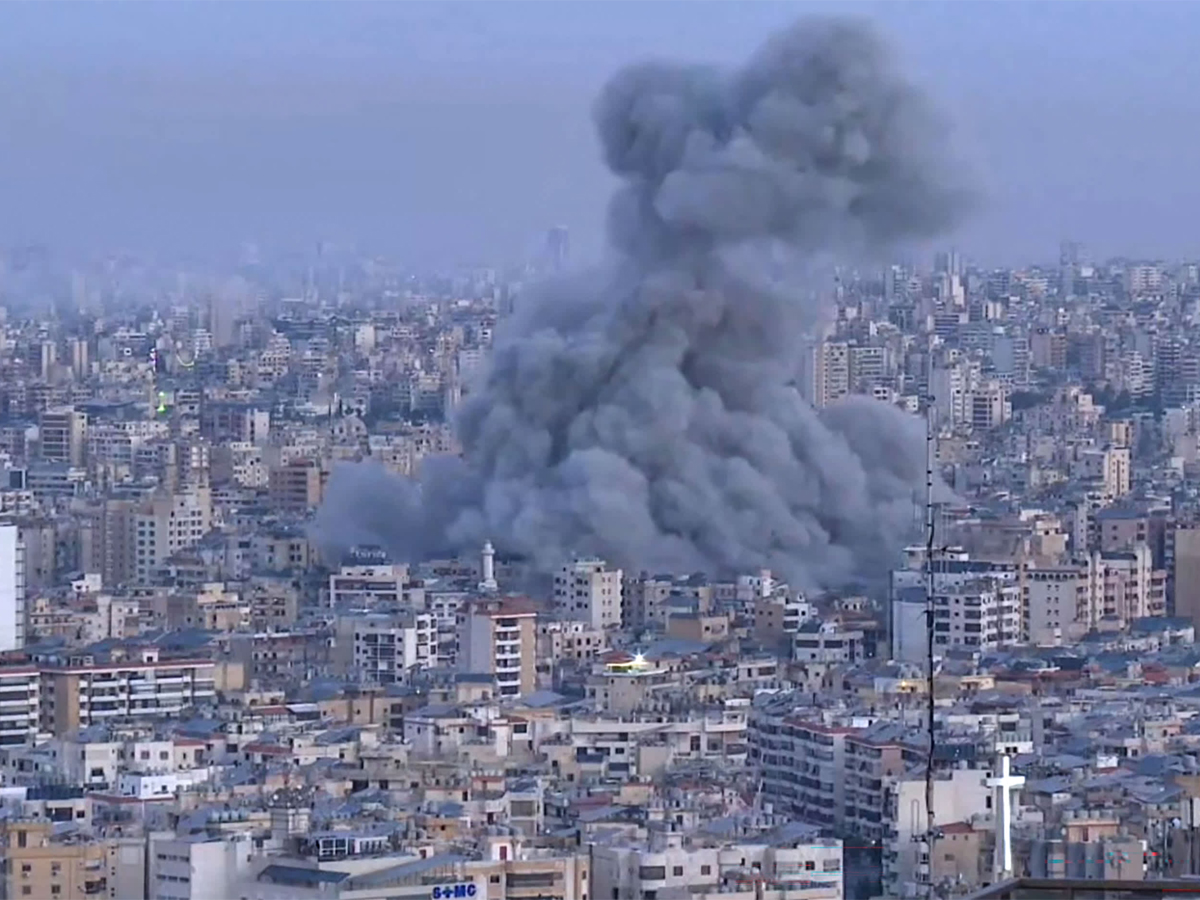
The use of AI marks a significant shift in modern warfare, where rapid data processing has become essential in large-scale military operations. (Photo: AP)
The United States military has begun using artificial intelligence systems to process large volumes of battlefield data as its military campaign against Iran intensifies. Officials say the technology is helping commanders and analysts quickly identify threats and targets, allowing faster decisions during the ongoing conflict.
According to US Central Command, the scale of the operation has already reached historic levels. American forces have carried out strikes across Iran since the campaign began last week, hitting military facilities, missile sites, and command infrastructure.
Central Command chief Admiral Brad Cooper highlighted the intensity of the operation while speaking about the early stages of the campaign. “We’ve already struck nearly 2,000 targets with more than 2,000 munitions. We have severely degraded Iran’s air defenses and destroyed hundreds of Iran’s ballistic missiles, launchers, and drones.”
Military officials said artificial intelligence tools help filter and analyse operational data gathered from satellites, drones, and surveillance systems. The technology allows analysts to focus on confirming targets and evaluating threats instead of manually sorting massive streams of information.
The use of AI marks a significant shift in modern warfare, where rapid data processing has become essential in large-scale military operations.
US forces have conducted a wide range of strikes across Iran as part of the ongoing operation. Military infrastructure, missile launch facilities, and naval assets have been among the main targets.
“The first 24 hours of this operation were nearly double the scale of the first day of shock-and-awe strikes on Iraq in 2003, “and we continue with 24/7 strikes into Iran.”
Officials say more than 50,000 American troops, hundreds of fighter jets, and multiple naval assets are supporting the operation across the region. The large-scale deployment represents one of the biggest US military buildups in the Middle East in decades.
The strikes aim to weaken Iran’s ability to launch missiles and drones at US forces and allied countries in the region.
As the conflict continues, reports of explosions have emerged from southern Iran. Multiple blasts were heard in the port city of Bandar Abbas on Thursday, according to regional media reports.
The explosions reportedly occurred near Bandar-e Bahonar, an area associated with the First Naval Zone of Iran’s Islamic Revolutionary Guard Corps. The port lies close to the strategically important Strait of Hormuz, a key shipping route for global oil supplies.
Authorities have not confirmed the cause of the blasts, and the full extent of the damage remains unclear. However, the incident has raised concerns about possible attacks on military infrastructure near the vital waterway.
The wider Middle East region remains on high alert as the conflict spreads beyond Iran’s borders. Saudi Arabia’s Ministry of Defense said its air defense systems intercepted another drone near the Al Jowf region in the north of the country.
Earlier, Saudi officials reported shooting down three drones east of Al-Kharj Governorate. The interceptions come as several countries in the region strengthen their defenses amid fears of escalating retaliation.
Military analysts warn that drone and missile attacks could target US bases or allied infrastructure across the Gulf region.
Meanwhile, tensions between Iran and Israel have escalated sharply. Iranian officials warned that the country could target Israel’s Dimona nuclear facility if the US and Israel attempt to topple the Iranian government.
The warning came after Israeli Defence Minister Israel Katz suggested that any new leader installed by Iran’s regime could become a legitimate target.
Iran also reported a fresh wave of overnight strikes beginning around midnight. Residents in eastern Tehran said they heard loud explosions and felt strong shockwaves across parts of the capital.
Strikes were also reported in Kurdish cities, including Sanandaj, Saqqez, and Bukan. Iranian authorities claim that more than 150 cities across the country have been attacked since the conflict escalated.
Meanwhile, the Islamic Revolutionary Guard Corps said it has launched a 19th wave of retaliatory attacks targeting Israel and US military bases in the region.
With both sides escalating their operations and new technologies entering the battlefield, analysts warn that the conflict could reshape the future of modern warfare in the Middle East.
