The US and Israel launched coordinated strikes on Iran, named “Epic Fury” and “Roar of the Lion,” while Iran retaliated with “True Promise 4,” signaling an escalating military conflict.
Operation Roar of the Lion and Epic Fury Inside the Iran-Israel Strikes (File Photo)
Israel vs Iran War Latest News: From Roar of the Lion to Epic Fury and True Promise 4, the recent military strikes by the United States and Israel on Iranian territory—and Iran’s subsequent retaliation—have grabbed headlines not only for the actions themselves but also for the symbolic messages behind the operation names. Each designation conveys a strategic narrative intended to signal strength, deterrence, and intent in this escalating conflict.
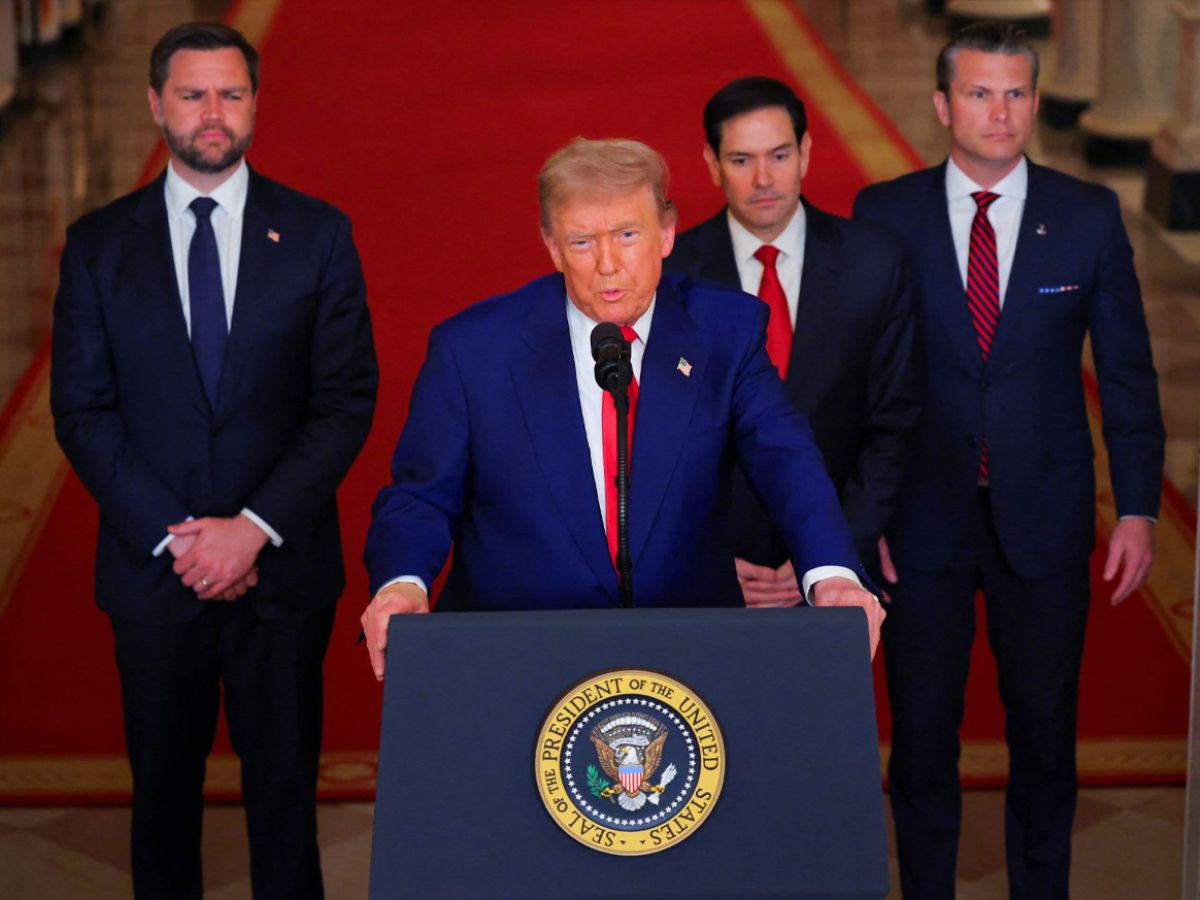
The attacks followed US President Donald Trump’s criticism of Iran’s nuclear and missile policies. Trump said the goal of Washington’s campaign was “eliminating imminent threats” from Iran. Israeli Prime Minister Benjamin Netanyahu described the operation as targeting an “existential threat” to Israel.
Israel publicly named its air and missile strikes on February 28 “Operation Roar Of The Lion”, a name chosen by Netanyahu to brand the pre-emptive attacks. It replaced an internal codename previously used by the Israel Defense Forces (IDF).
According to The Times of Israel, the lion carries significant symbolism in Israeli military culture, representing strength, vigilance, and historic resilience. The name echoes previous operations like “Rising Lion” used in earlier conflicts with Iran.
Netanyahu has framed the campaign as essential to prevent Iran from acquiring nuclear weapons and to eliminate what he called an existential threat to Israel.
The US has named its part of the joint campaign “Operation Epic Fury”. Announced by President Trump, the mission included air and missile strikes alongside Israel and was described as a major combat operation targeting Iran’s military and missile infrastructure.
Trump said the operation was aimed at countering “imminent threats” posed by Iran’s nuclear programme and destabilizing activities across the Middle East. The name Epic Fury emphasizes the intensity and scale of the American military engagement, signaling a commitment to sustained operations if necessary.
Iran’s retaliation with ballistic missiles toward Israel has been linked to the operation name “True Promise 4”. The Islamic Revolutionary Guard Corps (IRGC) stated, “The confrontation against the aggression of the criminal American army and the ‘child-killing’ Zionist regime, with divine help, has begun with the implementation of the first phase of Operation True Promise 4, through extensive attacks carried out by the Armed Forces of the Islamic Republic of Iran on regional targets of the aggressor enemy.”
This operation name is part of a sequence of Iranian military designations used for long-range missile and drone strikes on Israeli targets or threats of retaliation. It frames Iran’s response as both organized and part of an ongoing pattern of escalation.
The choice of operation names reflects the strategic messaging each side wants to project. Israel’s Roar of the Lion signals strength, vigilance, and decisive action against perceived existential threats. The US’s Epic Fury suggests a large-scale, intense military engagement with potential for prolonged operations. Meanwhile, Iran’s True Promise 4 emphasizes retaliation, persistence, and a pattern of escalation in response to Israeli and US attacks.
Together, these names use historical and martial imagery to shape public perception and the narrative of the rapidly escalating conflict. As strikes, counterstrikes, and reprisals continue across multiple fronts, the names themselves become part of the psychological and strategic dimension of this war, illustrating how each side seeks to assert dominance and control the story of the conflict.
