
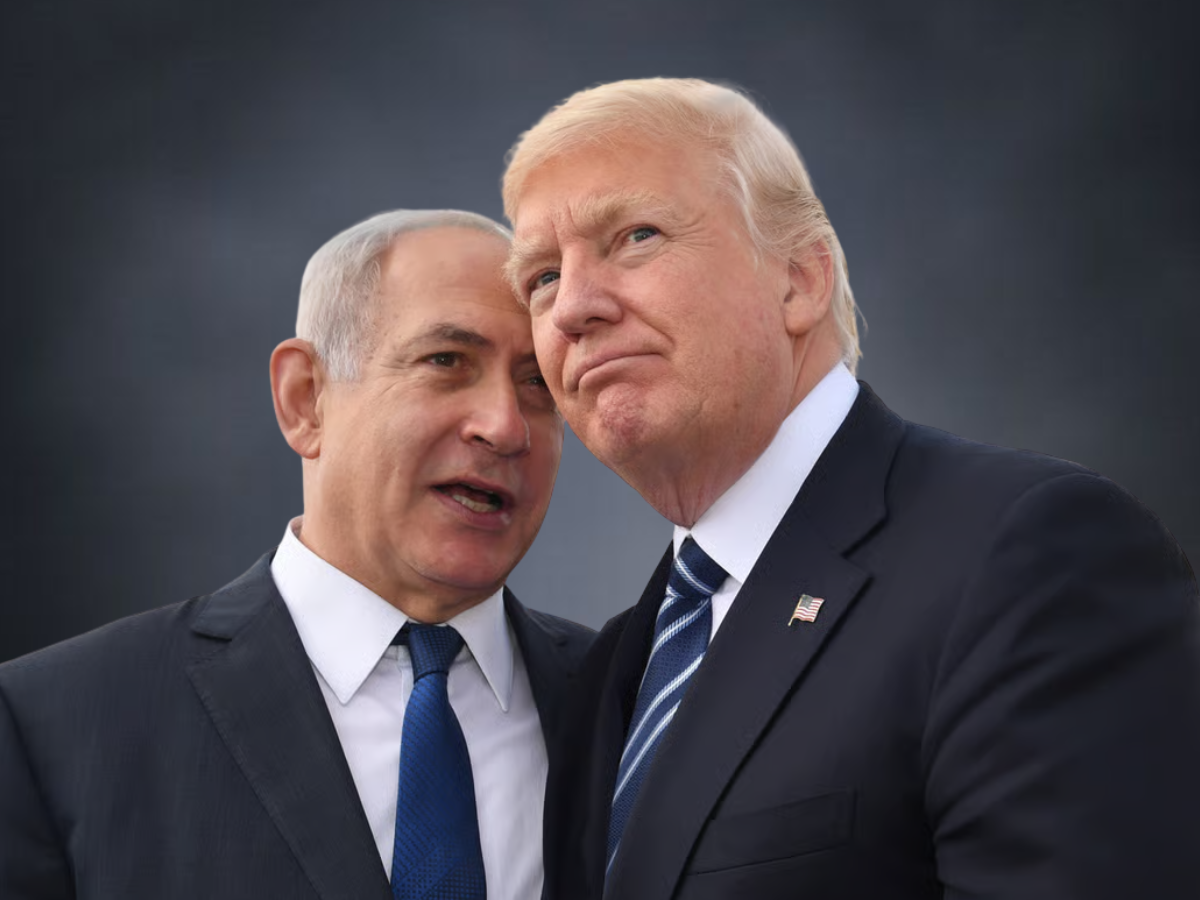
While tensions are rising concerning Iran’s brutal crackdown on democracy protests, diplomacy is slowly being raised to priority status. A telephone conversation between Israeli Prime Minister Benjamin Netanyahu and US President Donald Trump has renewed speculation on whether Washington is pulling back from its threat of military action or hitting pause.
Netanyahu’s Call & Push for Delay
According to multiple diplomatic sources, Netanyahu urged Trump to hold off on an immediate strike against Iran. The appeal came amid reports of mass arrests and planned executions linked to nationwide protests. While Israeli officials have voiced public support for Washington’s right to take action, they appear divided behind the scenes over whether military intervention would stabilize or inflame the region.
🇮🇱🇺🇸 NETANYAHU TOLD TRUMP TO WAIT ON IRAN STRIKE
Some think this is why the U.S. held back.
According to the New York Times, Netanyahu was worried Israel wasn’t ready for what Iran might do next.
Could’ve been that. Could’ve been oil. Could’ve been a deal. No one really knows… pic.twitter.com/T1qK8yumDQ
— Mario Nawfal (@MarioNawfal) January 15, 2026
Trump Signals a Cautious Pause ‘Wait & See’
Trump’s statements from the Oval Office introduced another level of uncertainty. While claiming that the number of killings had decreased and with executions ruled out, Trump has indicated that they will reassess before taking any possible measures. Though Trump did not completely rule out the use of force, it represented a slight respite following days of increased threats of possible military intervention.
Regional Allies Sound the Alarm
U.S. partners across the Middle East have made one thing very clear: do not escalate. Qatar, Saudi Arabia and Oman, along with Egypt, warned that an attack against Iran might lead to a broader regional war. Overlapping crises already strain the Middle East and even a limited attack could disrupt energy routes and regional security.
Israel’s Internal Divide on Iran
On the Israeli side, there appears to be an increasing divergence of views. Some security leaders feel that the Iranian protest movement has languished and that there may be less need for a military attack against Iran. Some ex-high-ranking leaders who have played a significant role in determining Iran policy differ in advocating for further pressure.
Diplomacy or Strategic Pause?
Washington and Jerusalem are also in constant communication, with US officials emphasizing that military options are always on the table. However, this current stand-off is also being considered an opportunity for diplomatic engagement. US officials think that Iran’s ruling elite could be coaxed into negotiations through sustained pressure.




