Shocking DOJ documents show Jeffrey Epstein sent a crude email about Pope Francis during the pontiff’s 2015 U.S. tour, mocking the Catholic Church and sparking global backlash.
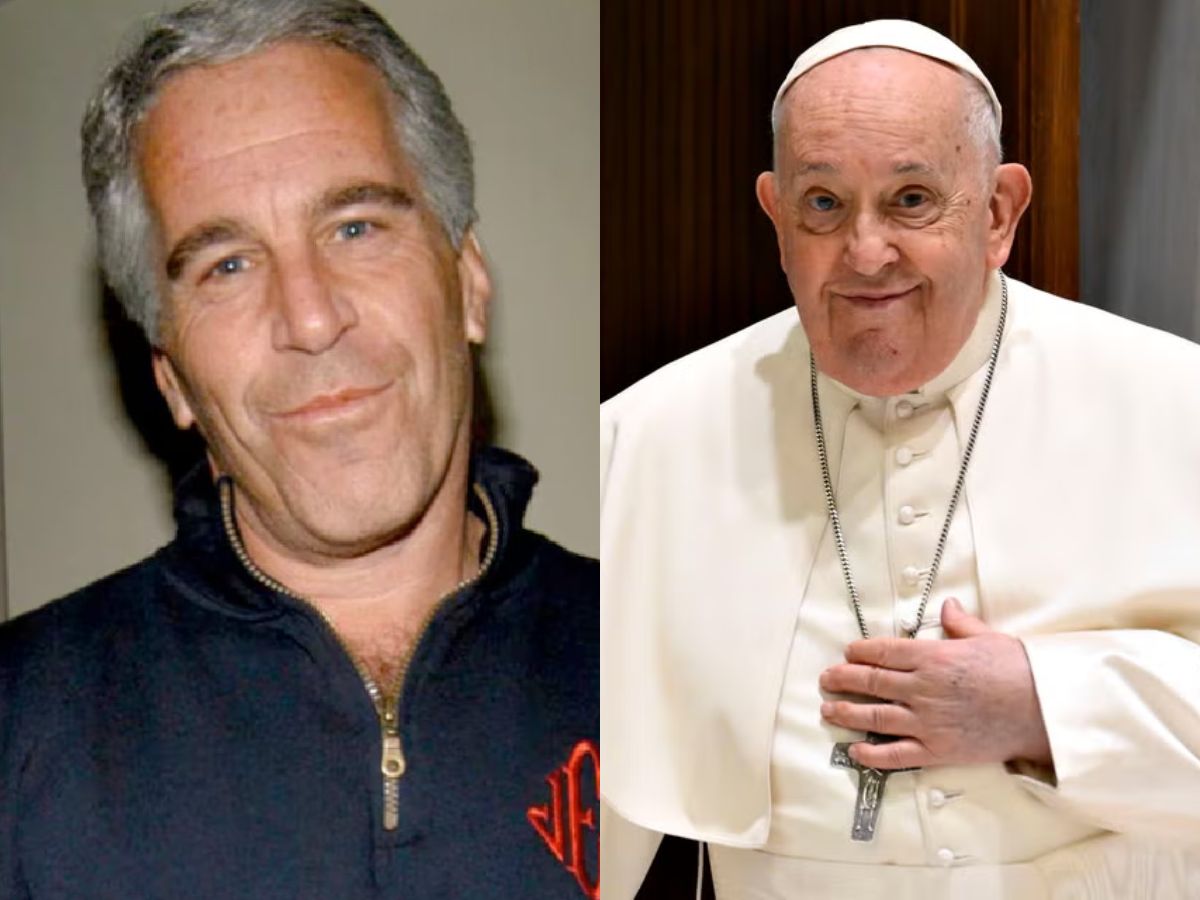
Shocking DOJ documents show Jeffrey Epstein sent a crude email about Pope Francis [Photo: X]
Newly released US Department of Justice documents have exposed disturbing private emails from disgraced financier Jeffrey Epstein that show he made crude jokes about Pope Francis and Jesus during the pope’s historic visit to the United States in 2015.
The messages, part of a huge trove of records made public under transparency rules, paint a disturbing picture of Epstein’s private worldview and how he spoke about moral and religious figures.
Justice Department files revealed that Epstein, in an email exchange with his brother Mark Epstein, suggested inviting Pope Francis for an inappropriate “massage” while the pope was in New York. According to prosecutors’ public files, the message contained a crude sentence that read, “so when he =ears oh jesus Im coming. he feels =appy.”
Mark Epstein had first joked that the pope was staying nearby during his 2015 US tour and suggested Jeffrey should invite him for an egg cream and conversation. Epstein’s reply, however, was shocking in its vulgarity and blasphemous in tone.
Pope Francis’s 2015 visit to the US was a major global event, including talks with then‑President Barack Obama, a speech to Congress, and an address at the United Nations. He also led a mass at Madison Square Garden that drew large crowds.
At the time, Francis stayed in an apartment near Epstein’s Manhattan residence during the New York leg of his trip — a proximity that the released email exchange highlighted and jokingly referenced.
Experts and commentators who reviewed the documents said Epstein’s remarks were more than crude humour. They interpreted the email as signalling disdain for Pope Francis himself and the Catholic Church’s moral authority — not simply an offhand joke.
Some analysts have connected this email to a broader set of communications in the Epstein files, which suggest that his relationships and interests extended into political and cultural debates, including discussions with public figures and commentators critical of Francis and modern Catholic leadership.
The email about the pope is just one detail among millions of records released by the Justice Department that document Epstein’s wide network of contacts and private thoughts. These documents have already drawn global attention, exposing his communications with politicians, celebrities, business leaders, and media figures.
Among other revelations:
Files showed longtime Epstein associate Ghislaine Maxwell was deeply involved in his operations and is now serving a 20‑year prison sentence for her role.
Documents also revealed strategic exchanges between Epstein and political figures about Pope Francis’s policies and public influence, suggesting a broader attempt to shape narratives around the Catholic Church.
Catholic commentators and observers have reacted strongly to the emails, calling them offensive and disrespectful to the faith. Many said Epstein’s comments showed contempt for one of the world’s most powerful religious leaders and institutions.
Others have noted that the files create a clearer picture of how Epstein and his circle viewed not only individuals but broader institutions, often with a dismissive or cynical outlook.
The Pope has long been a major global figure whose influence extends beyond religion into social, moral, and political arenas. The exposure of Epstein’s private emails about Francis underscores not only the controversial legacy of Epstein himself but also how far his personal animus and influence networks reached.
As more of the public files are examined by journalists and researchers, projections are that the revelations will continue to unfold, raising fresh questions about power, influence and respect for institutions once thought untouchable by Epstein’s circle.
