Federal Reserve Chair Jerome Powell explains decision to hold interest rates at 3.6%. Learn why the Fed paused cuts despite political pressure and market reactions.
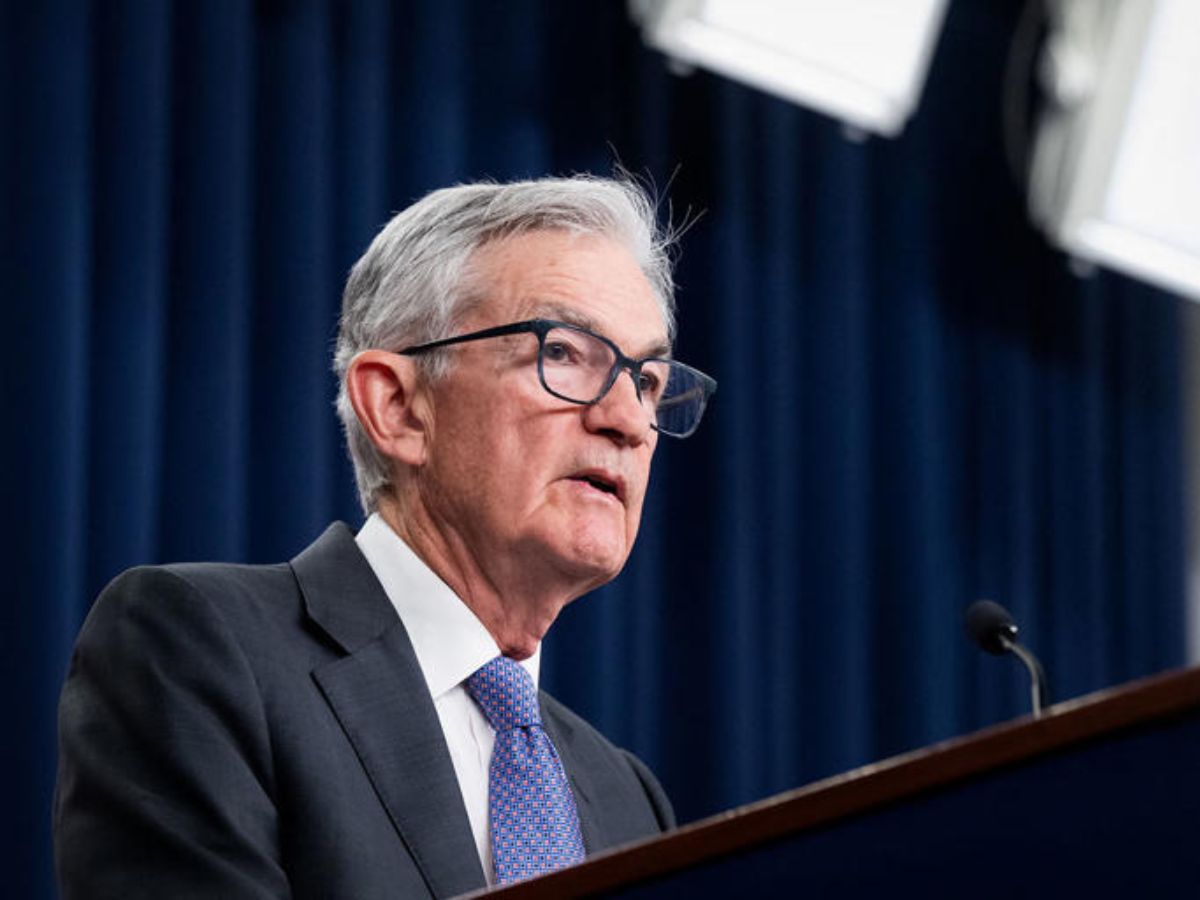
Powell Defends Fed Pause as Trump Criticism Grows (Image: X)
WASHINGTON, January 29 — Federal Reserve Chair Jerome Powell said Wednesday the central bank will leave its key interest rate unchanged at about 3.6%, marking a pause after three cuts last year. The decision, which comes amid repeated public criticism from President Donald Trump, was driven by what the Fed characterized as a stabilizing job market and "solid" economic growth.
The Federal Open Market Committee voted 10-2 to maintain the benchmark federal funds rate in its current target range of 3.5% to 3.75%. In its official statement, the committee upgraded its description of economic growth from last month's "modest" to "solid" and noted signs that the hot labor market is cooling toward better balance. This rate influences borrowing costs across the economy for products like mortgages, car loans, and business credit.
Chair Powell and the committee cited recent economic data to justify a pause. With growth holding firm and early signs the labor market is no longer overheating, officials see reduced urgency for further “insurance” rate cuts designed to protect against a downturn. The move reinforces the Fed’s data-dependent stance, placing economic signals above outside political pressure from current economic conditions today.
Major U.S. stock indexes were already trading at or near record levels ahead of the 2 p.m. announcement. Earlier in the day, the Dow Jones Industrial Average rose slightly to 49,006.97, the S&P 500 gained 0.23% to 6,994.80, and the Nasdaq Composite climbed 0.53% to 23,943.34. The U.S. dollar also showed signs of stabilizing after a recent drop.
Speculation about Powell's potential successor was highlighted by market analysts following the meeting. "Any day now, I expect we’ll learn who Powell’s successor will be," said Christian Hoffman, head of fixed income at Thornburg Investment Management. He noted that President Trump desires a new chair who is both sympathetic to his views and credible to investors, with names like BlackRock executive Rick Rieder and former Fed Governor Kevin Warsh considered frontrunners.
While the Fed is on hold for now, many analysts expect cuts to resume later in the year. "We expect easing to resume later in the year as a moderation in inflation allows for two further 'normalization' cuts," said Kay Haigh, global co-head of fixed income at Goldman Sachs Asset Management. This view suggests the Fed may lower rates toward a level it considers neutral once inflation shows more consistent decline.
A: No. The Fed voted to leave the key federal funds rate unchanged at about 3.6%.
A: Trump has repeatedly criticized Powell for months for not enacting sharper interest rate cuts, which could lower broader borrowing costs.
A: Major indexes like the S&P 500 and Nasdaq were up ahead of the announcement, continuing a recent record-setting trend.
A: Yes, some senior market analysts, like Goldman Sachs's Kay Haigh, anticipate two more "normalization" cuts later this year if inflation moderates.
