
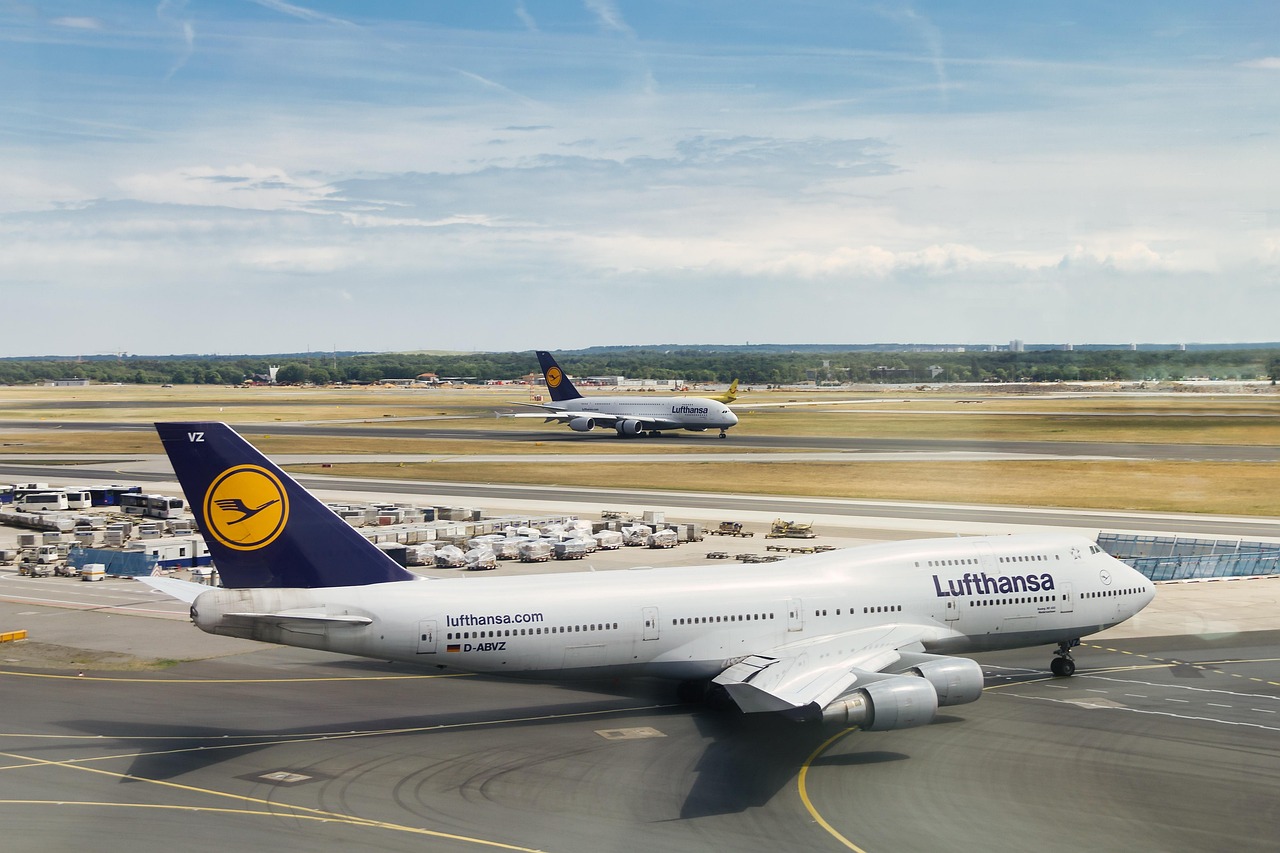
A massive shortage of aviation fuel due to the Iran-US war has triggered a wave of flight cancellations across Europe and the Middle East. On Wednesday, the industry giant Lufthansa alone axed 20,000 flights through the summer season, after reducing flight capacity for some routes for weeks.
The crisis, fuelled by escalating tensions at the critical chokepoint—Strait of Hormuz—and supply chain collapses, has left tens of thousands of travellers stranded. There’s a prolonged fear of “jet fuel shock” that could cripple international air travel for months.
Lufthansa Group announced that in a bid to protect itself from the soaring cost of oil, it is forced to cancel flights over the next six months to save 40,000 metric tonnes of jet fuel. The air carrier axed short-haul flights that it deemed “unprofitable.”
Lufthansa Group operates the German flag carrier Lufthansa and its subsidiaries and affiliated companies, Swiss, Austrian, ITA, Brussels Airlines, Eurowings and Discover Airlines. The decision primarily affected its regional subsidiary, Lufthansa CityLine, but ripples are being felt across the entire group.
The air carrier has already grounded 27 Lufthansa CityLine planes.
The CFO of Lufthansa Group, Till Streichert, said that the company “already identified the prospective removal of CityLine from our program as part of our strategic development for some time, independently of the current geopolitical crisis”.
Lufthansa Leads Mass Cancellations Of Flights
This week, the scale of the disruption became clear as Lufthansa removed dozens of flights from its schedule, including from Frankfurt to Bydgoszcz and Rzeszów in Poland, as well as Stavanger in Norway.
Europe’s largest airline group triggered panic among the flyers after it announced the immediate cancellation of as many as 20,000 scheduled flights due to oil price hikes.
Industry analysts warned that the airline is “running out of options” as strategic reserves dwindle. The German carrier is not alone in grappling with the jet fuel crisis. Other companies affected include easyJet and British Airways. Several Middle Eastern carriers have also begun thinning their schedules to preserve remaining fuel stocks for long-haul essential routes.
The Iran War And The Global Supply Chain Collapse
At the heart of the jet fuel crisis lies in the intensifying conflict in Iran, with no ceasefire in sight, which has effectively severed key fuel transit corridors and disrupted refinery outputs in the Middle East.
With major shipping lanes blocked, especially the critical maritime artery, the Strait of Hormuz, the waterway where most of the world’s oil passes, is being deemed too high-risk for tankers. Meanwhile, the traditional “taps” that supply European hubs have tightened supply significantly.
Last week, the head of the International Energy Agency, Fatih Birol, warned that Europe only has around six weeks of jet fuel supply left in what he feared could be “the largest energy crisis we have ever faced”.
Europe is teetering on a six-week countdown as planes ground amid the looming supply crunch. If alternative supply lines are not established, the continent risks a total “dry out” of aviation kerosene, the analysts are warning.
Impact on Travellers and Ticket Prices
For passengers, the crisis has translated to immediate chaos. Beyond the 20,000 Lufthansa cancellations, at least ten major airlines have begun grounding portions of their fleets. Passengers have reported last-minute cancellations with less than 24 hours’ notice, which has sabotaged their travel plans.
As seat capacity shrinks due to grounded planes, many passengers complained that the ticket prices for remaining flights have spiked by as much as 40%. Some of the major airports, like Frankfurt, London Heathrow, and Dubai, are seeing massive backlogs as staff struggle to rebook displaced travellers.
How the “Jet Fuel Shock” Compares To Previous Crises
Economists have called the “Jet Fuel Shock” due to the Iran-US war much more grave when comparing its impact on the aviation sector to the 1970s oil crisis. Unlike the COVID-19 pandemic, where the demand disappeared, the current crisis features high demand but a physical lack of the fuel required to move aircraft. As a result, some airlines have been forced to ground their entire fleet.
While they are desperately seeking alternative fuel sources, including accelerated shifts toward Sustainable Aviation Fuel (SAF), the airlines are worried that the volume of SAF available is insufficient to fill the massive deficit left by traditional kerosene.
What’s Next As Clouds Of Uncertainty Loom
As the Middle East crisis deepens, the International Air Transport Association (IATA) has called on governments to release emergency fuel reserves to prevent a total standstill of the global economy.
“We are in uncharted territory,” one senior aviation consultant was quoted as saying. “If the taps don’t open soon, the 20,000 flights cancelled by Lufthansa will just be the tip of the iceberg. We are looking at a fundamental contraction of global connectivity,” he added.
For now, travellers have no option but to check flight statuses frequently and avoid non-essential travel through major European and Middle Eastern hubs until the supply chain stabilises.


