
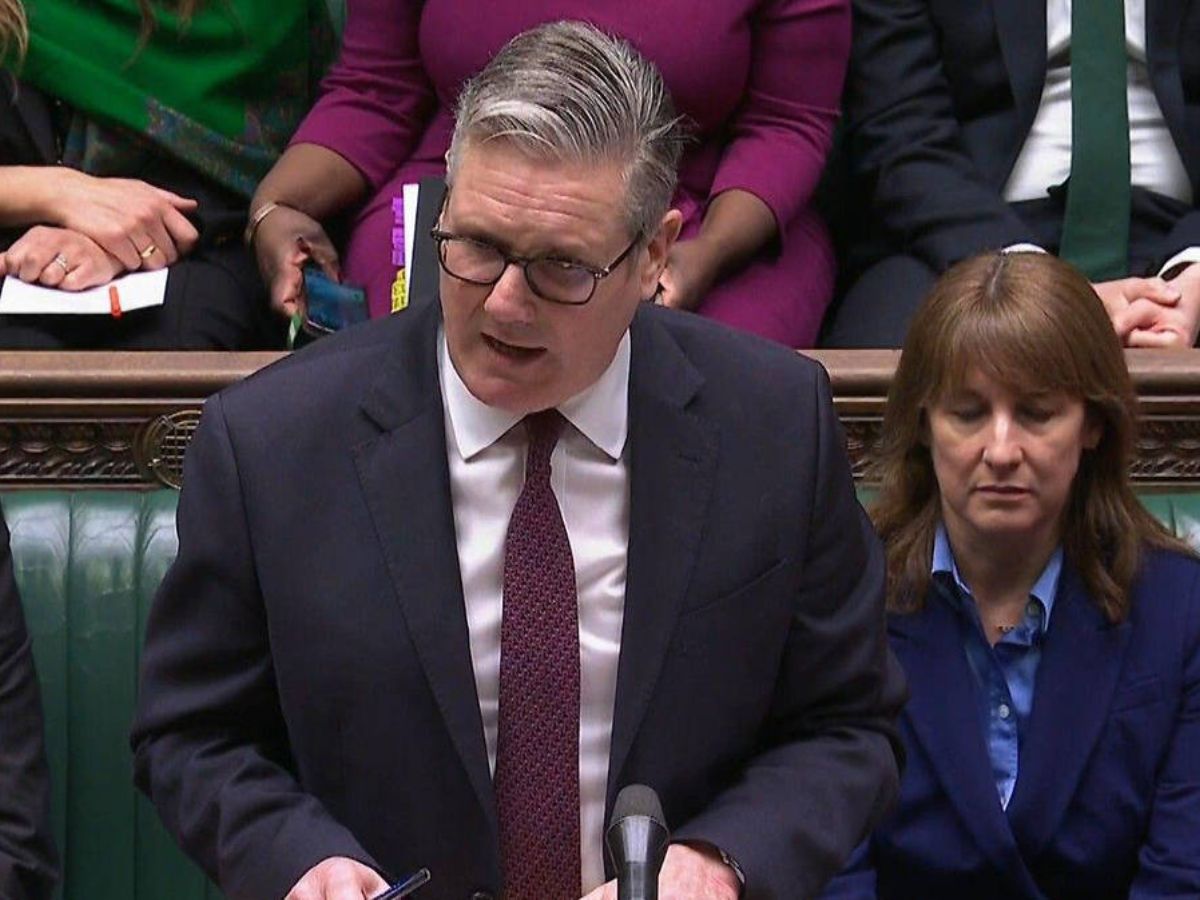
Prime Minister Sir Keir Starmer’s government has been compelled to hand files relating to Peter Mandelson’s appointment as U.S. ambassador to Parliament’s intelligence watchdog, following a rebellion by senior Labour MPs. Ministers altered their position after pressure from within the party, agreeing that sensitive documents will go to the Intelligence and Security Committee instead of being withheld entirely.
Downing Street confirmed it will comply with a parliamentary motion to publish relevant documents, stating they will show Mandelson “lied to the prime minister” and misrepresented his relationship with the late financier Jeffrey Epstein. The Metropolitan Police, which is conducting a criminal investigation into Mandelson, had advised against immediate publication.
What Was the Government Forced to Do?
MPs passed a Conservative Party motion calling for the full release of all documents related to Mandelson’s ambassadorial appointment process last year. Initially, the government sought to exempt files on grounds of national security and international relations. Following interventions from senior Labour figures including Deputy Prime Minister Angela Rayner and Dame Meg Hillier, the government amended its stance. The revised amendment, which was approved, mandates that sensitive papers be referred to Parliament’s cross-party Intelligence and Security Committee (ISC) for review, while all other documents will be published.
Why Did Labour MPs Rebel?
The rebellion centered on transparency and parliamentary sovereignty. Key Labour frontbenchers argued that outright ministerial refusal to disclose information was unacceptable. Their pressure forced the government to concede oversight to the ISC, a committee of parliamentarians with high-level security clearance, rather than allowing ministers to withhold files completely. Commons Speaker Sir Lindsay Hoyle reinforced Parliament’s authority, reminding MPs that the police “cannot dictate” to the House regarding the release of documents.
What Do the Files Reportedly Contain?
According to a Number 10 spokesperson, the documents will reveal that Peter Mandelson “lied to the prime minister, hid information that has since come to light and presented Jeffrey Epstein as someone he barely knew.” The files pertain to the vetting and appointment process for the prestigious diplomatic post. The Metropolitan Police’s ongoing criminal investigation into Mandelson influenced the timing, with a minister stating no documents would be published immediately due to police advice.
What Happens Next?
The government must now sort and disclose the files. Documents deemed unrelated to national security or international relations will be published directly. Those classified as sensitive will be provided to the Intelligence and Security Committee for its confidential assessment. Downing Street has pledged full compliance with the parliamentary motion.
FAQs: The Mandelson Documents and Parliamentary Vote
Q: Which parliamentary body will review the sensitive files?
A: The Intelligence and Security Committee (ISC), a cross-party group of MPs and Lords with security clearance, will review documents deemed relevant to national security or international relations.
Q: What was the role of the Metropolitan Police?
A: The Metropolitan Police, which is conducting a criminal investigation into Peter Mandelson, advised the government against publishing any documents immediately. Parliament asserted its sovereignty over the matter.
Q: What did Downing Street say the files will show?
A: A Number 10 spokesperson stated the documents will show Mandelson lied to the Prime Minister and misrepresented his relationship with Jeffrey Epstein.
Disclaimer: This information is based on inputs from news agency reports. TSG does not independently confirm the information provided by the relevant sources.




