Categories: World

Lunar Eclipse 2026: When, Where & How to Watch the Total Lunar Eclipse Across the US; State-Wise Timings & Viewing Tips

Total Lunar Eclipse 2026: Check state-wise timings, best viewing hours, and how to watch the March 3 Blood Moon across the United States safely.
Published by Neerja Mishra

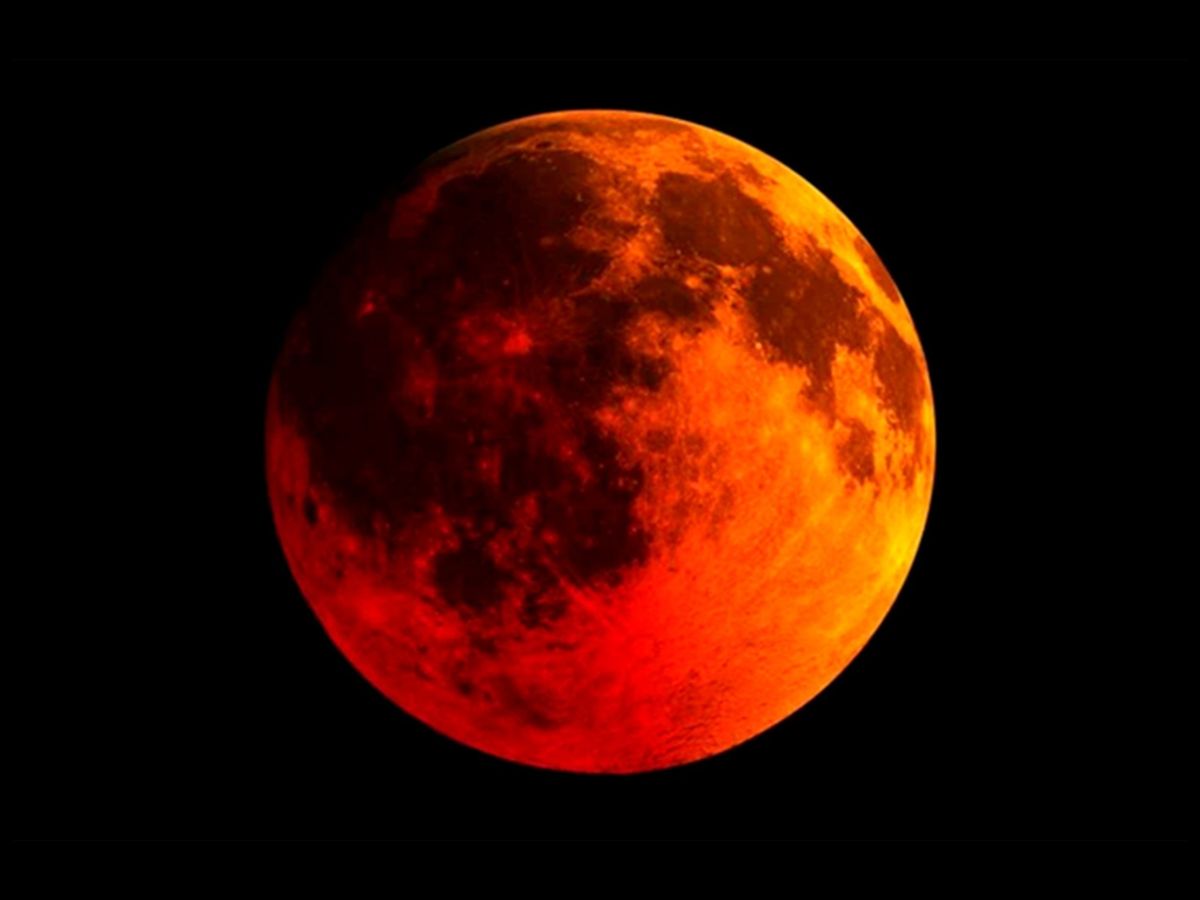
A rare and spectacular total lunar eclipse, often called a Blood Moon, will light up the sky on Tuesday, March 3, 2026. During this event, Earth passes directly between the Sun and the Moon, casting a deep red shadow on the lunar surface.

The eclipse will be visible across nearly the entire United States in the early morning hours, making it a must-see celestial event for skywatchers and astronomy fans alike. Unlike solar eclipses, a lunar eclipse is completely safe to view with the naked eye.

Lunar Eclipse 2026: When the Total Lunar Eclipse Happens in the US?

The eclipse unfolds over several hours, with key phases occurring in the early morning of March 3, 2026:

  • Penumbral eclipse begins: around 3:44 AM EST
  • Partial eclipse begins: around 4:50 AM EST
  • Totality (blood red Moon): approximately 6:04 AM to 7:02 AM EST
  • Partial eclipse ends: 8:17 AM EST
  • All phases end: 9:23 AM EST

During totality, Earth’s shadow completely covers the Moon, giving it a coppery-red tint that’s safe to view with the naked eye.

Lunar Eclipse 2026: When to Watch a Lunar Eclipse in the US (State-Wise Breakdown)

Here are the approximate local totality times, the period when the Moon turns red, across US regions and major states:

Lunar Eclipse 2026: Western States (Full Eclipse Visible)

In states where the Moon remains high above the horizon throughout totality, skywatchers can enjoy the entire red-moon phase:

  • California – Totality: 3:04–4:02 AM PST
  • Oregon – Totality: 3:04–4:02 AM PST
  • Washington – Totality: 3:04–4:02 AM PST
  • Nevada – Totality: 3:04–4:02 AM PST
  • Arizona – Totality: 4:04–5:02 AM MST
  • Colorado – Totality: 4:04–5:02 AM MST
  • Idaho – Totality: 4:04–5:02 AM MST

These areas offer the best overall view because the Moon stays high during totality.

Lunar Eclipse 2026: Central States (Good Viewing Before Rise or Moonset)

In Central Time zones, the Moon is still well placed for most of the eclipse:

  • Texas – Totality: 5:04–6:02 AM CST
  • Oklahoma – Totality: 5:04–6:02 AM CST
  • Kansas – Totality: 5:04–6:02 AM CST
  • Nebraska – Totality: 5:04–6:02 AM CST
  • Missouri – Totality: 5:04–6:02 AM CST
  • Minnesota – Totality: 5:04–6:02 AM CST
  • Wisconsin – Totality: 5:04–6:02 AM CST

Here, the fullest red Moon should be visible before moonset or sunrise.

Lunar Eclipse 2026: Eastern States (Partial View Possible)

In the Eastern Time Zone, the Moon may set during totality, meaning skywatchers might see only part of the Blood Moon phase as the Moon sinks toward the horizon:

  • New York – Totality: 6:04–7:02 AM EST (moon low or setting)
  • Florida – Totality: 6:04–7:02 AM EST (low horizon)
  • Georgia – Totality: 6:04–7:02 AM EST
  • North Carolina – Totality: 6:04–7:02 AM EST
  • Ohio – Totality: 6:04–7:02 AM EST
  • Pennsylvania – Totality: 6:04–7:02 AM EST

Because the Moon may be near or below the horizon, choose a spot with a clear western view to maximise your chances of seeing even partial totality.

Lunar Eclipse 2026: Alaska & Hawaii (Early Hours)

  • Alaska – Totality: 2:04–3:02 AM AKST
  • Hawaii – Totality: 1:04–2:02 AM HST

Observers in these states will see a spectacular red Moon well before dawn.

Lunar Eclipse 2026: How to Watch the Blood Moon Safely?

Unlike solar eclipses, lunar eclipses are completely safe to watch with the naked eye; you don’t need any special glasses or filters.

Best Tips for Viewing

  • Find an open horizon: Especially in the west, where the Moon will be during totality.
  • Get away from city lights: Darker skies improve visibility.
  • Bring binoculars or a small telescope: These enhance surface details, though they’re not required.
  • Check weather forecasts: Cloud cover can block your view, especially early in the morning.
  • Even with some cloud cover, the eclipse’s brighter phases can still be visible, but clear skies will offer the best experience.

Why the Moon Turns Red During a Lunar Eclipse?

The “Blood Moon” colour comes from sunlight filtering through Earth’s atmosphere during totality. As light passes through all the planet’s sunsets and sunrises around the world, the shorter blue wavelengths scatter out and redder hues reach the Moon’s surface, giving it that eerie coppery glow.

Lunar Eclipse 2026: When to Watch?

For many US viewers, totality will occur in pre-dawn hours on March 3, 2026, so set your alarm! The exact windows across zones are:

  • PST: 3:04–4:02 AM
  • MST: 4:04–5:02 AM
  • CST: 5:04–6:02 AM
  • EST: 6:04–7:02 AM
  • AKST: 2:04–3:02 AM
  • HST: 1:04–2:02 AM

Plan to be outside at least 30–60 minutes before totality to catch the partial phases leading up to the main event.

Lunar Eclipse 2026: What You’ll See During the Eclipse

As Earth’s shadow moves across the Moon:

  • You’ll first notice a slight dimming, the beginning of the partial phase.
  • During totality, which lasts about 58 minutes, the Moon may turn a rich copper-red due to sunlight bending through Earth’s atmosphere, the signature Blood Moon effect.
  • After totality, the Moon gradually brightens again as it exits Earth’s shadow.

If you miss the in-person event, free livestreams from astronomy websites and organisations will broadcast it live online.

Neerja Mishra