Mass anti-ICE protests sweep the US after the fatal shooting of Renee Nicole Good by an ICE agent in Minneapolis, as protestors demand ICE be abolished.
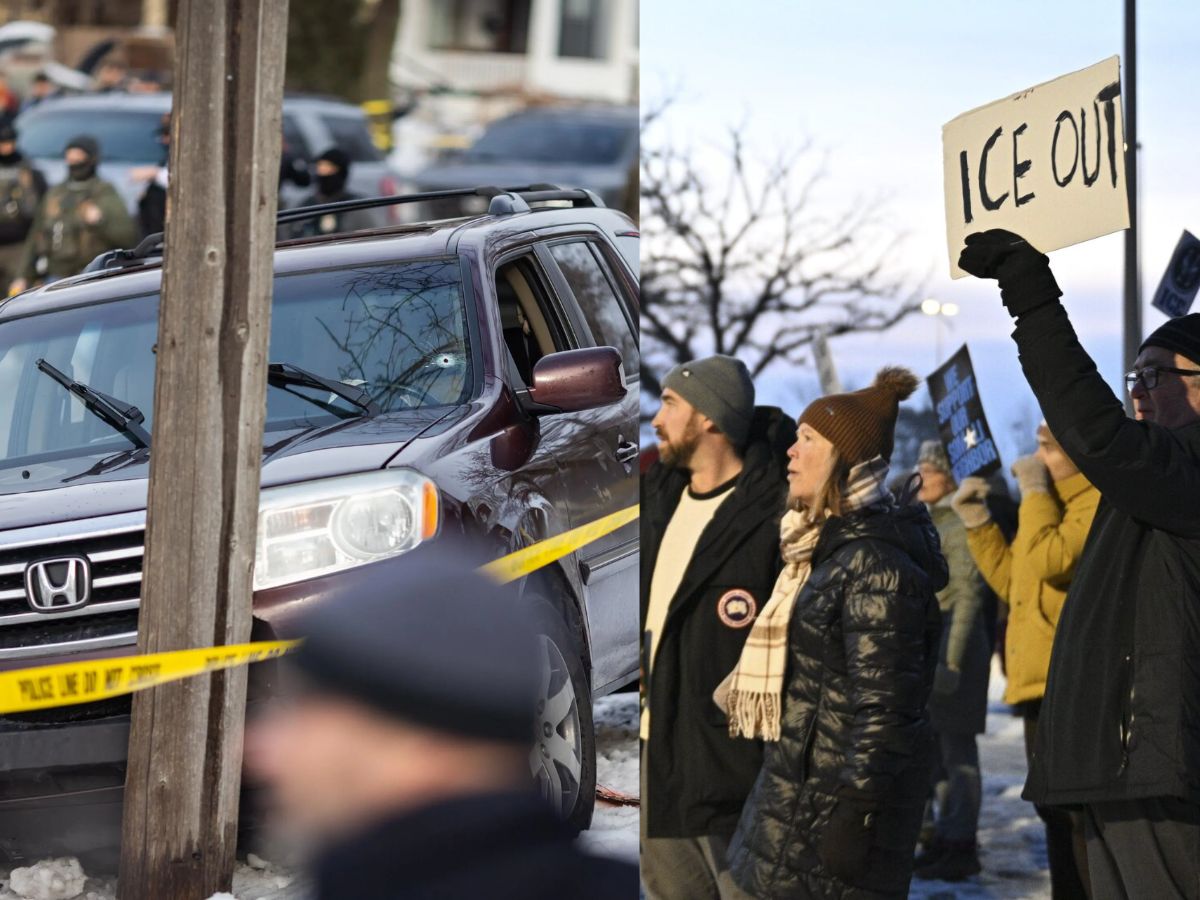
The protests mark one of the largest coordinated anti-ICE actions in recent U.S. history and show growing public anger over immigration tactics. (File Photo)
Mass protests spread across the US this weekend after the fatal shooting of Renee Nicole Good by a US Immigration and Customs Enforcement (ICE) agent in Minneapolis, Minnesota. Protestors in cities from Minneapolis to Boston and Philadelphia took to the streets under the banner “ICE Out For Good”, calling for the abolition of ICE and an end to aggressive federal immigration enforcement.
The protests mark one of the largest coordinated anti-ICE actions in recent U.S. history and show growing public anger over immigration tactics.
Renee Nicole Good was a 37-year-old Minneapolis resident and mother of three. She was shot and killed by an ICE agent on January 7, 2026, during an immigration enforcement action. Federal officials have described the killing as self-defense, claiming Good’s vehicle posed a threat.
However, eyewitnesses and local leaders have strongly disputed this narrative, saying video evidence shows she was trying to leave the scene when she was shot. Her death has become a rallying point for activists and everyday Americans critical of ICE’s authority and methods.
The slogan “ICE Out For Good” emerged as the central theme of demonstrations, capturing protesters’ calls to dismantle the immigration enforcement agency. Organizers said more than 1,000 rallies were planned nationwide this weekend, with events scheduled in nearly every U.S. state.
At the Minneapolis rally, thousands marched through frigid conditions, chanting “ICE out now!” and “Say her name — Renee Good!” as they demanded federal accountability and an end to violent immigration sweeps.
The outrage quickly spread beyond Minnesota. Major cities, including New York City, Boston, Seattle, Washington, D.C., Philadelphia, and Portland, saw sizable demonstrations. In many places, protesters carried signs reading “ICE murdered Renee Good” and “Abolish ICE”, linking her death to long-standing complaints about immigration enforcement.
In Philadelphia, candlelight vigils and marches near City Hall highlighted local grievances about ICE raids and federal immigration policy. Protesters there said they were moved by Good’s death to demand broader justice and systemic change.
Civil rights groups and activists have sharply criticized ICE and the Department of Homeland Security (DHS) for a lack of transparency over the shooting. The American Civil Liberties Union (ACLU) and other organizations condemned the killing, urging federal agents to withdraw from Minnesota and halt aggressive operations to protect communities.
In Minneapolis, local officials have also voiced frustration with the federal handling of the case. Tensions rose further after the FBI assumed exclusive control of the investigation, blocking state law enforcement from accessing evidence. This move drew criticism from Minnesota leaders demanding a transparent inquiry.
The demonstrations reflect broader unease over ICE’s expanding role in immigration enforcement under the Trump administration. Many protesters say the agency’s actions have gone unchecked, resulting in injuries and deaths — especially among immigrant communities.
Leaders of grassroots movements coordinating the rallies said they are not only mourning Good’s death but also demanding structural change. “ICE’s violence is not a statistic, it has names, families, and futures attached to it,” said one activist, summarizing why many feel the agency’s presence should end.
Organizers and activists have said the protests will continue into the coming days as part of a sustained push for accountability and reform. With events planned nationwide, the anti-ICE movement appears poised to influence public debate around immigration enforcement and federal policing strategies in the year ahead.
