A Minnesota audit found fabricated documents and oversight failures in $425M of behavioral health grants. See the key findings and official responses.
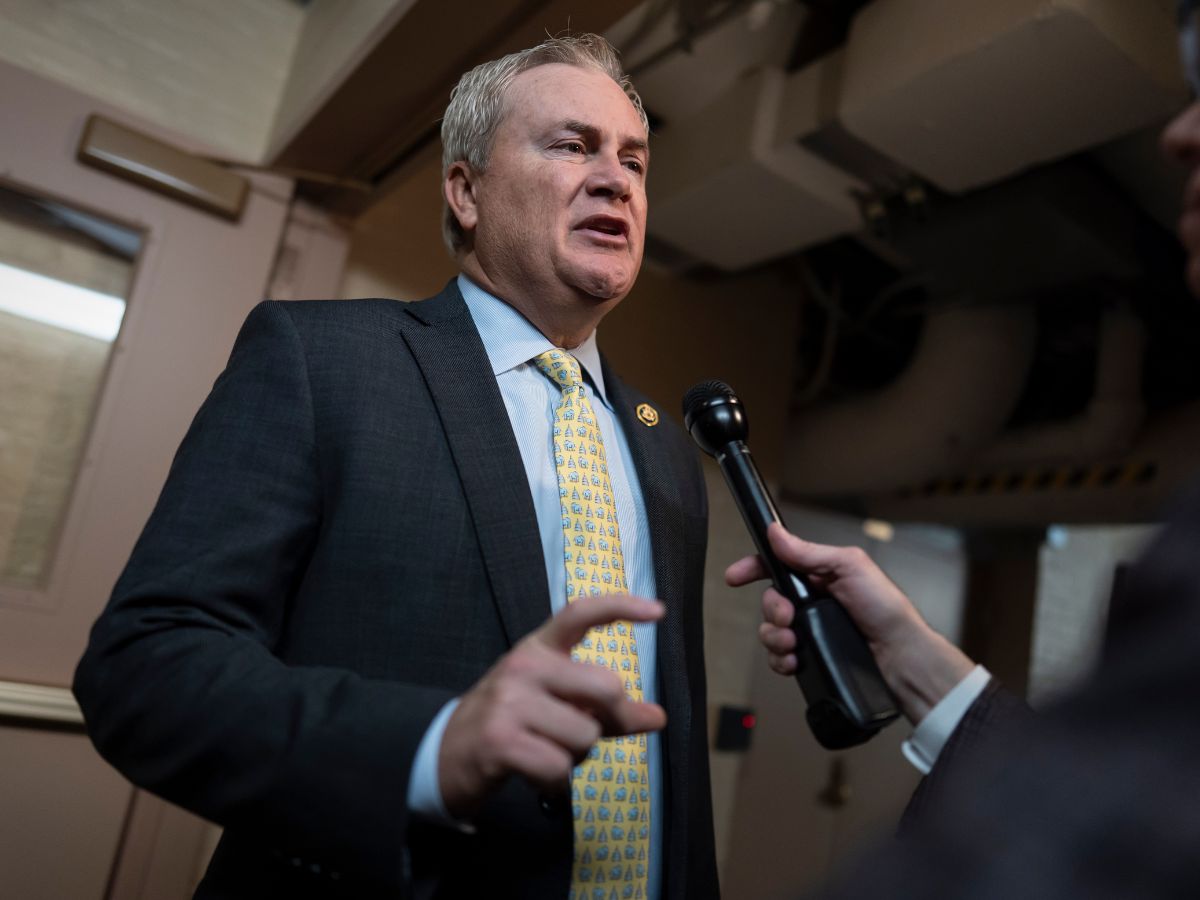
Minnesota audit reveals fabricated documents, oversight failures in $425 million grant program (Image: X)
ST. PAUL, Minn., January 8 — Long before auditors found fabricated documents in a $425 million grant program, state employees inside the agency were warning that their concerns were being ignored. A scathing new legislative audit reveals that the systemic failures in Minnesota’s Behavioral Health Administration were visible to its own staff, who say they lacked training and a voice.
The audit included a survey of the agency’s own personnel. The results show a workforce that felt ill-equipped and unheard:
The internal feedback frames the subsequent findings of missing reports and falsified records not as sudden errors, but as symptoms of a known, unaddressed internal culture.
The nonpartisan Office of the Legislative Auditor’s investigation confirmed the worst fears implicit in the staff survey. It found that between July 2022 and December 2024, the Department of Human Services’ Behavioral Health Administration failed to properly oversee $425 million in grants. Auditors discovered missing documentation and, most critically, evidence of backdated or newly created documents aimed at showing compliance after the fact.
The findings put a new focus on executive responsibility. Republican State Sen. Mark Koran stated, “DHS leadership has failed at every level.” The employee survey adds weight to this claim, indicating problems were visible internally long before the audit. Acting Commissioner Shireen Gandhi’s acceptance of responsibility now includes addressing this cited culture of ignored concerns, not just installing new financial checks.
A: It frames the fraud and fabrication as potential outcomes of a dysfunctional workplace culture, not just individual misconduct or poor paperwork.
A: Yes, the survey data and direct employee quote are included in the report’s findings, linking culture to compliance failure.
A: That the misuse of taxpayer funds may have been preceded by years of internal warnings from the very people tasked with protecting those funds.
A: The acting commissioner says the audit is a “roadmap” for improvement. Fixing the culture of ignored staff will be as critical as fixing the financial controls.
