
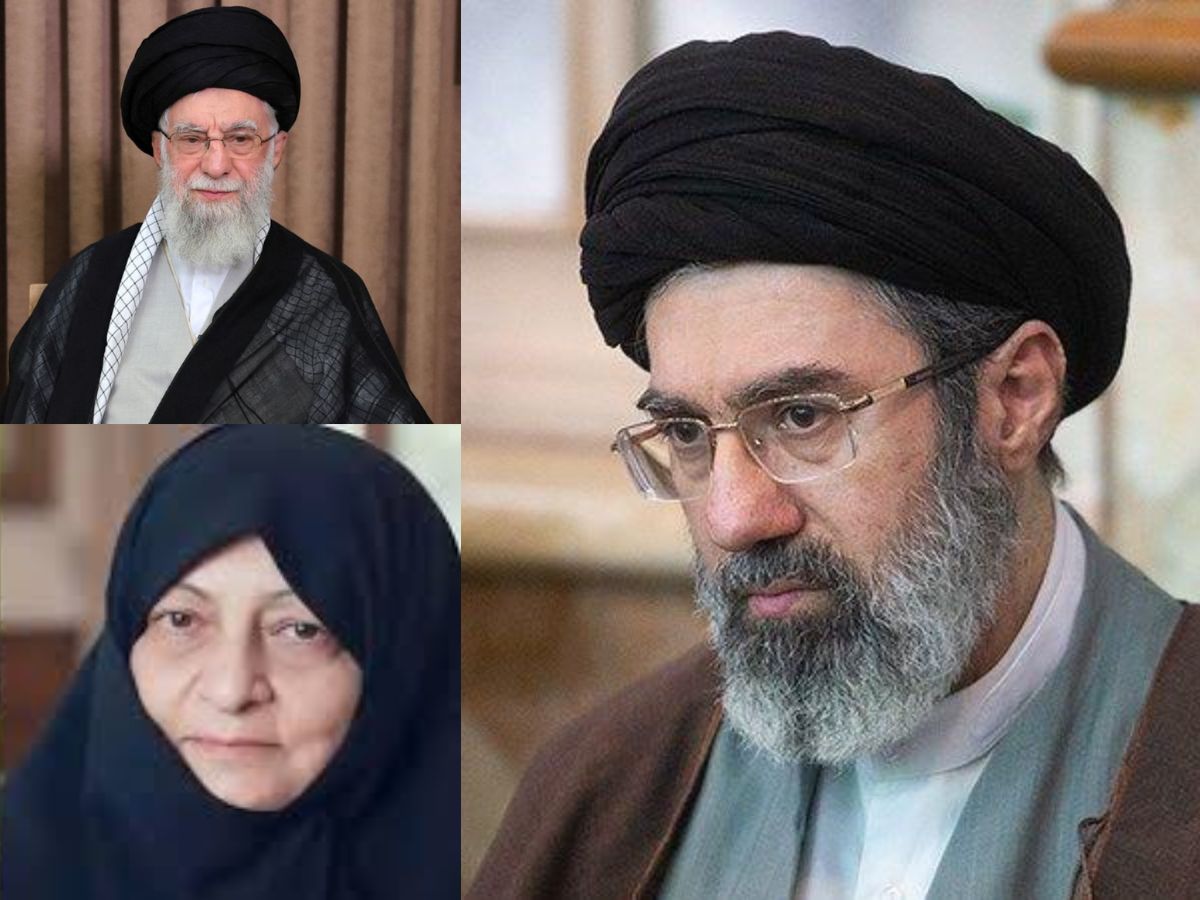
Mojtaba Khamenei has drawn global attention after rising to the top of Iran’s leadership. As the son of Ayatollah Ali Khamenei, he comes from one of the most powerful families in the Islamic Republic. His background, family connections, and close ties with influential political figures have long shaped his position within Iran’s ruling structure.
For years, Mojtaba Khamenei stayed away from the public spotlight while working behind the scenes in the Office of the Supreme Leader. Despite maintaining a relatively low public profile, his family lineage and relationships inside Iran’s political establishment helped him gain influence over time.
With the focus now on his leadership and political role, many people are searching for details about Mojtaba Khamenei’s family tree, including his parents, wife, children, and siblings.
Who is Mojtaba Khamenei?
Mojtaba Khamenei is an Iranian cleric and one of the most influential figures within the country’s political and religious leadership. He gained prominence over the years due to his close association with his father, Ayatollah Ali Khamenei, who served as Iran’s Supreme Leader for more than three decades.
Although Mojtaba Khamenei rarely held public political positions, he worked within the Office of the Supreme Leader and maintained strong connections with senior clerics, political leaders, and security institutions. Analysts often described him as a key figure behind the scenes who helped manage access to the Supreme Leader and coordinate political influence.
Mojtaba Khamenei, 56, is known for keeping a low public profile while remaining close to Iran’s power structure. Many observers believed he played an important role in shaping political decisions and maintaining relationships with influential groups within the Islamic Republic.
Mojtaba Khamenei Family Tree
Mojtaba Khamenei belongs to a well-known clerical and political family in Iran. His father served as the country’s Supreme Leader for decades, while other members of the family have also remained closely connected to the country’s religious and political institutions. The Khamenei family is widely recognised as one of the most influential families within the Islamic Republic’s leadership structure.
Mojtaba Khamenei Father
Mojtaba Khamenei’s father was Ayatollah Ali Khamenei, the second Supreme Leader of Iran, who ruled the country from 1989 until his death. Ali Khamenei was one of the most powerful political and religious figures in the Islamic Republic and played a central role in shaping Iran’s domestic policies and foreign strategy for more than three decades. He succeeded Ayatollah Ruhollah Khomeini, the founder of the Islamic Republic.
Ali Khamenei’s long leadership significantly influenced Iran’s political system, and his authority extended across the country’s religious institutions, military leadership, and government structures.
Mojtaba Khamenei Mother
Mojtaba Khamenei’s mother is Mansoureh Khojasteh Bagherzadeh, who is known for keeping a low public profile despite being part of Iran’s most influential political family. She married Ali Khamenei before the 1979 Islamic Revolution and supported him during his rise in Iran’s political and religious leadership.
Unlike many figures connected to powerful political families, she has largely stayed away from public appearances and political discussions.
Mojtaba Khamenei Wife
Mojtaba Khamenei is married to Zahra Haddad-Adel, the daughter of Gholam-Ali Haddad-Adel, a prominent Iranian conservative politician and former speaker of Iran’s parliament.
This marriage strengthened Mojtaba Khamenei’s connections within Iran’s conservative political establishment. Haddad-Adel has remained an influential figure in Iran’s political system and is known for his close ties with senior leadership circles.
The alliance between the two families has often been viewed by analysts as an important link within Iran’s conservative power network.
Mojtaba Khamenei Children
Mojtaba Khamenei and Zahra Haddad-Adel have three children. Reports indicate they have two sons and one daughter, although the family keeps most personal details private.
Their children were born in the 2000s and have largely stayed away from public attention due to the family’s security and privacy concerns. Very little information about their education or personal lives is publicly available.
Mojtaba Khamenei Brothers
Mojtaba Khamenei comes from a large family. His father, Ali Khamenei, had six children, four sons and two daughters. His brothers are Mostafa Khamenei, Masoud Khamenei, and Meysam Khamenei.
Unlike Mojtaba, most of his brothers have largely stayed away from the political spotlight. They have maintained relatively private lives and have not taken prominent roles in Iran’s political leadership.
Mojtaba Khamenei Sisters
Mojtaba Khamenei also has two sisters, Boshra Khamenei and Hoda Khamenei. Like many members of the Khamenei family, they have kept a low public profile and rarely appear in political discussions or public events.
Among all the siblings, Mojtaba Khamenei is widely regarded as the most politically influential and was often seen by analysts as a possible successor to his father.
Mojtaba Khamenei Background & Early Life
Mojtaba Khamenei was born in 1969 in the northeastern Iranian city of Mashhad. Growing up in the household of a senior cleric who later became the country’s Supreme Leader, he spent much of his life within Iran’s political and religious environment. He studied Islamic theology and later achieved the clerical rank of Hujjat al-Islam, a mid-level religious title in Iran’s clerical hierarchy.
Over time, he developed relationships with conservative clerics and influential figures within Iran’s leadership. Many analysts believe his ties with the Islamic Revolutionary Guard Corps helped him build strong connections within the country’s political and security institutions. These relationships played a major role in shaping his influence inside Iran’s leadership network.
How Mojtaba Khamenei’s Background Shaped His Rise in Iran’s Power Structure
Family connections play a significant role in Iran’s political and religious leadership structure. Being part of the Khamenei family placed Mojtaba at the centre of the country’s power circle from a young age.
His father’s long tenure as Supreme Leader and his marriage into another influential political family strengthened his position within Iran’s conservative leadership. Today, Mojtaba Khamenei’s family background continues to shape how political observers view his leadership and influence within the Islamic Republic.




