Sleep doctor's theory suggests, Nancy Guthrie could have faced deadly heart attack risk from 2AM sleep inertia + pacemaker during abduction. Doorbell intruder timing critical.
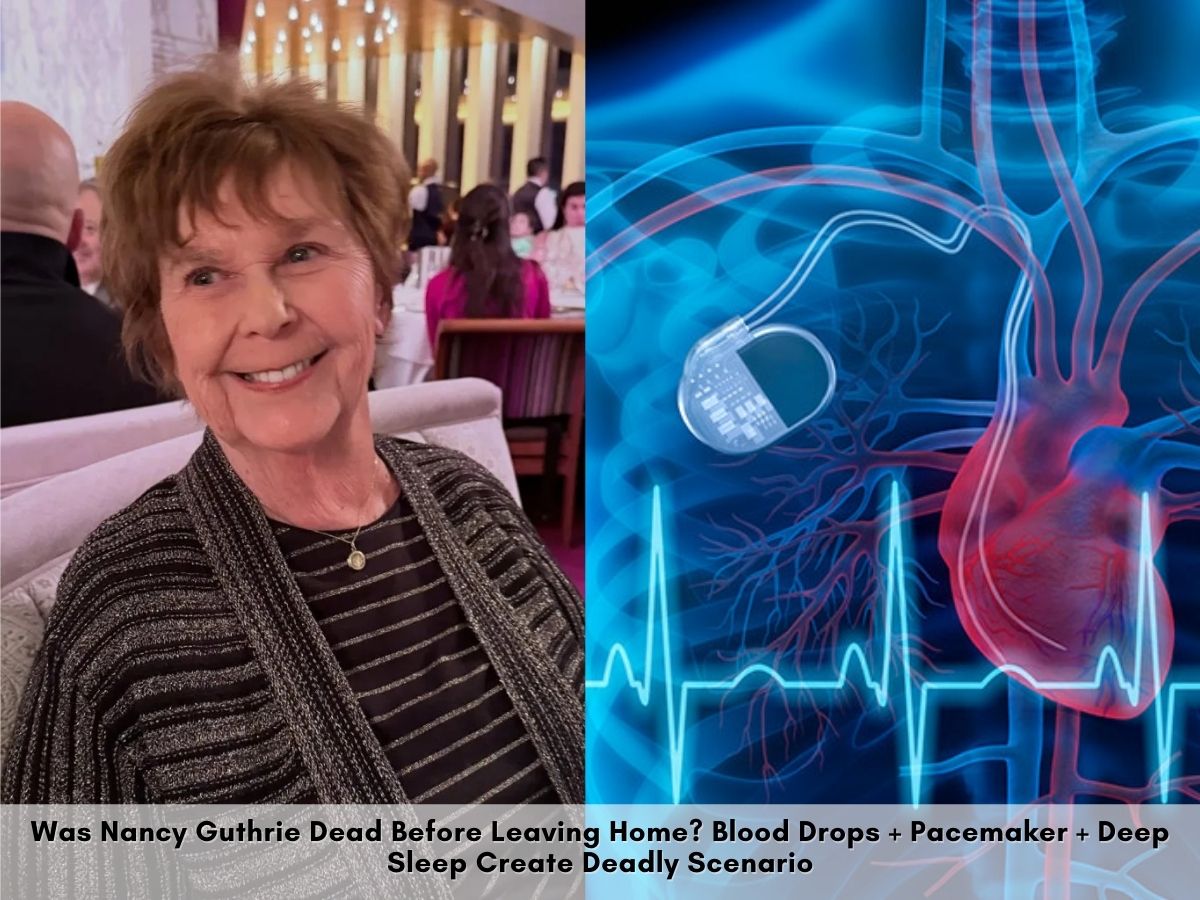
Nancy Guthrie Sleep Expert: 2AM Abduction Could Likely Trigger Deadly Heart Attack in Pacemaker Patient (Image: File)
A sleep specialist examining Nancy Guthrie's suspected early-morning abduction warned that the 84-year-old pacemaker patient could have faced immediate mortal danger when abruptly awakened around 2 a.m., plunging her disoriented brain into confusion that could trigger cardiac arrest. On Nancy Grace's Crime Stories podcast, Pat Byrne explained how sleep inertia—the groggy transition from deep slumber to consciousness—left Guthrie vulnerable during the critical minutes when doorbell footage captured a masked intruder tampering with her camera.
Sleep expert Pat Byrne detailed how human brains don't snap from deep sleep to full awareness, especially at 2 a.m. when most people hit REM dream states or deepest non-REM slumber. "Our human brains do not go from fully asleep to fully awake," Byrne told Nancy Grace. Guthrie likely experienced profound disorientation—unable to process threats, recognize danger, or mount fight-or-flight responses—precisely when abductors struck her Catalina Foothills home.
Guthrie's known heart condition and pacemaker placed her at "very high risk of a heart attack" when violently roused, according to Byrne. Scientific research documents elderly patients—even without cardiac history—suffering sudden cardiac events from abrupt awakenings. "That concerned me immediately," the sleep doctor emphasized, noting Guthrie's medical vulnerability multiplied the sleep inertia threat during those first confused minutes after the doorbell intruder appeared.
Investigators found Guthrie's blood droplets on her front stoop—classic "donut shape" patterns forensic pathologist Dr. Michael Baden identified as coming from nose or mouth mixed with air. The spots suggest bleeding from hands or face area, though police haven't clarified if Guthrie exited alive, walked willingly, or got carried. No forced entry shows, but blood plus sleep science raises grim possibility she suffered medical crisis during/after the abduction encounter.
Byrne pinpointed 2 a.m. as peak deep sleep hours, maximizing disorientation risk. Doorbell footage shows masked man tampering shortly before presumed abduction window—perfect moment to catch sleeping target maximally vulnerable. Sleep specialists underlined that elderly cardiac patients have the highest mortality rate when shocked awake, putting Guthrie's final minutes as a medically risky confluence of biology and criminal potential.
A: Deep non-REM sleep or REM dream state—both cause maximum sleep inertia confusion.
A: Violent awakening triggers cardiac stress; elderly with heart conditions face highest mortality.
A: Nose/mouth bleeding mixed with air bubbles, per forensic pathologist Dr. Michael Baden.
A: Unclear—no confirmation if she walked out, got carried, or suffered medical event during abduction.
Disclaimer: This information is based on inputs from news agency reports. TSG does not independently confirm the information provided by the relevant sources.
