Satellite images and the IAEA confirm damage at Iran’s Natanz nuclear site after US-Israeli military strikes, with no expected radiological risk.
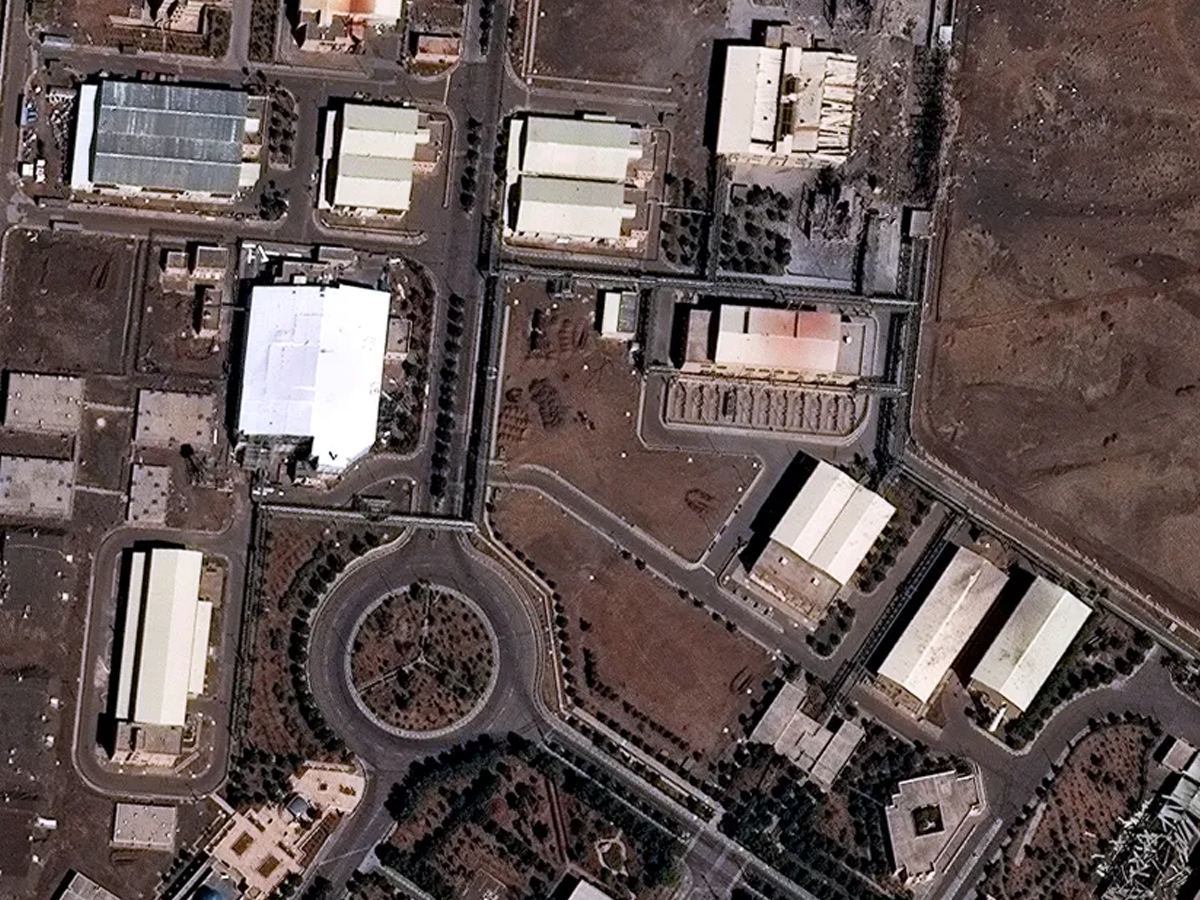
Observers note that while the underground fuel enrichment areas are heavily fortified and not directly visible in the photos, the damaged access routes could hinder operations and logistics. (Photo: Social Media)
Newly released satellite photographs analyzed by independent firms confirm structural damage at Iran’s key Natanz nuclear enrichment complex after recent military strikes by the United States and Israeli forces. The images show damage to multiple buildings and entry points compared with imagery taken days earlier, offering the clearest visual evidence yet of the impact on Iran’s nuclear infrastructure.
High-resolution images captured in early March display visible changes at the complex outside central Iran. Several surface buildings, including those linked to personnel movement and vehicle access, show signs of destruction that experts say are consistent with explosive impacts. These access structures are crucial for transporting equipment and materials to the underground enrichment halls.
Observers note that while the underground fuel enrichment areas are heavily fortified and not directly visible in the photos, the damaged access routes could hinder operations and logistics.
The International Atomic Energy Agency (IAEA), the United Nations’ nuclear watchdog, reviewed the latest satellite data and officially confirmed “some recent damage” to entrance buildings at the Natanz underground Fuel Enrichment Plant (FEP). “No radiological consequence expected and no additional impact detected at FEP itself, which was severely damaged in the June conflict,” the agency stated on its official X (formerly Twitter) account.
This assessment aligns with statements from multiple news reports indicating that while above-ground structures suffered damage, the facility’s core enrichment equipment, located deep underground, did not experience detectable radiological release or contamination.
Natanz is Iran’s main uranium enrichment site and a central pillar of its nuclear program. The facility houses thousands of centrifuges used to enrich uranium, a process that can produce fuel for reactors or, at higher levels, materials usable in weapons.
Though Natanz was hit previously during intense Israeli airstrikes in June 2025, the new imagery provides the first widely confirmed evidence of damage linked to the latest escalation in the long-running conflict between Iran, Israel, and the United States.
Analysts say that targeting entrances and surface structures can disrupt plant operations because it complicates access for technicians and transport vehicles. Even if the underground enrichment halls remain intact, blocked or damaged access routes can slow or halt critical work.
However, with the IAEA’s confirmation that no radiological effects are expected, fears of a nuclear contamination event in the region have eased somewhat. The nuclear watchdog continues monitoring the situation and urging restraint in military actions near nuclear facilities.
The confirmed damage at Natanz comes as US-Israeli military operations target multiple strategic sites in Iran amid ongoing hostilities in the Middle East. Satellite imagery also shows harm to other Iranian military installations, and strikes have been reported beyond Iran’s borders.
Iran has retaliated with missile and drone attacks against Israeli and US assets, escalating a conflict that has already resulted in significant casualties on all sides. Independent observers say the spiraling exchange highlights the risks of warfare near critical infrastructure, including nuclear and energy facilities.
