Nepal election results 2026 show Balen Shah defeating former PM KP Sharma Oli by a huge margin as the Rastriya Swatantra Party leads across the country.
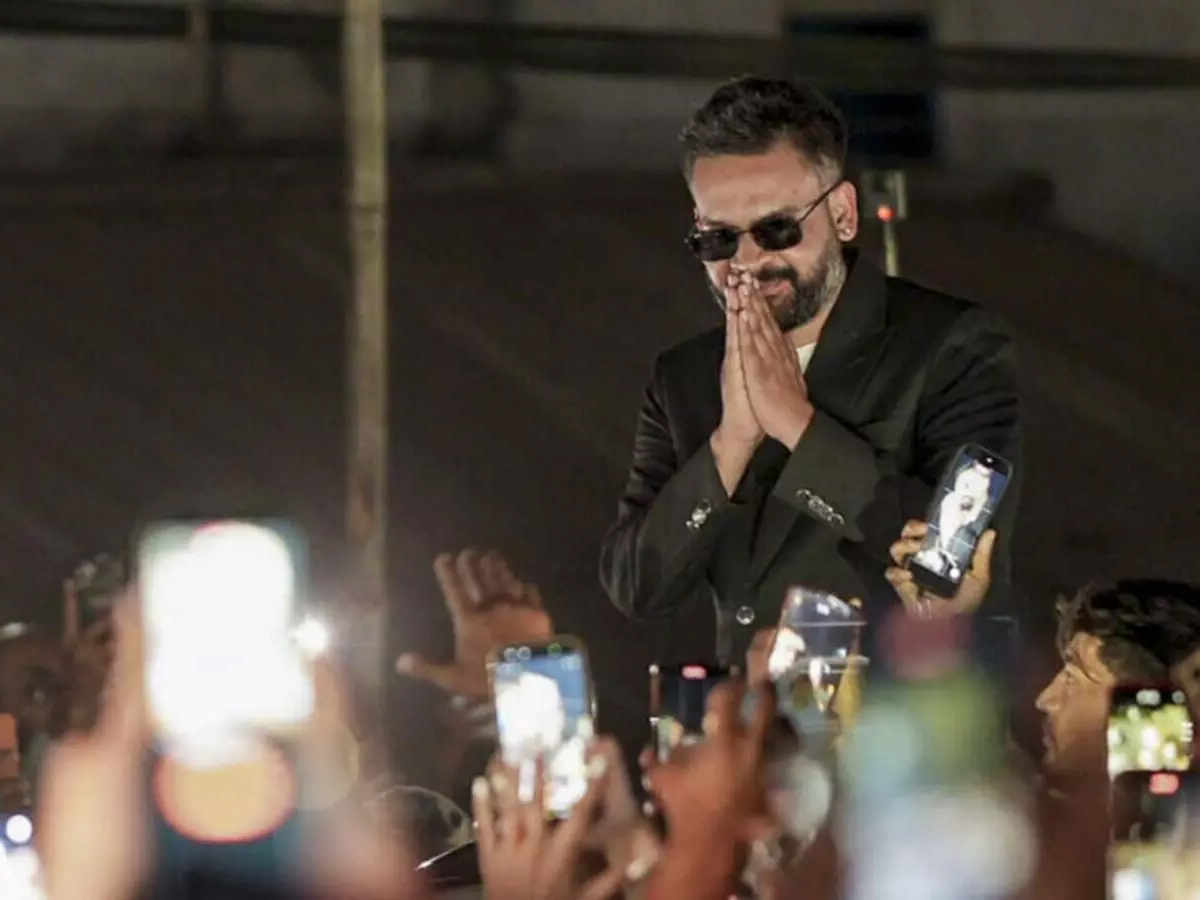
Despite the intense rivalry during the campaign, Oli reacted gracefully to the defeat and publicly congratulated his opponent.
Nepal’s political landscape appears to be undergoing a major transformation after early results from the March 5 parliamentary elections showed a dramatic surge for the Rastriya Swatantra Party (RSP). The relatively new political force, founded in 2022 by Ravi Lamichhane, has taken a commanding lead in the ongoing vote count, signalling a shift away from the country’s traditional parties.
According to data released by the Election Commission, the RSP had already won 77 of the 97 seats declared by 9:30 pm. The party was also leading in dozens of other constituencies across the country, putting it on course for a potentially historic victory in Nepal’s House of Representatives.
Political analysts say the results highlight strong public support for a new generation of leaders, with voters demanding reforms, transparency, and a stronger fight against corruption.
One of the biggest surprises of the election came from the Jhapa-5 constituency, where 35-year-old Balen Shah defeated veteran politician and four-time Prime Minister KP Sharma Oli.
Election Commission figures showed Shah winning 68,348 votes, far ahead of Oli’s 18,734 votes. The result stunned many observers because Oli has long been considered one of Nepal’s most powerful political figures.
Despite the intense rivalry during the campaign, Oli reacted gracefully to the defeat and publicly congratulated his opponent.
Oli took to social media to congratulate "Balen babu," wishing him a successful five-year tenure and sharing a nostalgic photo of a gift he once gave the younger politician.
The victory has strengthened Shah’s position as the most popular candidate for the post of Prime Minister if the RSP forms the government.
The Rastriya Swatantra Party’s success was especially visible in the Kathmandu Valley, where the party delivered a clean sweep of all 15 parliamentary seats.
The party won every seat in Kathmandu district, which includes ten constituencies, marking one of the most dramatic electoral victories in the region’s recent political history.
Beyond the capital, the RSP also made major gains in other provinces. Early results showed the party leading in 48 constituencies nationwide, reinforcing what supporters have called the “Balen wave.”
The momentum also spread to the Madhesh province, where Shah campaigned with the slogan Ab ki bar Balendra Sarkar and highlighted his connection to the region as the "son of Madhesh."
The party has already secured eight seats in the province and is leading in 22 more constituencies, further weakening traditional political strongholds.
While the RSP surged ahead, established parties struggled to maintain their traditional voter base.
According to Election Commission data, the Nepali Congress (NC) managed to win 11 seats and was leading in seven additional constituencies. The Communist Party of Nepal-Unified Marxist Leninist (CPN-UML) secured five seats and held leads in seven others.
The Nepal Communist Party (NCP) won two seats and was ahead in five constituencies, while the Shrama Shakti Party (SSP) led in three seats. The Rastriya Prajatantra Party (RPP) won one seat, and an independent candidate also secured victory.
Observers say the results reflect growing public frustration with long-standing political elites and a demand for fresh leadership.
Nepal recorded an estimated voter turnout of around 60 percent during the March 5 elections for the House of Representatives. Election officials confirmed that voting took place peacefully across most parts of the country, with millions of citizens participating.
International leaders also responded to the successful conduct of the election.
Prime Minister Narendra Modi extended his congratulations to the people and government of Nepal for the successful conduct of the polls. In a post on X, Modi described the vibrant exercise of democratic rights as a "proud moment" and a historic milestone.
He reaffirmed India's commitment as a close neighbour to work with the new government to achieve shared peace and prosperity, reflecting New Delhi's interest in a stable administration in Kathmandu.
As vote counting continues, the Rastriya Swatantra Party’s strong performance suggests that Nepal may soon witness a significant political transition led by a new generation of leaders.
