A viral photo of Israeli PM Benjamin Netanyahu with tape on his phone camera ignites debate on digital security and privacy. Experts explain the precaution and what it means for users.
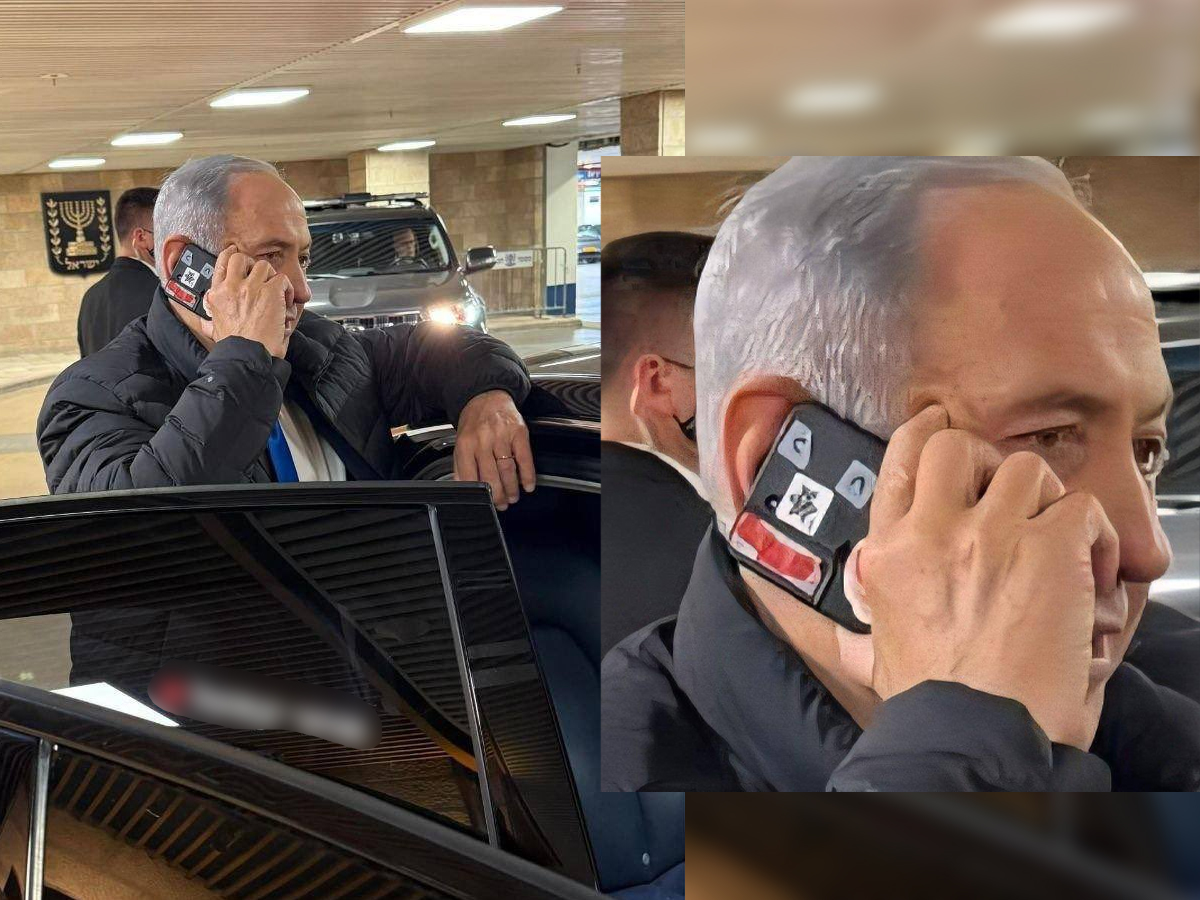
A recently circulated photo of Israeli Prime Minister Benjamin Netanyahu on a phone call with the camera section covered by tape has sparked widespread talk online about digital security and privacy. The image, shared widely on social media platforms, shows Netanyahu leaning against a vehicle while speaking on his smartphone with a section of the rear camera area obscured by what appears to be tape or a sticker.
The striking visual prompted viral reactions, with many people questioning why the camera was covered and what it might imply for everyday smartphone users. Tech influencers and general users alike weighed in, making the snapshot one of the most discussed digital privacy posts this week.
The photo went viral after business influencer Mario Nawfal shared it with the caption, “Why does Netanyahu have tape over his phone camera? Who’s he worried about? Also, if the Prime Minister of Israel feels the need to do it, then what does that mean for the average person?”
🇮🇱 Why dos Netanyahu have tape over his phone camera? Who’s he worried about?
Also if the Prime Minister of Israel feels the need to do it, then what does that mean for the average person? pic.twitter.com/DVznM7uNBO— Mario Nawfal (@MarioNawfal) January 27, 2026
Experts say this is not necessarily a personal choice but a standard security protocol in sensitive environments. Reports suggest that officials and visitors entering classified areas often have tamper‑evident stickers placed over their devices to block cameras and prevent accidental or unauthorized imaging of restricted information.
Such stickers are designed so that removing them leaves visible damage, making them effective for enforcing no‑photography rules and safeguarding sensitive material in secure zones.
Covering a phone’s camera lens with tape or a sticker physically blocks the camera from capturing images or video, even if malware or spyware gains access to the device. This low‑tech step provides an extra barrier against secret recordings and visual hacking attempts.
Cybersecurity experts note that while modern phones have software protections, malicious actors can still find ways to exploit vulnerabilities. Simple physical covers ensure that no image can be captured without the camera physically seeing darkness, rendering any unauthorized access useless.
The image struck a chord because it comes amid rising concerns over digital surveillance and spyware threats. State‑sponsored hacking groups and advanced spyware tools have repeatedly targeted high‑profile figures and officials around the world.
In recent months, alleged hacks on senior Israeli officials’ devices have added fuel to these fears, with some groups claiming access to phones in government circles. Although these claims are often contested, they highlight the ongoing battle between cybersecurity and digital espionage.
For many ordinary users, seeing a world leader take even basic precautions prompted a fresh look at how they protect their own devices. Physical camera covers, limiting app permissions, and regular software updates have become part of broader discussions about personal digital hygiene.
While high‑ranking officials may have specific protocols imposed on them in secure contexts, experts suggest that everyday users can take practical steps to improve their privacy. Covering cameras isn’t a requirement for most people, but being mindful of app permissions and profile vulnerabilities can help reduce risks from spyware and unauthorized access.
Regardless of the cause behind the tape on Netanyahu’s phone camera, the debate highlights how digital security concerns are no longer limited to tech experts — they now touch everyday conversations about privacy in an increasingly connected world.
