
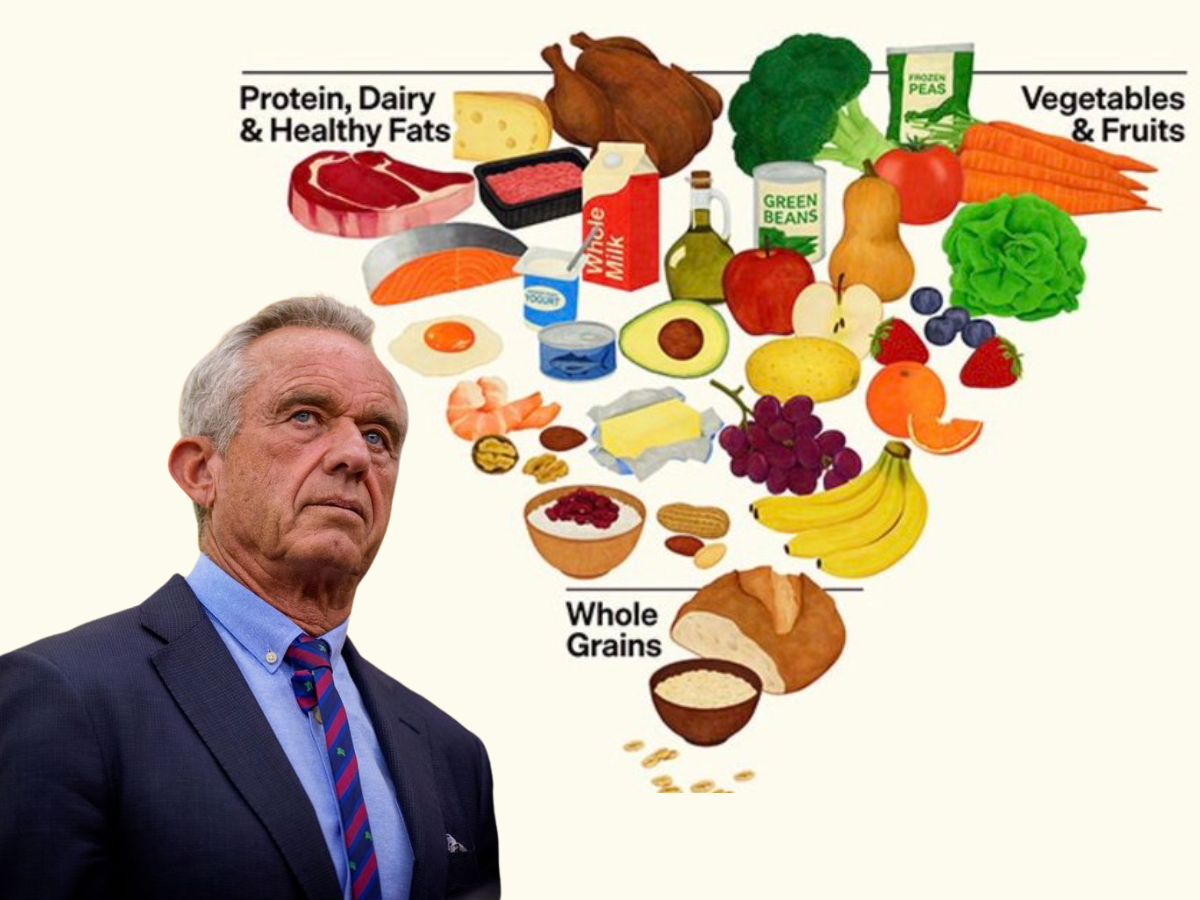
New Food Pyramid 2026: The United States of America has launched a massive update to the federal nutrition guidelines to give way to the MAHA Dietary Guidelines or Make American Healthy Again. According to Health Secretary Robert F. Kennedy Jr., three key changes include an increased focus on protein, minimizing sugar consumption and reducing the intake of ultra-processed foods. The new dietary guideline also stresses moderation in alcohol consumption with whole foods as the key to an American meal.
BREAKING: The Trump Administration announces the 2025-2030 Dietary Guidelines for Americans, putting REAL FOOD back at the center of health. 🇺🇸https://t.co/tkGF01onpm pic.twitter.com/1zTLSKdE7R
— The White House (@WhiteHouse) January 7, 2026
What is Dietary Guidelines for Americans?
The Dietary Guidelines for Americans are evidence-based, federal recommendations aimed at promoting health, ensuring adequate nutrition and lowering the risk of chronic diseases linked to diet. These guidelines, which are updated every five years by the USDA and HHS, guide public nutrition programs, school meals and medical recommendations, impacting Americans eating habits from childhood to adulthood.
What are the New Dietary Guidelines Issued for Americans?
- Prioritize protein intake based on body weight as 1.2–1.6 grams per kilogram daily.
- Increase consumption of whole foods including dairy, healthy fats, fruits, vegetables and whole grains.
- Minimize ultra-processed foods such as packaged snacks, sugary beverages and ready to eat meals.
- Relax previous restrictions on alcohol but advise moderation for health benefits.
- Emphasize full-fat dairy products instead of low-fat options.
- Infants should be breastfed for six months or use iron-fortified formula and breastfeeding can continue up to two years.
- Added sugars should be avoided in children through age ten.
How are the Guidelines Made?
The USDA and HHS hold a meeting of a scientific advisory committee of experts to review the best new research every five years. Their advice combines findings of observational research and clinical trial research. The advice directs policymakers, physicians and nutritionists to inform school menus, public assistance programs such as SNAP & WIC and nutritional advice for families and individuals. Kennedy has encouraged a new set of guidelines that are shorter-term and emphasize whole, less processed foods and reject the traditional low-fat diet thinking.
How are MAHA Dietary Guidelines Different From the Old Food Pyramid?
- Protein recommendations are now based on body weight (1.2–1.6 g/kg daily) instead of calorie percentages (5–35% of daily calories).
- Encourages full-fat dairy over low-fat or fat-free options for adults and children over two.
- The pyramid is inverted, prioritizing protein, dairy, vegetables and healthy fats at the top.
- Strong emphasis on limiting ultra-processed foods such as chips, cookies, sugary drinks and ready to eat meals.
- Added sugars and excessive sodium are explicitly discouraged.
- Fruits, vegetables and whole grains are clearly quantified with specific daily servings with 3 cups dairy, 2–3 cups vegetables, 2 servings fruit, 2–4 servings whole grains.
- Visual guidance is simplified and more direct, replacing calorie-based diagrams with nutrient-focused recommendations.
- Alcohol consumption continues to be recommended in moderation, though previous formal limits were lifted.
- Focus on real, nutrient dense foods rather than processed substitutes or fortified products.
- Reflects research backed updates on fats, sugars and protein for better long-term health outcomes.
What are the Restrictions?
- Avoid ultra-processed foods like chips, cookies, sugary drinks.
- Keep saturated fat under 10% of daily calories.
- Alcohol moderation advised despite lifted formal limits.
- Added sugars avoided in children under 10.
- Formula for infants stopped after 12 months if breastfeeding not used.




