EU lawmakers halt ratification of the US-EU trade deal after Trump's Greenland and tariff threats, deepening transatlantic tensions and risking broader economic fallout.
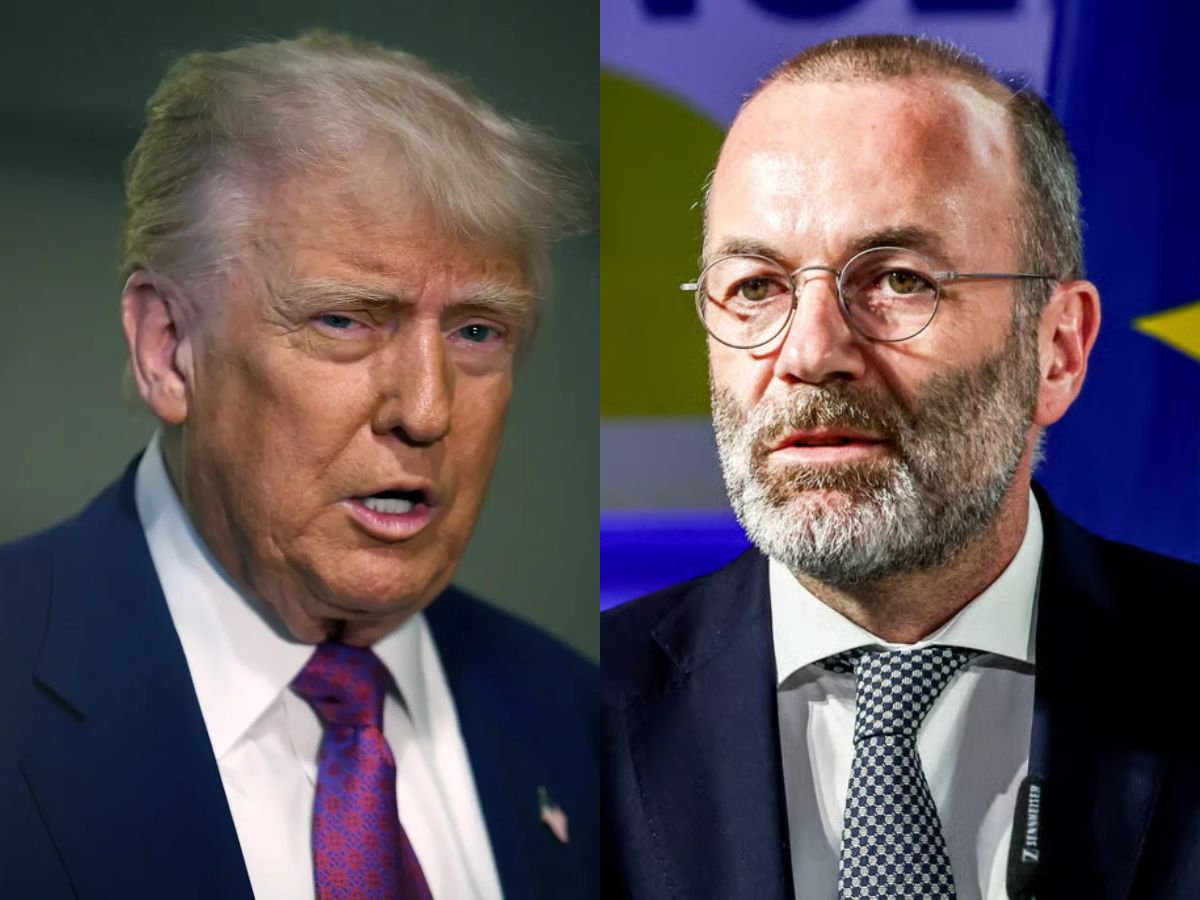
EU lawmakers halt ratification of the US-EU trade deal [Photo: X]
European Union lawmakers have taken the unusual step of pausing work on a major trade agreement with the US in response to threats tied to Greenland. Lawmakers say President Donald Trump's recent tariff warnings and pressure over the Danish territory's sovereignty have made continuing the pact impossible for now.
This move adds another layer of strain to already tense transatlantic relations, as both sides weigh diplomatic, economic, and security priorities.
The EU and US agreed last July on a broad trade deal aimed at lowering tariffs and expanding market access for goods on both sides of the Atlantic. But the European Parliament has now suspended its ratification process indefinitely. The deal still requires approval from MEPs before becoming law.
Critics in Europe say Trump’s recent threats to impose tariffs as high as 10–25% on several European nations over their opposition to his bid to acquire Greenland go beyond acceptable diplomatic pressure. The European Parliament’s trade committee chair said the threats “undermine the stability and predictability of EU-US trade relations.”
Bernd Lange, chair of the European Parliament’s Committee on International Trade, made the bloc’s frustration clear. “By threatening the territorial integrity and sovereignty of an EU member state and by using tariffs as a coercive instrument, the US is undermining the stability and predictability of EU-US trade relations,” he said. “We have been left with no alternative but to suspend work… until the US decides to reengage on a path of cooperation rather than confrontation.”
Centre-right leader Manfred Weber also weighed in, warning that without clarity on political reliability, there will be “no ratification, no zero percentage tariff access to the EU for US products.”
The trade deal freeze is directly tied to Trump’s controversial position on Greenland, an autonomous Danish territory, which he has publicly discussed and linked to national security interests. His administration has suggested tariffs on European nations that oppose his push for negotiations on Greenland’s future.
Lawmakers stress that territorial integrity and sovereignty issues must be resolved before economic agreements can progress. The situation has transformed a commercial pact into a broader geopolitical dispute.
The suspension of the trade deal has ripple effects. Already implemented parts of the agreement, such as tariff adjustments, may stay in place, but full legal backing cannot move forward without EU approval.
European Commission President Ursula von der Leyen has expressed a commitment to “unity, urgency and determination” in defending European interests, saying that while Europe prefers dialogue, it is prepared to act if needed.
EU leaders are expected to discuss the matter at a special summit, exploring options including retaliatory tariffs against the US. Lawmakers are also considering activating the bloc’s “anti-coercion instrument”, a powerful tool designed to counter external economic pressure.
For now, the trade deal’s fate hangs in the balance. The freeze underscores how geopolitical disputes can quickly spill into economic agreements, forcing lawmakers to balance trade interests with national sovereignty and alliance stability.
