China’s political and military leadership remains stable with no evidence of coups or armed clashes, according to multiple sources and analysts, amid investigations into senior PLA officials and heightened overseas speculation.
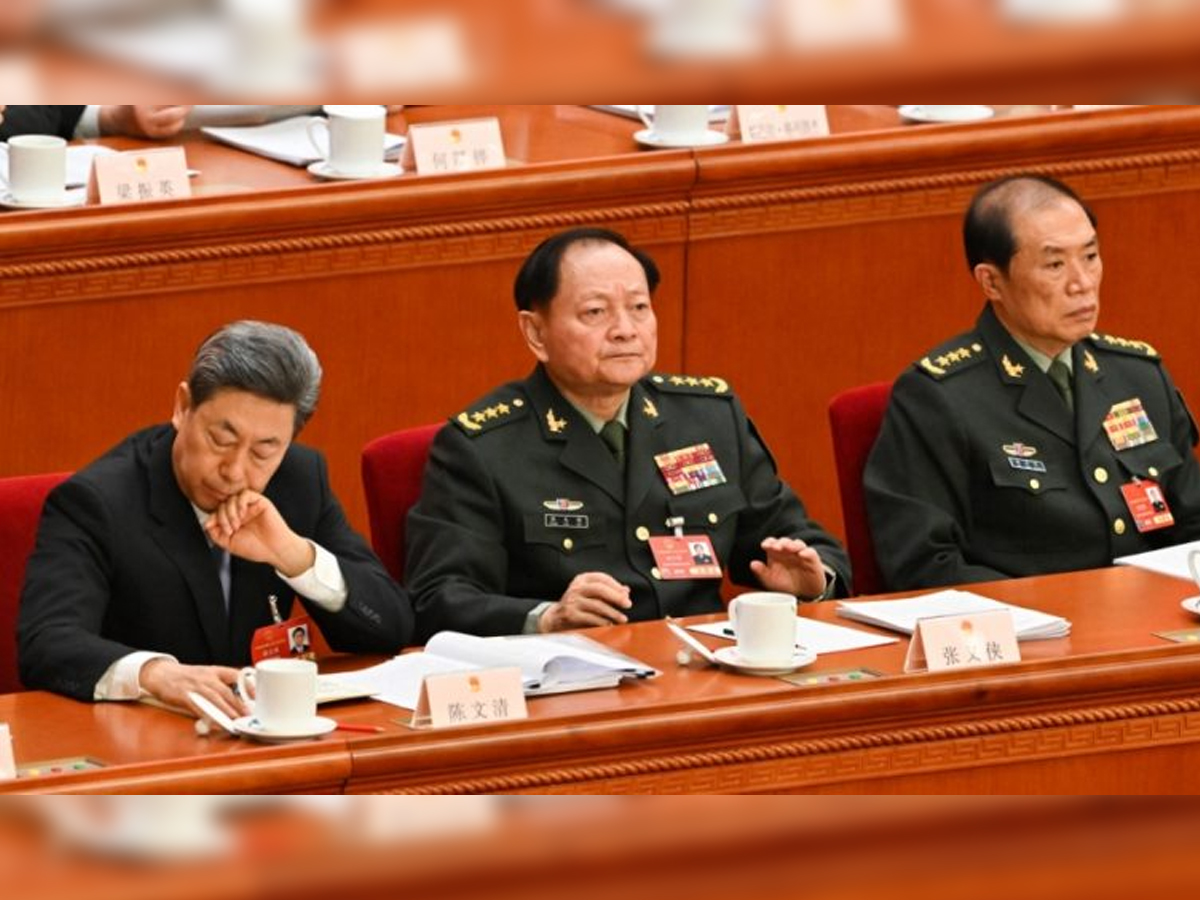
Sources stressed that this lack of visibility reflects the opacity of the system rather than signs of instability. (Photo: AFP)
New Delhi: China’s political and military leadership remains stable, with no evidence of armed confrontation, coups, or violent infighting in Beijing, according to multiple people familiar with the situation and others monitoring developments inside the country.
Independent journalist Zhao Lanjian, who lives outside China and is known for reporting on internal military and political developments, said claims of gunfights, military clashes, or a violent power struggle circulating in some overseas media are false. Zhao first reported the detention of several senior Chinese generals months before Beijing officially confirmed those cases, and his past disclosures on China’s military power structure later aligned with official announcements.
“There has been no indiscriminate shooting, no armed conflict, and no violent confrontation between military factions,” Zhao said, citing conversations with individuals connected to China’s military system and families of serving or retired senior officers.
According to Zhao and other sources aware of the developments, civilian political circles—including central ministries and provincial-level officials—have limited access to information about internal military matters and are themselves seeking clarity.
Sources stressed that this lack of visibility reflects the opacity of the system rather than signs of instability.
People with knowledge of the military told The Sunday Guardian that serving personnel have either declined to speak or communicated in cautious and vague terms.
Several people monitoring the situation said the prevailing internal assessment points to quiet and procedural adjustments within the People’s Liberation Army. These may include the accelerated promotion of younger officers, particularly at the rank of major general and possibly senior colonel, as part of broader personnel realignments rather than conflict-driven action.
Recent speculation has focused on Zhang Youxia, a senior general and Vice Chairman of China’s Central Military Commission, the body that commands the armed forces.
Zhang was one of seven members of the Central Military Commission, the highest decision-making body overseeing China’s armed forces. With Zhang and Joint Staff chief Liu Zhenli placed under investigation, multiple people familiar with the system said the commission has been functionally hollowed out, even if not formally dissolved. They said only Xi Jinping, who chairs the commission, and Zhang Shengmin, the senior officer in charge of military discipline and anti-corruption enforcement, are currently exercising clear and uncontested authority within the CMC’s core leadership.
Sources said this concentration of control has fueled external speculation, despite reflecting disciplinary centralization rather than institutional collapse.
After a period of official silence on his whereabouts, Chinese authorities subsequently issued a formal statement on Zhang’s status. China’s Ministry of National Defense announced that Zhang and Liu Zhenli, chief of staff of the Central Military Commission’s Joint Staff Department, were placed under investigation for “suspected serious violations of discipline and law.” The ministry did not provide details of the allegations.
An editorial published by Liberation Army Daily, the official newspaper of the PLA, stated that Zhang and Liu had “seriously betrayed the trust and expectations” of the Communist Party and the Central Military Commission and had fostered “political and corruption problems” that undermined the Party’s absolute leadership over the military.
Zhao and others monitoring developments also pointed to the role of Falun Gong-affiliated overseas media outlets.
Falun Gong, a religious movement banned in China since 1999, operates several media platforms outside the country that are openly hostile to the Chinese Communist Party. According to Zhao, some of these outlets have circulated unverified claims describing violent power struggles that are not supported by observable facts.
People tracking conditions inside China said there have been no signs of social unrest, military disruption, or instability that would normally accompany a violent internal crisis.
Sources cautioned that some of these overseas narratives have influenced external assessments, including reactions by U.S. officials, despite the absence of corroborating evidence of violence or institutional breakdown. They said temporary loss of visibility or contact with senior Chinese military figures should not be interpreted as proof of armed conflict or factional warfare.
Multiple sources independently said Xi Jinping, who serves concurrently as Communist Party general secretary and chairman of the Central Military Commission, retains firm control over the party, state, and military apparatus.
Other people familiar with elite sentiment within the country said conversations within revolutionaryfamily and military-linked circles reflect growing discouragement and a sense of rigidity under an increasingly centralized system, rather than organized resistance.
“There is frustration and powerlessness, not rebellion,” one person monitoring the situation said.
Sources said claims of gunfights, coups, or armed clashes circulating outside China are not supported by verifiable evidence and should be treated as speculative rather than evidencebased reporting
