
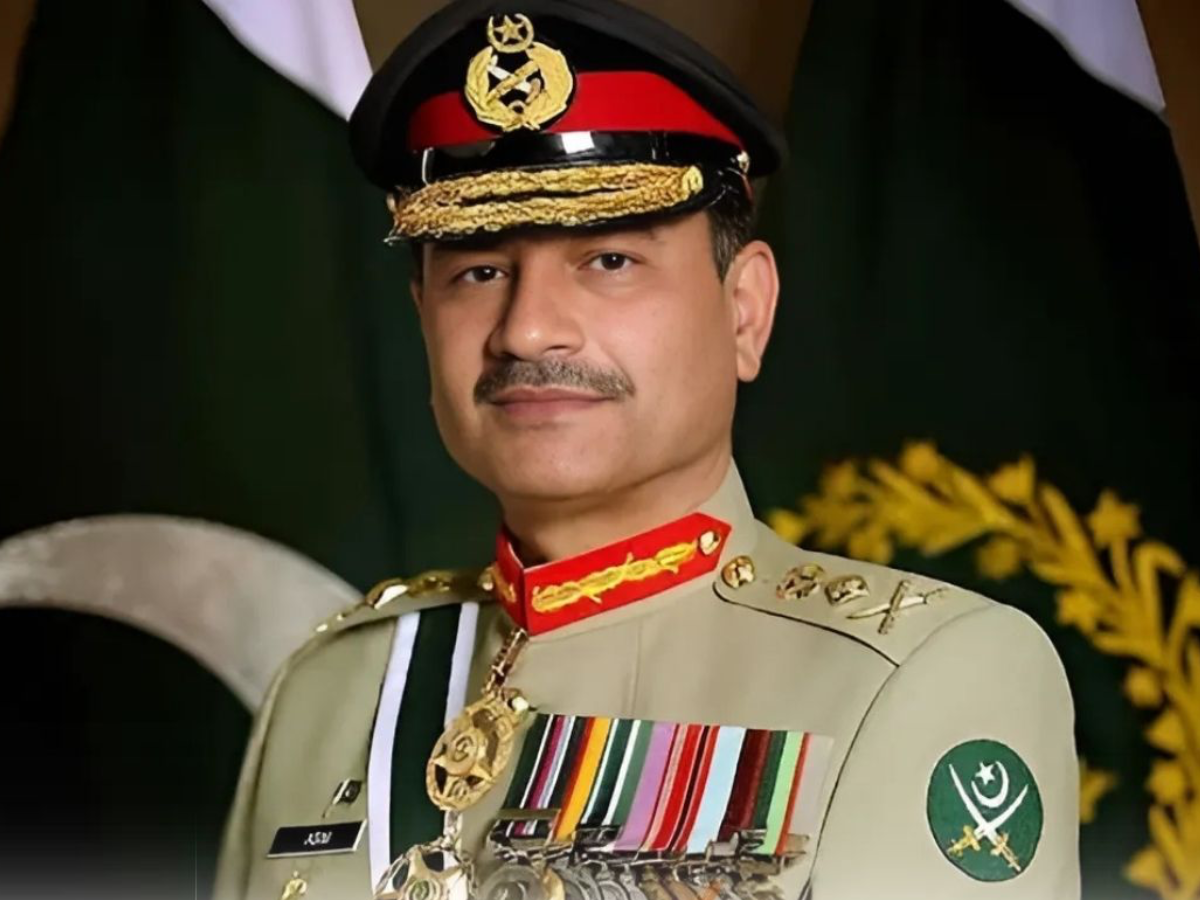
NEW DELHI: In the two years between the storming of its military compounds in May 2023 and the aftermath of the Pahalgam massacre that led to Operation Sindoor in May 2025, the public image of the Pakistan Army has undergone a sharp transformation, as did the standing of its chief, Asim Munir.
In May 2023, the Pakistan Army was at its lowest point. On 9 May 2023, following the arrest of Imran Khan, protesters attacked military-linked sites across the country, with demonstrators breaching the General Headquarters in Rawalpindi and setting fire to the Corps Commander’s residence in Lahore.
Though these installations were not structurally destroyed, the symbolism was extraordinary. For the first time in decades, crowds directly targeted the institutional nerve-centre of the armed forces.
The scenes punctured the army’s aura of invulnerability, with social media criticism of the military and Munir surging to an unprecedented level.
Munir, who had taken charge in late 2022, became central to that debate. In opposition narratives, he was cast as the architect of the post-9 May crackdown and the driving force behind a hard line against the Pakistan Tehreek-e-Insaf. His standing in pre-Pahalgam years was characterized as that of a political enforcer rather than a conventional army chief. International commentary frequently framed his tenure as marked by shrinking civic space and intensified civil-military tensions. By early 2025, the Pakistan Army’s legitimacy was being more openly contested than at any point in recent memory.
However, the terror attack in Pahalgam, executed by Lashkar-e-Taiba and guided by the Pakistani deep state, led to India’s cross-border strikes under Operation Sindoor on 7 May, which dramatically shifted the domestic conversation and criticism of Munir and the army from internal political confrontation to external defence.
Within Pakistan, television networks and major newspapers carried detailed accounts of what officials described as successful retaliation to India’s airstrikes and strategic restraint. The dominant narrative that emerged in pro-state segments was that the army had absorbed pressure, responded decisively and prevented escalation on its own terms.
The political consequences were immediate. The intensity of anti-army mobilization seen in 2023 did not reappear. Public expressions of solidarity with the armed forces increased in nationalist constituencies. The institution’s traditional legitimacy base, defence against India, was reactivated.
For Munir, the shift translated into tangible institutional reward. On 20 May, the federal cabinet approved his promotion to Field Marshal, the highest military rank in Pakistan, making him only the second officer in the country’s history to hold the title. The government described the elevation as recognition of his leadership during the crisis. Later in the year, he was appointed as Pakistan’s first Chief of Defence Forces, a newly created joint-command position consolidating authority over the armed services, signalling a total subsumption of the civilian government by the military establishment, moving past “hybrid governance” into a formalized military-centric state. The elevation marked a striking contrast with the atmosphere two years earlier, when military compounds were under attack and the army chief faced sustained public anger in opposition strongholds. The external confrontation allowed Munir to reposition himself from embattled domestic actor to crisis commander. Within establishment circles, his authority appeared consolidated and his tenure secured.
From vandalised gates in Rawalpindi to a Field Marshal’s baton in Islamabad, the change in optics has been dramatic.




