ISI explores links with anti-Taliban groups as Kabul's India outreach worries Islamabad.
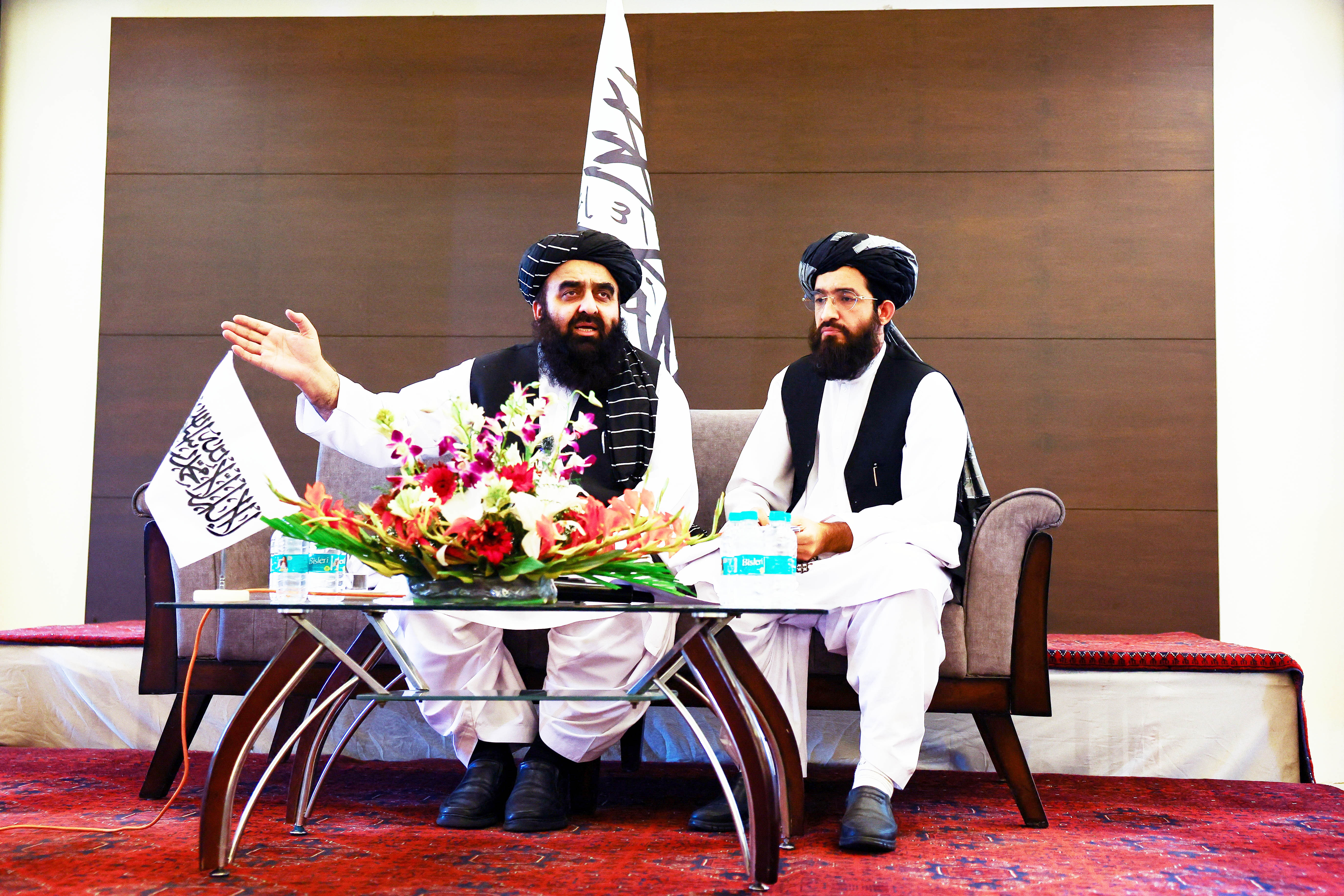
Pakistan’s ISI explores ties with Afghan opposition groups as Taliban relations strain over India outreach and TTP sheltering (Photo: File)
NEW DELHI: Fresh intelligence and regional diplomatic inputs confirm Pakistan's Inter-Services Intelligence (ISI) is exploring operational engagement with non-Taliban Afghan entities, as Islamabad reassesses its rapidly deteriorating relationship with the Taliban regime and weighs options to reshape the political balance in Kabul. Multiple sources familiar with regional security developments say Pakistan is no longer viewing the Taliban as a dependable strategic partner and is increasingly concerned by Kabul's independent foreign policy moves, particularly its expanding engagement with India.
Against this backdrop, the ISI is reportedly reactivating contacts with Afghan opposition figures and armed groups outside the Taliban framework—a shift that could potentially lay the groundwork for coordinated destabilization efforts and, in extreme scenarios, an attempt to engineer regime change.
According to individuals with knowledge of recent interactions, Pakistan has hosted or facilitated meetings involving Afghan opposition representatives in recent months, including those aligned with the National Resistance Front (NRF) led by Ahmad Massoud and factions linked to the Afghan Freedom Front under Yasin Zia. Some of these groups allegedly enjoy the support of Western entities. While a formal alliance structure remains unconfirmed, sources indicate Islamabad is exploring avenues to cultivate leverage over Kabul by strengthening non-Taliban pressure points inside Afghanistan.
The recalibration follows growing strain in Taliban-Pakistan relations, particularly over allegations that Kabul has been sheltering the Tehrik-e-Taliban Pakistan (TTP), whose attacks against the Pakistani military have sharply escalated. Pakistani security officials see the Taliban's refusal to act decisively against the TTP as a non-negotiable national security threat. However, what has caused the most concern for Islamabad is Taliban leadership's overt diplomatic outreach to India, with recent high-level meetings and public statements signalling a warming of ties between Kabul and New Delhi.
This evolving dynamic has reportedly triggered internal debate within Pakistan's security establishment over whether the Taliban, once seen as an asset ensuring strategic depth against India, have instead become a liability. Sources suggest that the ISI's current outreach to non-Taliban actors is driven by the objective of restoring influence in Afghanistan through indirect pressure mechanisms rather than direct military intervention.
Security analysts note that any attempt to destabilize the Taliban regime through proxy groups carries significant risk, including the possibility of renewed civil conflict, border volatility, and further refugee flows into Pakistan. Historically, Pakistan had a deep intelligence footprint in Afghanistan and demonstrated its capacity to influence shifts in power through covert means. However, how much of that capacity remains relevant now, in the wake of the Afghanistan intelligence GDI's focused approach, remains to be seen.
Sources said that these forces are aware of the dangers they will face for their contact with Pakistani intermediaries, including being perceived as a proxy project of Islamabad, a label that undermines their domestic legitimacy. However, some of them are in favour of this tactical engagement with Pakistan as their primary concern is to remove the Taliban from power.
While Pakistani authorities have not officially confirmed involvement in any destabilization campaign, recent patterns indicate a strategic pivot away from exclusive reliance on the Taliban. The emerging inputs suggest Islamabad is positioning itself to retain leverage in Afghanistan by diversifying its political and operational contacts, even if that entails supporting forces opposed to the current regime. The development marks a significant departure from Pakistan's post-2021 Afghanistan policy and signals that the Taliban's hold on power, though still firm, may increasingly face covert external pressure.
