Pakistan-Afghanistan War: Pakistan’s “open war” with the Taliban has closed borders, disrupted trade, and sharply increased prices of essential goods in both Pakistan and Afghanistan.
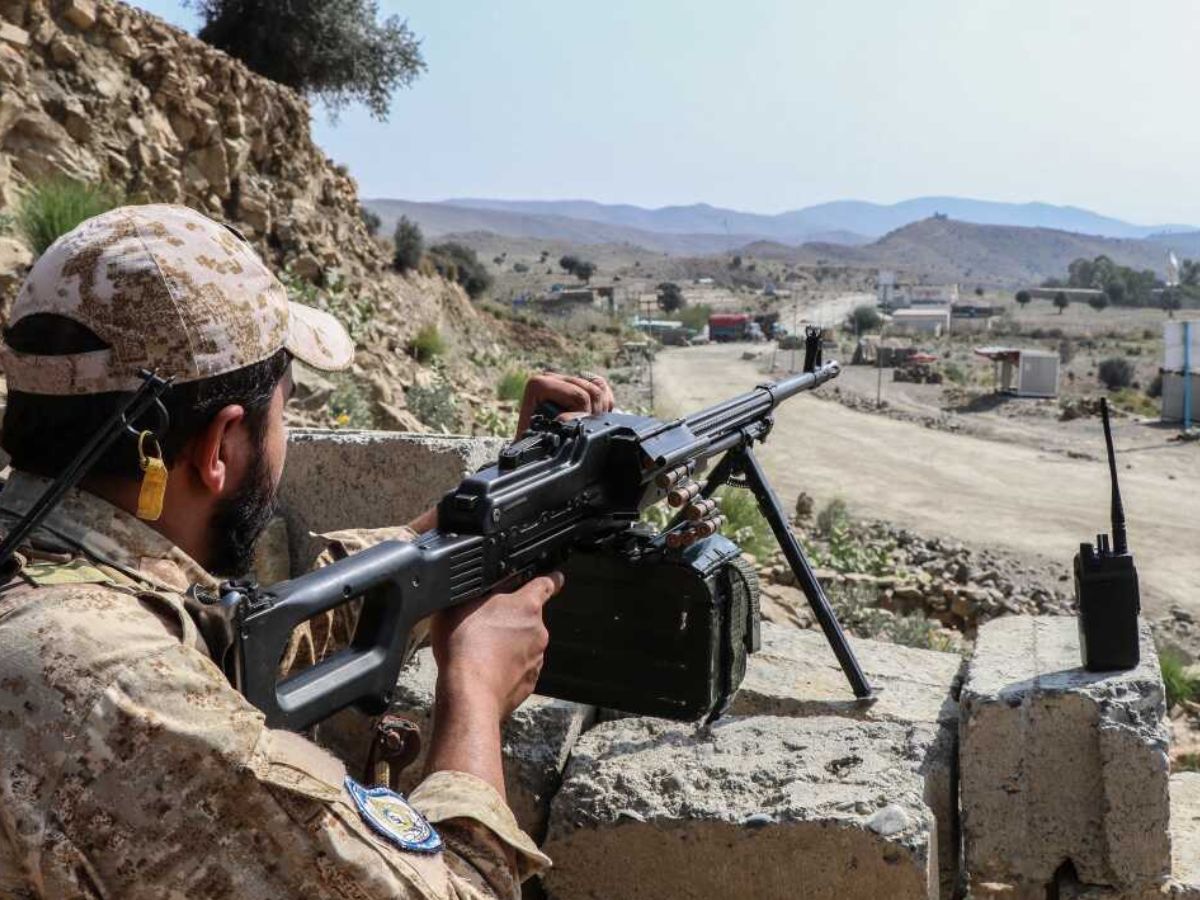
Pakistan Afghanistan War (source: X)
Pakistan-Afghanistan War: Pakistan has officially announced an "open war" against the Taliban administration after intense fighting along the border and airstrikes in Kabul and Kandahar. The sharp rise in tensions between Pakistan and Afghanistan has resulted in the suspension of trade ties and the closure of major crossings, including Torkham and Chaman.
These developments have severely disrupted economic activity on both sides of the 2,600-kilometre border. As a result, prices of many essential goods have surged, and key industries are under pressure.
After border tensions escalated in late 2025, trade routes between the two countries were blocked. Imports and exports slowed down or stopped completely. Security risks along the border further restricted movement of goods. Consequently, several commodities have become more expensive in Pakistan.
The closure of crossings like Torkham and Chaman has caused shortages of fresh produce that usually comes from or passes through Afghanistan.
Tomatoes: Prices have increased by more than 400%, touching nearly 600 PKR ($2.13) per kilogram in some markets.
Fruits: Apples and grapes imported from Afghanistan are now selling at much higher rates.
Onions, Garlic, and Ginger: These daily kitchen essentials have also recorded sharp price hikes.
Afghan coal, widely used by Pakistani industries, is no longer reaching factories. This has especially affected the cement sector. Manufacturers are now importing coal from South Africa and Indonesia at higher costs, raising overall production expenses.
Imports of dry fruits have slowed, pushing up market prices. At the same time, medical supplies have become costlier due to the halt in cross-border trade.
Basic goods such as sugar, rice, and dairy products are also seeing price pressure because of transport blockages and limited supply.
Cement manufacturers in northern Pakistan depend on affordable Afghan coal. With supplies cut off, production costs have increased. Exports have also slowed.
The textile sector is facing difficulties due to disruptions in cotton imports from Afghanistan.
More than 5,000 containers remain stranded at the border. This has caused heavy losses for traders and increased transportation costs.
In October 2025 alone, Pakistan’s exports to Afghanistan dropped by 57%. Industries in Punjab and Khyber Pakhtunkhwa provinces have been hit particularly hard.
The conflict is not affecting Pakistan alone. Afghanistan is also experiencing severe shortages and rising prices.
Afghanistan depends on Pakistan for nearly 14% of its direct imports. With land routes closed, many critical supplies are blocked.
Medicines and Pharmaceuticals: The Taliban has ordered a ban on Pakistani medicines and told traders to source alternatives from India and other regions. However, longer transport routes may increase costs.
Wheat and Flour: These staple foods are facing immediate supply shortages.
Sugar and Dairy Products: Essential household items that typically enter through Pakistani land crossings are now restricted.
Cement: A major export from Pakistan to Afghanistan is stuck at the border, with thousands of containers stranded.
Textiles and Manufactured Goods: Daily-use items dependent on transit trade through Pakistani ports are becoming scarce.
Some Afghan exports, such as coal and fruits, may see lower domestic prices because they cannot be exported easily. However, many other goods are becoming more expensive.
Fuel prices are rising due to military tensions and increased risk for transporters.
Items like tomatoes have previously seen price jumps of over 400% during similar border closures, and similar trends are emerging again.
To avoid Pakistani routes, Afghanistan is shifting trade through Central Asian nations such as Tajikistan, Uzbekistan, and Turkmenistan, as well as through Iran. However, these longer land corridors are more expensive, which increases final market prices.
Even before this "open war," nearly 95% of Afghan households did not have enough food. The current complete blockade is expected to worsen food insecurity. As prices of essential goods continue to rise, more families may face hunger and famine-like conditions.
In short, the Afganistan vs Pakistan conflict has moved beyond military clashes and is now severely affecting both economies. Border closures, airstrikes, and trade suspensions have triggered inflation, industrial disruption, and humanitarian risks on both sides. If tensions continue, the economic and social damage could deepen further in the coming months.
