Fresh airstrikes and retaliatory attacks have shattered the Pakistan-Afghanistan ceasefire, with both nations trading heavy accusations
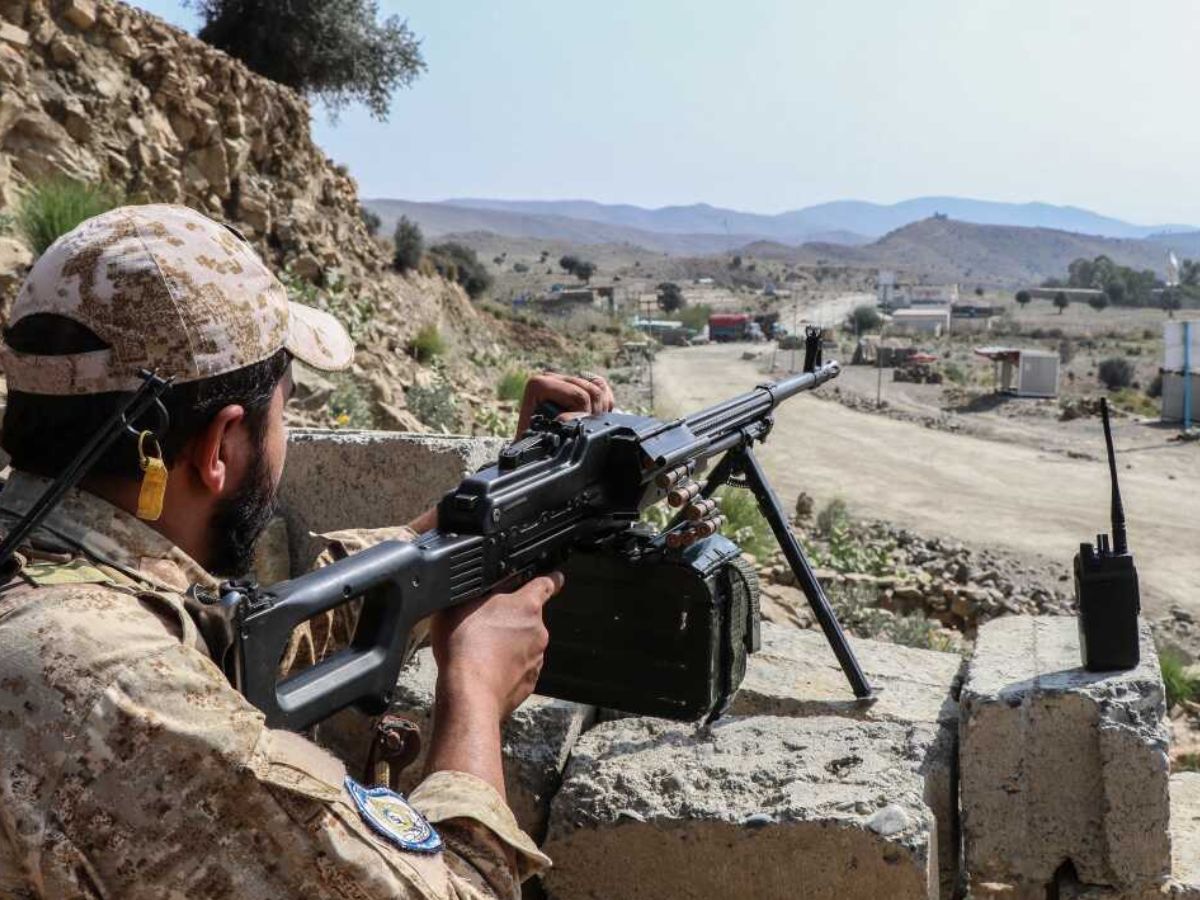
Pakistan Afghanistan War (source: X)
Pakistan Afganistan War: The latest surge in violence along the Pakistan Afghanistan border has severely shaken the ceasefire agreement brokered by Qatar and Turkey last year. Fresh airstrikes, cross-border attacks, and strong political statements have pushed both countries into a new phase of confrontation. Pakistan claims that its recent airstrikes killed over 130 Taliban operatives. However, Afghanistan has denied suffering any casualties in the strikes carried out in Kabul, Kandahar, and Paktia.
Although India has not yet issued an official statement on this latest flare-up, New Delhi has previously supported Afghanistan’s sovereignty during similar tensions. A major escalation in October 2025 coincided with Taliban Foreign Minister Amir Khan Muttaqi’s visit to India. At that time, India openly criticised Pakistan.
Ministry of External Affairs spokesperson Randhir Jaiswal had said:
“Three things are clear – one, that Pakistan hosts terrorist organisations and sponsors terrorist activities. Two, it is an old practice of Pakistan to blame its neighbours for its own internal failures, and three, Pakistan is infuriated with Afghanistan exercising sovereignty over its own territories."
India reaffirmed that it stood for Afghanistan’s sovereignty, territorial integrity, and independence.
The ceasefire between Pakistan and the Taliban-led Afghan government broke down in February 2026 after militant attacks increased and efforts to secure a long-term diplomatic deal failed. The truce, which was arranged by Qatar and Turkey in October 2025, fell apart as both sides carried out retaliatory airstrikes and ground clashes.
During earlier clashes, Kabul claimed that Pakistani strikes targeted civilian areas in Nangarhar and Paktika provinces, resulting in at least 18 deaths, including women and children. Reacting to those reports on February 22, Jaiswal had said “India strongly condemns Pakistan's airstrikes on Afghan territory that have resulted in civilian casualties, including women and children, during the holy month of Ramadan. It is another attempt by Pakistan to externalise its internal failures.”
India had similarly condemned civilian deaths during the October 2025 escalation.
During the October crisis, Pakistan alleged that “Indian proxies” were operating from Afghan territory to target Pakistan. India rejected these accusations as “baseless”.
The claims surfaced at a time when the Taliban government was strengthening diplomatic engagement with India. Amir Khan Muttaqi had met External Affairs Minister S. Jaishankar marking the first high-level interaction between India and the Taliban since 2021.
As tensions intensified, Pakistan’s Defence Minister Khawaja Mohammad Asif posted on X, “Our patience has now run out. Now it is open war between us,” while accusing Afghanistan of exporting terrorism.
Earlier, Pakistan had said its military operations killed at least 70 militants. Afghanistan, however, maintained that civilian areas were hit. After Afghanistan carried out a retaliatory cross-border attack, Islamabad responded with airstrikes in Kabul, Kandahar, and Paktia, claiming heavy Taliban casualties.
The fresh conflict began after Afghanistan launched a cross-border attack. Afghan authorities described the action as “retaliation” for deadly Pakistani airstrikes conducted over the weekend in Afghan border regions. In response, Pakistan carried out additional airstrikes, further escalating the situation. Both sides have blamed each other for initiating the violence, intensifying diplomatic and military tensions.
