
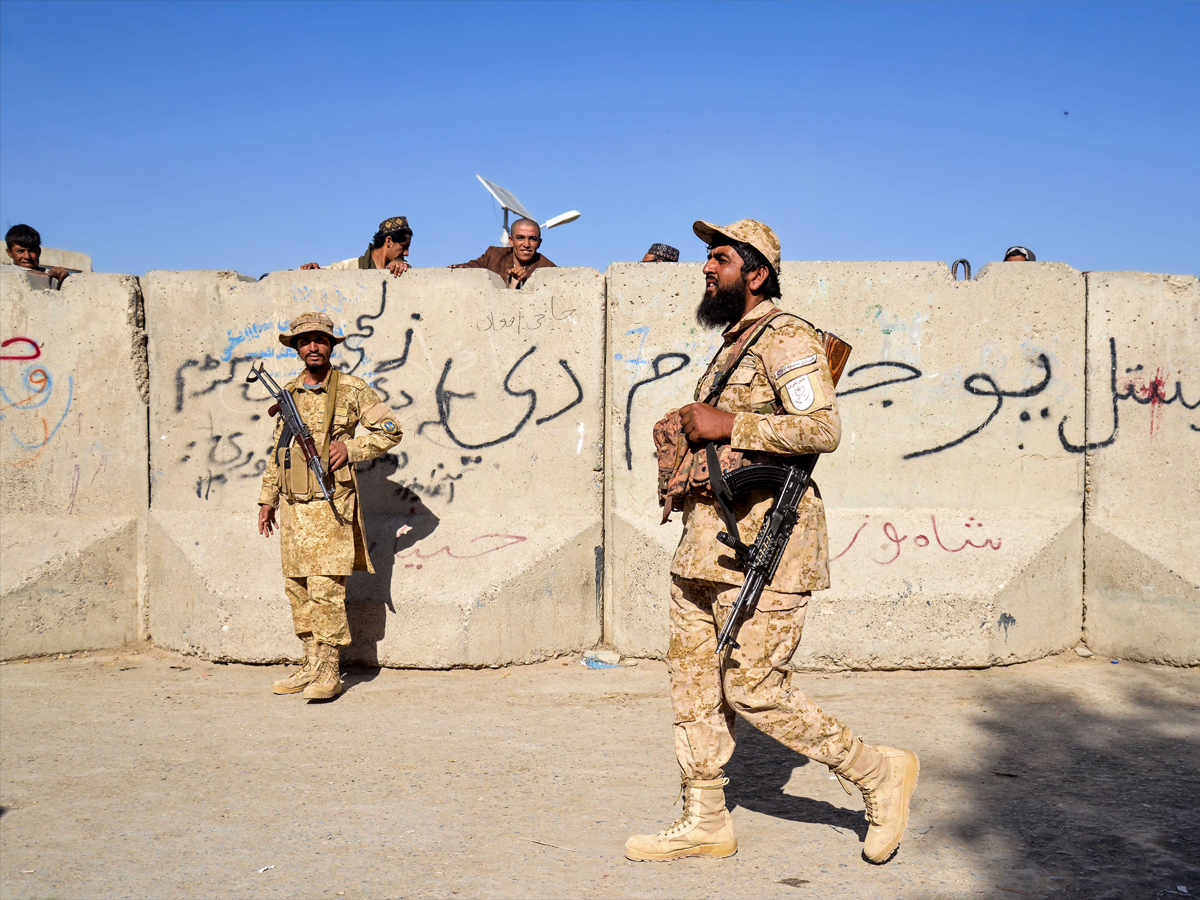
Pakistan has dramatically escalated tensions with the Afghan Taliban government, officially declaring “open war” after a fierce round of border clashes that erupted along the disputed Durand Line. Defence Minister Khawaja Asif said Islamabad no longer has patience for the cross-border attacks and vowed a strong military response. “Our patience has reached its limit. Now it is open war between you and us,” Asif wrote in a social media post, signalling a shift from border skirmishes to a wider conflict.
The announcement comes after both sides traded gunfire along multiple frontier sectors and Kabul claimed its forces were responding to aggressive Pakistani airstrikes in Afghanistan. Soon after, Pakistan began a large-scale operation designed to strike deep into Afghan territory.
Pakistan-Afghanistan War: What is Pakistan’s Operation ‘Ghazab Lil Haq’?
In response to what Islamabad called “unprovoked aggression,” Pakistan launched Operation Ghazab Lil Haq — a substantial military offensive involving precision airstrikes and ground operations. Pakistan’s military says the operation is intended to punish and weaken Taliban forces after alleged cross-border attacks.
According to official statements, Pakistani forces have struck key Taliban military positions in Kabul, Kandahar, Paktia, and other areas, destroying ammunition depots, brigade and corps headquarters, logistics bases, and other infrastructure. Islamic Emirate forces reportedly suffered significant losses.
Pakistan-Afghanistan War: Heavy Losses Reported Amid Retaliatory Strikes
Security officials in Islamabad have released details of combat results from Operation Ghazab Lil Haq. Reports indicate that more than 133 Taliban fighters have been killed and over 200 wounded in initial strikes, with many militant posts destroyed or captured. Pakistan’s air force also demolished major military facilities, including ammunition depots and command headquarters.
Prime Minister Shehbaz Sharif publicly supported the military’s actions, saying the armed forces have the strength to defeat any hostile move and that the entire nation stands behind them. “Our forces have the full capability to crush any aggressive ambitions,” Sharif stated, emphasising Pakistan’s readiness to defend its borders. (User content)
Why Did Pakistan Launch the Operation?
According to Islamabad, Afghan Taliban fighters opened unprovoked fire on multiple border positions in Pakistan’s Khyber Pakhtunkhwa region, prompting the swift military response under Operation Ghazab Lil Haq. Pakistani officials described the Taliban’s actions as a serious escalation that threatened national sovereignty and forced a decisive counterattack.
The strikes followed a period of intensified tension, including allegations of militant groups using Afghan territory to launch attacks within Pakistan. Although Kabul has denied these claims, the exchange of fire and rising casualties have fuelled a deepening conflict.
Pakistan-Afghanistan War: Airstrikes Deep in Afghanistan
Pakistan’s air force reportedly conducted strategic bombing raids on targets deep inside Afghanistan, including major urban and military centres such as Kabul and Kandahar. Explosions lit up the skies over these cities, and anti-aircraft guns were seen firing in response. The strikes are some of the most significant offensive operations carried out by Pakistan against Afghan territory in recent years.
Analysts say this marks a notable escalation beyond frontier skirmishes, into broader use of aerial power targeting militant infrastructure behind Taliban lines. Islamabad insists these actions are legitimate counter-terrorism measures after alleged attacks on Pakistani soil.
Pakistan-Afghanistan War: What Comes Next for Cross-Border Tensions
The international community has expressed deep concern over the sharp escalation, while both Islamabad and Kabul trade blame for initiating violence. Afghanistan claims to have inflicted casualties on Pakistani troops and captured several posts — assertions Pakistan has denied.
With Operation Ghazab Lil Haq underway and no signs of a ceasefire, the conflict now extends beyond isolated border clashes into potentially prolonged hostilities. Regional security experts warn this may destabilise a broader South Asia security environment unless diplomatic channels are urgently revived.




