
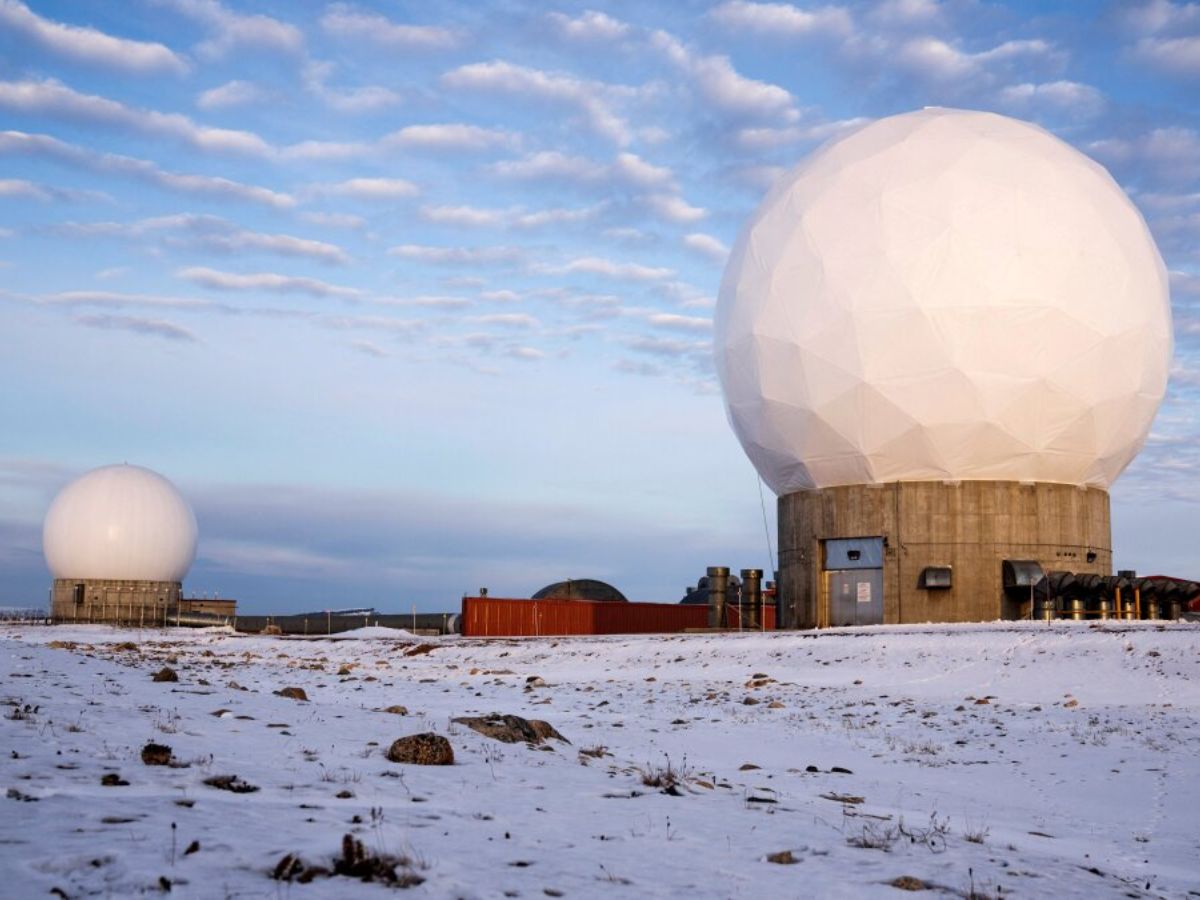
The remote Pituffik Space Base in Greenland has returned to strategic focus as renewed U.S. interest in acquiring the Arctic island surfaces. The installation is America’s northernmost military outpost and a critical node for satellite tracking and missile defense.
What is Pituffik Space Base?
Pituffik Space Base, formerly Thule Air Base, is the only U.S. military installation in Greenland. Located 750 miles north of the Arctic Circle, it is the U.S. Department of Defense’s northernmost facility. It hosts advanced radar and satellite systems for space domain awareness and early missile warning.
Why is its location so strategic?
Its placement on Greenland’s northwest coast gives an exceptional vantage point to watch northern air and space approaches. This is vital for tracking potential threats over the Arctic from rivals and for observing new maritime routes opened by climate change.
How did the base originate?
The U.S. presence dates to World War II. Pituffik was secretly built in 1951 as a Cold War bomber base. It was designed to refuel long-range U.S. aircraft headed toward the Soviet Union, representing a frontline strategic asset for decades.
Why was it renamed recently?
In 2023, Thule Air Base was renamed Pituffik Space Base. U.S. Space Force officials stated the change was to recognize Greenlandic cultural heritage and to better reflect the base’s modern role in space operations, moving beyond its Cold War identity.
What operations are conducted there now?
The base is home to the 12th Space Warning Squadron, which operates a Ballistic Missile Early Warning System radar. A satellite tracking detachment also supports global space operations. It remains operational year-round despite being locked in ice for nine months and experiencing three months of total darkness.
How does it fit into current geopolitics?
With increased Russian and Chinese activity in the Arctic, Pituffik’s role has expanded. It is central to monitoring these movements for U.S. and NATO defense. About 150 U.S. personnel are stationed there alongside Danish and Greenlandic workers.
What is the legal basis for the US presence?
The base operates under a 1951 defense agreement between the U.S. and the Kingdom of Denmark. The pact allows the U.S. to maintain the installation while Denmark retains sovereignty over Greenland. Any expansion requires consultation with both Danish and Greenlandic authorities.




