Internet buzzes as Epstein files spur a viral theory linking Justin Bieber’s “Yummy” video to alleged code words; experts warn against conspiracy interpretations.
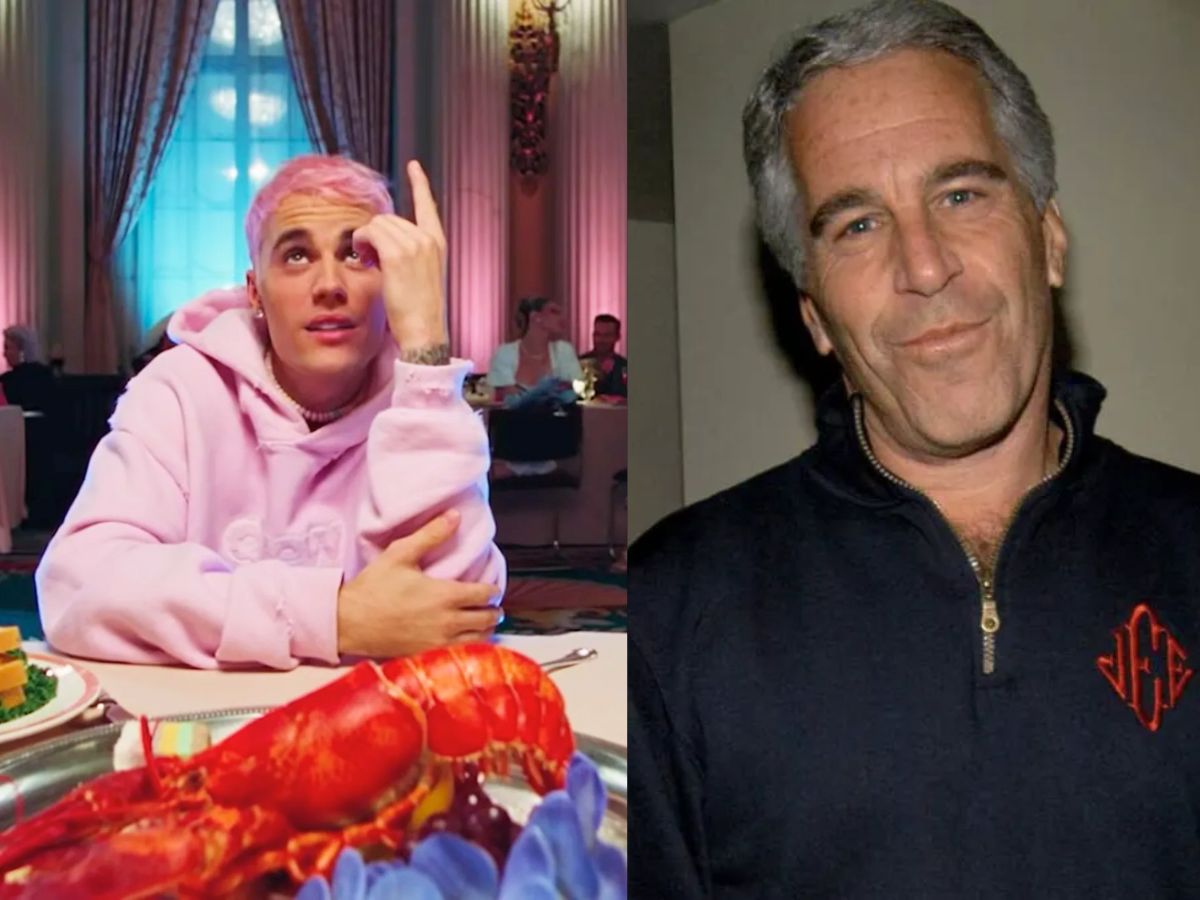
Internet buzzes as Epstein files spur a viral theory linking Justin Bieber’s 'Yummy' [Photo: X]
A viral theory linking Justin Bieber’s 2020 music video Yummy to newly released Epstein Files is gaining traction online, but experts stress the need for caution. As social media users dissect elements of the song and visuals alongside leaked documents, some claim the repeated use of food-related terms hints at hidden meanings or exploitative symbolism.
The discourse has reignited old conspiracy frameworks like Pizzagate, despite a lack of verified evidence. The renewed attention reflects how large data dumps and internet speculation can intersect to fuel provocative interpretations that quickly spiral beyond their original context.
The Department of Justice recently released millions of pages of documents connected to the late financier Jeffrey Epstein. These disclosures include routine correspondence, emails, and mundane exchanges that contain recurring terms such as pizza, hotdog and cheese.
The frequency of such words, including over 900 mentions of pizza, has reignited debate online about their significance. Some internet users link these references to past speculative code-word theories, although authorities and journalists emphasize there is no verified link between ordinary food terms and human trafficking in the documents.
The online theory drawing attention centres on Justin Bieber’s song and music video Yummy, released in January 2020. Originally promoted as a light-hearted love song to his wife Hailey, the video features a lavish dinner party with colourful food and guests enjoying eccentric dishes, visuals that some users now interpret as symbolic.
A TikTok video breaking down the Epstein documents highlights an email referencing pizza described as “yummy, yummy”, a phrase echoing the song’s chorus, prompting internet users to draw a speculative connection between the two.
Despite this, there is no evidence linking Bieber or the song’s creative choices to criminal actions or the findings in the Epstein Files. The video’s imagery and lyrics predate the recent document release by several years, and explanations rooted in artistic choices or music marketing remain more plausible.
The renewed online buzz links Justin Bieber’s Yummy to a phrase found in Epstein-related correspondence, “Your Pizza Is YUMMY YUMMY!!” — which has been circulating widely on social media. Users point to the overlap in language and food imagery to suggest a hidden connection, but investigators and media experts say the similarity is coincidental, not evidentiary.
The phrase appears in casual, informal messages within a massive document dump that includes everyday chatter, and there is no verified proof that such wording functioned as a code in the Epstein files.
Likewise, Yummy was released years earlier as a pop track with stylised visuals common to music videos, and no credible source has established any link between the song, its lyrics, or Bieber and criminal activity. Authorities stress that concluding isolated phrases without context risks reviving debunked narratives and spreading misinformation.
The Pizzagate conspiracy theory originally surfaced during the 2016 U.S. election cycle, when misinterpretations of hacked emails falsely claimed that a pizzeria in Washington, D.C., was linked to a child abuse.
That theory has been widely discredited by fact-checkers, law enforcement and journalists, with no credible evidence supporting the claims. Regardless, terms like pizza and code word have persisted in online lore, and resurfacing mentions in unrelated contexts, such as the Epstein documents, can prompt renewed interest in the debunked narrative.
Bieber’s Yummy video, directed by Bardia Zeinali, depicts the pop star seated at a colourful dinner party surrounded by guests sampling eclectic food items. The visuals, including luxurious settings and playful dishes, were widely interpreted at release as symbolic of wealth, abundance, and celebration rather than conveying hidden meanings. The song’s production and lyrics are generally considered an ode to love and affection.
Despite this, social media discussions have revived speculative interpretations, with some commenters suggesting deeper symbolism linked to industry exploitation or abuse interpretations remain speculative and are unsupported by credible evidence.
Across Reddit and TikTok, users have shared a wide range of reactions to the theory. Some connect the Epstein Files’ mentions of pizza and other food terms to the Yummy video, suggesting hidden or symbolic meanings. Others express concern for Bieber’s well-being, pointing to his candid discussions about mental health and industry pressures.
However, critics of the theory stress that linking artistic content to unrelated legal documents without direct evidence is unfounded. These debates reflect broader trends in how internet communities interpret media, legal disclosures, and celebrity narratives in real time.
Media analysts and misinformation researchers warn against conflating artistic expression with legal documents, especially when drawing connections through coincidence or pattern-seeking. Past conspiracies like Pizzagate have shown how unfounded narratives can escalate quickly and lead to real-world harm.
Without substantiated facts from verified sources, speculation remains just that speculation. Experts emphasise that while public curiosity is natural, responsible interpretation relies on evidence rather than viral inference.
Disclaimer: The content on this page is provided for general informational purposes only and reflects publicly available discussions and reports about social media trends and online speculation. We do not endorse or promote conspiracy theories, and we do not guarantee the accuracy, completeness, or reliability of any information presented. Readers are advised to see reliable primary sources and exercise critical judgment.
