Bangladesh’s BNP, set to form the government, invites PM Modi to its oath-taking ceremony, signaling a push for stronger India-Bangladesh ties.
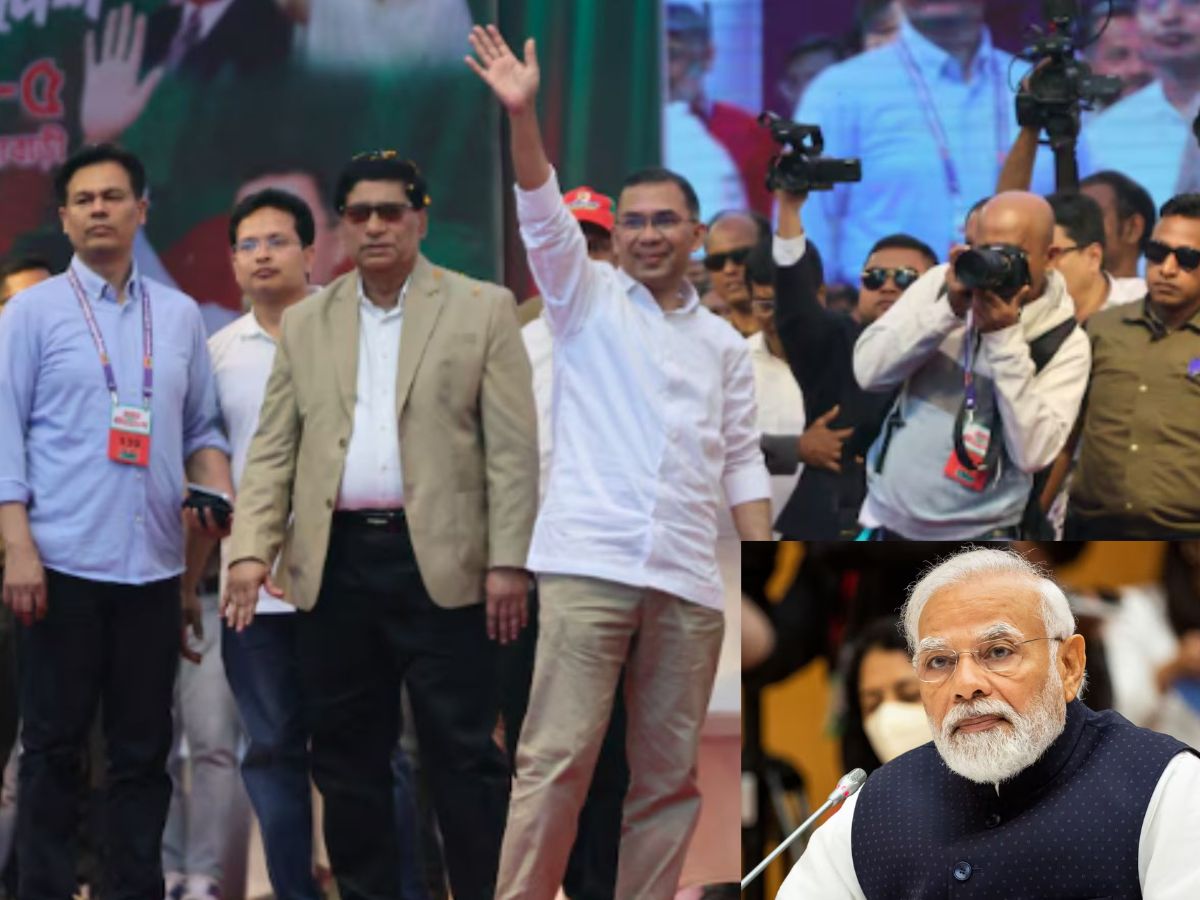
Bangladesh’s BNP Invites PM Modi to Attend Oath-Taking Ceremony (File Photo)
The Bangladesh Nationalist Party (BNP), poised to form the next government, has officially invited Prime Minister Narendra Modi to attend its upcoming oath-taking ceremony. The invitation is seen as a strategic effort by BNP chairman Tarique Rahman to build stronger ties with India.
The ceremony for the newly elected Members of Parliament is scheduled for February 17, according to Cabinet Secretary Dr Sheikh Abdur Rashid.
In addition, Professor Muhammad Yunus, the Chief Adviser of the interim government, has invited leaders from 13 countries to witness the formation of the new cabinet. The list includes China, Saudi Arabia, India, Pakistan, Turkey, the United Arab Emirates, Qatar, Malaysia, Brunei, Sri Lanka, Nepal, the Maldives, and Bhutan, sources confirmed.
Following Prime Minister Modi’s congratulatory message on ‘X’, the BNP responded warmly, saying, “Thank you very much. We greatly appreciate your kind acknowledgement of Tarique Rahman’s leadership in securing the BNP’s decisive win in the national elections. We look forward to engaging constructively with India to advance our multifaceted relationship, guided by mutual respect, sensitivity to each other’s concerns, and a shared commitment to peace, stability, and prosperity in our region.”
This statement reflects the BNP’s aim to foster a cooperative and positive relationship with India under the new government.
Notably, during his first phone conversation with Tarique Rahman after the election victory, PM Modi expressed hope to work together to strengthen the bonds between India and Bangladesh. Analysts suggest that India’s level of engagement with Bangladesh under Rahman’s leadership will be closely observed, as it may influence the direction of the new government.
At 60 years old, Tarique Rahman is set to become Bangladesh’s first male head of government in 35 years, following BNP’s decisive triumph in the national polls. His leadership is expected to mark a new chapter in both domestic governance and regional diplomacy.
