Greenland's PM warns citizens to be ready for a possible invasion as Trump's push to take control of the island intensifies and Europe grows uneasy.
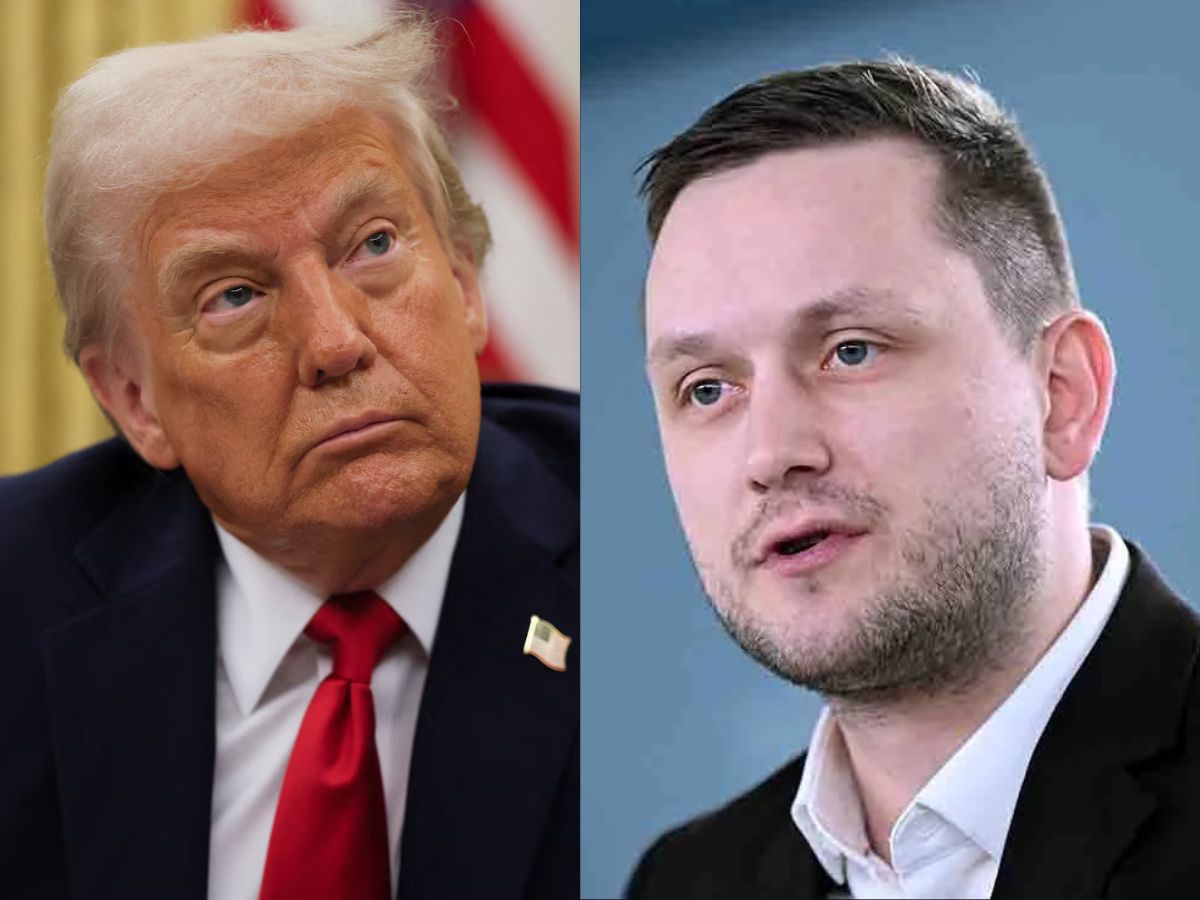
Greenland's PM warns citizens to be ready for a possible invasion [Photo: X]
Greenland's PM has warned citizens to prepare for a possible military invasion as tensions rise over US President Donald Trump's repeated push to take control of the Arctic island. While he said a conflict remains unlikely, he stressed that it cannot be ruled out and that residents and authorities should be ready for all scenarios.
The cautionary message comes amid growing alarm in Europe over Trump's tariff threats and assertive rhetoric about acquiring Greenland for 'national and world security'.
Jens-Frederik Nielsen serves as Prime Minister of Greenland, the vast Arctic territory that is part of the Kingdom of Denmark but largely self-governing. As the island’s top elected leader, Nielsen is responsible for local governance and public safety.
His office has taken the unprecedented step of urging citizens to prepare for potential disruptions linked to geopolitical tensions, a rare move that underscores the seriousness with which Greenland’s leadership views recent developments.
Nielsen told a press conference in Nuuk, Greenland’s capital, that while a military conflict is “not likely,” it “can’t be ruled out” amid ongoing pressure and threats. He said authorities are creating a task force to guide preparations, including distributing guidelines to help residents cope with potential disruptions.
Among the recommendations is storing enough food for at least five days, although there has been no official call for widespread stockpiling yet.
President Donald Trump’s recent remarks about Greenland have added fuel to the debate. Trump has framed his desire to control the island in strategic terms, claiming it is important for national and global security.
He has also threatened tariffs on European countries that oppose this vision. Greenland, Denmark, and their European allies have firmly rejected the idea that the territory is for sale or that force could be used.
Greenland’s unique position as part of the NATO alliance adds complexity to the situation. Nielsen highlighted that because the island is within a mutual defence pact, any escalation would affect not just Greenland but all NATO members.
This raises broader security questions about alliance commitments and how far geopolitical contests over territory can stretch established military partnerships.
European leaders have spoken out strongly against threats toward Greenland. Officials from countries including Germany, France and the United Kingdom have voiced support for Denmark’s sovereignty and called for diplomatic solutions.
The EU has also discussed responses that may include trade measures if tensions escalate. Many leaders argue that decisions about Greenland must be made by its people, not under pressure or coercion.
The Greenland government is organising a task force to coordinate preparedness. Authorities plan to issue guidelines to local communities, including precautionary steps for daily life continuity. While the emphasis is on readiness rather than alarm, the message is clear: even unlikely scenarios deserve attention in uncertain times.
The warning from Greenland’s PM reflects more than diplomatic unease, it highlights how climate change, strategic value and geopolitical competition in the Arctic are reshaping global priorities.
As countries vie for influence in the region, small populations like Greenland’s find themselves at the centre of disputes they once viewed as distant. Analysts say this moment underscores a broader shift: the Arctic is no longer a quiet frontier, but a potential flashpoint in global power dynamics.
With tensions simmering, all eyes remain on diplomatic talks and NATO’s response. Whether threats remain rhetorical or evolve into tangible pressure, the situation in Greenland is likely to shape debates on alliance loyalty, territorial sovereignty and how nations prepare for unexpected global events.
