
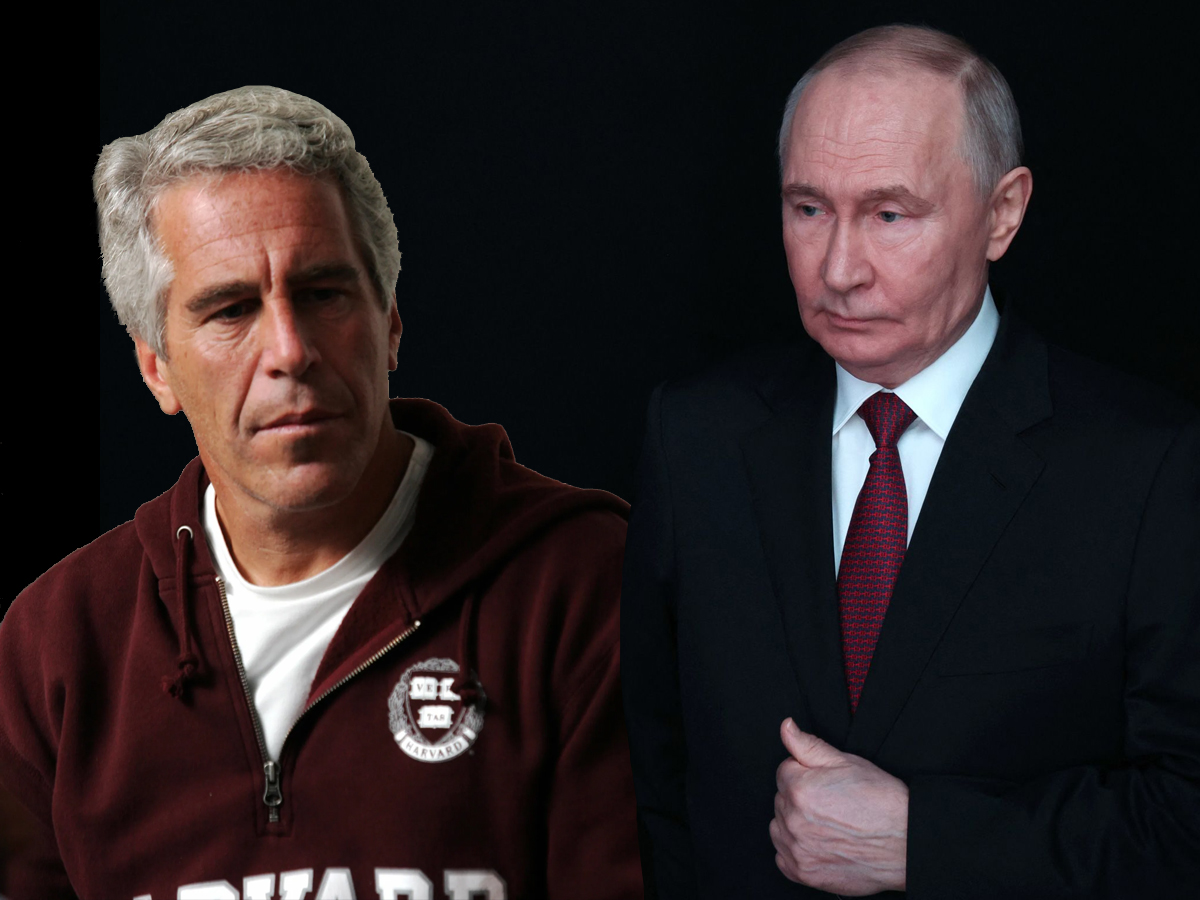
Newly released files from the US Department of Justice suggest that disgraced financier Jeffrey Epstein actively tried to position himself among powerful global leaders, including senior figures in Russia. The documents describe multiple attempts by Epstein to reach Russian President Vladimir Putin and other influential officials, raising questions about how he tried to expand his political influence beyond the West.
While the records show repeated outreach efforts, investigators have found no confirmed proof that Epstein ever secured direct access to the Russian president.
Did Jeffrey Epstein Try To Contact Vladimir Putin?
The emails indicate that Epstein sought assistance from high-profile international figures to establish communication channels with Russian leadership. In June 2018, he reportedly contacted Thorbjorn Jagland, a senior Norwegian leader and then Secretary General of the Council of Europe, requesting help delivering a message to Putin.
Epstein appeared eager to present himself as someone capable of facilitating political conversations and investment opportunities between Russia and Western countries.
Emails Show Outreach To Sergey Lavrov And Russian Diplomats
The files reveal that Epstein attempted to connect with several senior Russian officials, including Foreign Minister Sergey Lavrov and former Russian Ambassador to the United Nations Vitaly Churkin.
According to the documents, Epstein wrote that he previously communicated with Russia through Vitaly Churkin, but after Churkin’s death, he was looking for a new channel. He claimed that Churkin had come to understand Donald Trump better after their conversations.
Investigators believe Epstein used these claims to enhance his image as a global power broker.
Putin’s Name Appears 1005 Times — What Does It Mean?
Officials reviewing the documents found that Russian President Vladimir Putin’s name appeared at least 1005 times across millions of pages. However, most references reportedly came from news clippings or materials Epstein received rather than verified communications.
Several emails included Epstein’s claims that he expected to meet Putin or had been invited to Russia, but authorities have found no official confirmation that such meetings ever occurred.
European Leaders React, Russia Rejects Allegations
The disclosures have triggered debate across Europe, with some political leaders urging closer scrutiny of Epstein’s international connections. Polish Prime Minister Donald Tusk said that his country would investigate Epstein’s possible ties to Russian intelligence agencies.
Tusk claimed that it is possible that the Epstein affair was orchestrated with the help of Russian intelligence agencies and that compromising material against several global leaders was collected through it.
However, Russia has dismissed these allegations as nonsense. Kremlin spokesman Dmitry Peskov said that the claim that Epstein worked for Russian intelligence agencies is not worth taking seriously.
Was Epstein Trying To Gain Political Influence?
Experts believe Epstein attempted to present himself as an influential intermediary capable of opening doors to powerful governments. The documents suggest he repeatedly tried to build credibility by claiming high-level contacts, though investigators have not found evidence that he successfully penetrated the Kremlin’s inner circles.
Analysts say the emails reflect an effort to craft an image of geopolitical importance rather than confirmed access to top leadership.




