Russia launched a second large-scale missile and drone attack on Ukraine's power grid, using nearly 300 drones and ballistic missiles, cutting power and killing civilians in freezing weather.
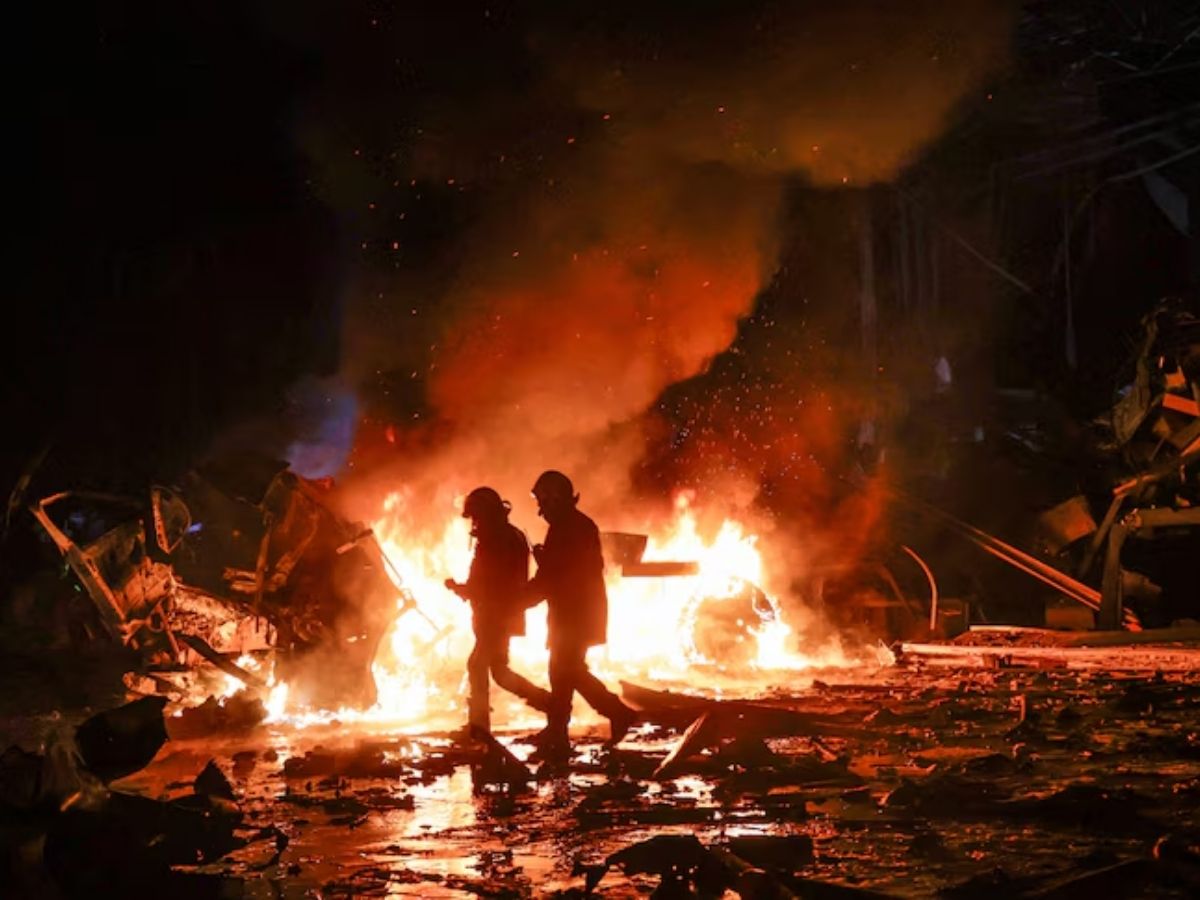
Russia launched a second large-scale missile and drone attack on Ukraine's power grid [Photo: Reuters]
Russia has launched a second major attack in just 4 days on Ukraine's energy infrastructure, firing swarms of drones, ballistic missiles and cruise missiles at the power grid as winter's harsh temperatures grip the country. President Volodymyr Zelenskyy said the overnight barrage hit multiple regions and cut electricity to hundreds of thousands of homes at a time when heat and power are critical.
The attack used a mix of drones and long-range missiles, including ballistic types, underscoring Russia's strategy to deprive civilians of essential services and erode resistance as the war nears its fourth year.
The latest barrage comes just four days after Russia launched one of its biggest aerial assaults of the war, flooding Ukrainian skies with drones and missiles in a coordinated overnight strike. That earlier attack severely damaged energy facilities across multiple regions and marked a sharp escalation in Russia's winter campaign.
Ukrainian officials said Russia even used a new hypersonic missile during the first wave, sending a clear signal that the Kremlin was prepared to intensify long-range strikes. The second assault now confirms that the initial attack was not an isolated strike, but part of a sustained effort to cripple Ukraine’s power grid during freezing temperatures.
In the latest attack, Russian forces fired almost 300 drones, 18 ballistic missiles and seven cruise missiles at eight regions of Ukraine overnight, Zelenskyy said on social media. Major energy infrastructure and civilian areas were damaged, and a strike on a logistics facility in Kharkiv killed at least four people and wounded others, officials said.
The attack plunged large swathes of the capital Kyiv into darkness amid temperatures as low as minus 12°C, with residents relying on generators and emergency shelters for warmth. This marks the most intense power outage Kyiv has faced in months.
Russian forces have increasingly combined ballistic missiles and drones to overwhelm Ukrainian air defences and strike deeper targets. Ballistic missiles provide long-range capability, reaching strategic infrastructure far from the front lines, while drone swarms saturate defence systems and cause widespread disruption.
This pattern reflects a broader shift in Russia’s operational approach, focusing not only on frontline engagement but also on crippling civilian infrastructure to put pressure on Ukraine’s economy and morale during the harsh winter months.
The latest strikes have intensified Ukraine’s humanitarian crisis. Hundreds of thousands of households in Kyiv and nearby regions were left without power, heating and hot water. Local authorities reported severe shortages in electricity and central heating, forcing residents to crowd into buildings with limited heat to stay warm.
Officials set up emergency warmth centres and provided hot meals to the vulnerable as subzero temperatures persisted. Kyiv’s mayor said emergency workers were operating around the clock to restore services.
Last year saw the deadliest rate of civilian casualties since the war began, with more than 2,500 killed and over 12,000 injured, according to a U.N. monitoring mission.
Analysts say the recent focus on energy infrastructure, including power plants and grids, is intended to “weaponize winter” by depriving civilians of heat and basic services. Repeated major attacks on energy facilities have become a grim seasonal tactic, inflicting hardship when temperatures drop and increasing the strain on Ukraine’s resilience.
Ukraine continues to call for more advanced air defence systems from the United States and Europe to counter the drone and missile threats. Zelenskyy has repeatedly appealed for quicker deliveries of agreed aid to protect critical infrastructure.
Meanwhile, the United States and NATO allies have condemned the escalation, with U.S. representatives calling the barrage a “dangerous and inexplicable escalation” that undermines peace efforts.
The second massive strike in days comes after Russia used a hypersonic ballistic missile in a prior attack, signalling that Russia remains willing to deploy advanced weaponry and strike deep into Ukrainian territory.
Such missiles, capable of high speeds and unpredictable trajectories, pose significant challenges to defence systems and serve as psychological and strategic signals to both Kyiv and NATO members.
Restoration of power and heating remains a priority for Ukrainian authorities as extreme cold continues. Emergency crews are racing to repair infrastructure, restore heat to residential areas, and keep lifelines such as hospitals and water treatment facilities running.
Officials warn that without sustained support and enhanced defence systems, future attacks could further strain civilian life and Ukraine’s winter survival efforts.
