President Trump says a change of government in Iran “would be the best thing,” as he orders a second aircraft carrier to the Middle East amid stalled Iran talks.
President Trump says a change of government in Iran “would be the best thing” [Photo: X]
In a striking escalation of US pressure on Tehran, President Donald Trump said that a change of government in Iran “would be the best thing that could happen” and confirmed the deployment of a second aircraft carrier to the Middle East. The comments and military move on February 13, 2026, reflect growing tensions as Washington seeks to curb Iran’s nuclear program and regional influence.
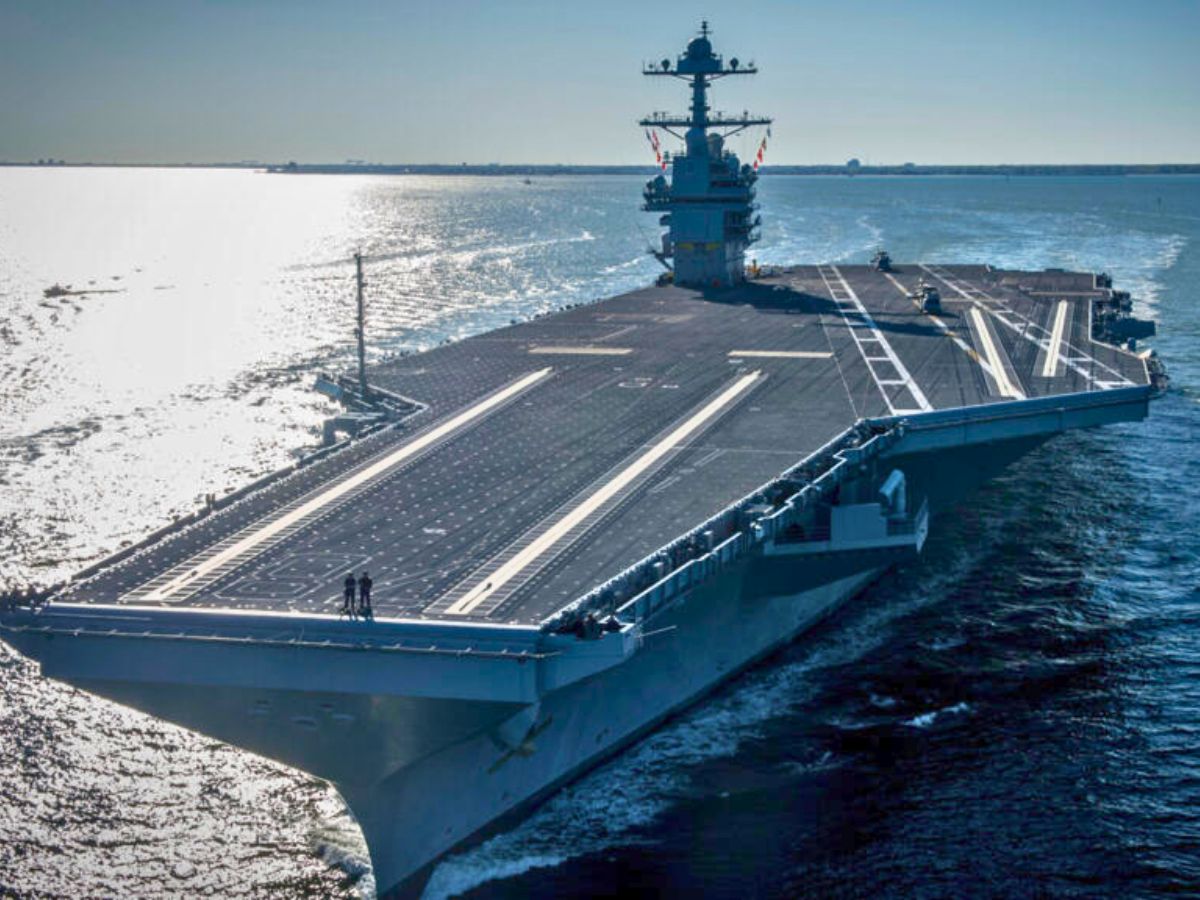
Trump made the remarks during a visit to US troops at Fort Bragg in North Carolina, marking one of his clearest statements in support of potential regime change. The aircraft carrier USS Gerald R. Ford, the largest in the US Navy, will join the USS Abraham Lincoln and other forces already in the region as part of a major naval buildup.
When asked by reporters if he wanted “regime change” in Iran, Trump replied: “Seems like that would be the best thing that could happen.” He did not specify who he would want to replace Iran’s clerical leadership, saying only, “there are people.”
The president described decades of stalled talks with Tehran, saying Washington has lost lives while “they’ve been talking and talking and talking.” His remarks signal a shift toward a more confrontational posture, even as diplomats in Oman and other venues continue to pursue negotiations.
Trump has previously expressed skepticism about full-scale regime change for fear of regional instability, but his comments this week mark his most explicit public endorsement yet.
In addition to his comments, Trump confirmed that the USS Gerald R. Ford will soon head to the Middle East from the Caribbean, where it has been operating for months. The supercarrier will augment the USS Abraham Lincoln and an already substantial US naval presence in the region.
The administration says the deployment is intended to exert pressure on Tehran if diplomatic efforts fail. “In case we don’t make a deal, we’ll need it,” Trump told reporters, signalling readiness to escalate military pressure if Iran does not comply with US demands.
The carrier strike group adds advanced aircraft, guided missiles and defence systems, offering both deterrence and potential offensive capability should conflict erupt.
The United States and Iran held indirect talks last week in Oman in an effort to find common ground on Iran’s nuclear program. Washington wants any agreement to also include limits on ballistic missiles and support for regional proxy groups — conditions Tehran has resisted.
Iran denies its nuclear program seeks weapons development, but the West remains skeptical. Trump said he hopes diplomacy succeeds but warned that failure would have serious consequences.
Israeli Prime Minister Benjamin Netanyahu has urged the US to take a tougher line with Iran, pushing for broader concessions beyond nuclear limits, including restrictions on regional militias.
Trump’s remarks and the rapid carrier deployment have sparked reactions across global and regional arenas. Analysts say the US military buildup could heighten fears of wider conflict in the Middle East, especially as Tehran has vowed retaliation if pushed too far.
Gulf Arab states, mindful of regional stability, have cautioned against military escalation, warning that it could destabilize an already fragile region. The US also faces concerns about extended deployments putting strain on Navy personnel and equipment.
In Washington, lawmakers debated Trump’s statements, with some praising the tougher rhetoric and others warning that regime change strategies can lead to prolonged conflict. Many pointed out that publicly advocating for dislodging a foreign government is unusual, given the risks of major military engagement.
The timing of Trump’s statement comes amid ongoing unrest in Iran, following a deadly crackdown on protests sparked by economic hardship and political repression. Rights groups have reported thousands of deaths and tens of thousands of arrests.
US-based Iranian opposition figures have called for increased international support, but Tehran has resisted external pressure and labelled interference as hostile.
Trump has reiterated his preference for a deal, but his language underscores a willingness to shift toward a more forceful posture if negotiations collapse. The deployment of a second aircraft carrier reinforces that stance, signalling a readiness for sustained pressure — and potentially conflict — if diplomatic avenues fail.
For now, Washington balances diplomacy with a show of military strength, aiming to influence Tehran’s decisions without igniting a broader confrontation.
