Vladimir Putin signals Russia could offer $1 billion from frozen assets to join Trump's Board of Peace, tying membership to broader peace deals and global conflict talks.
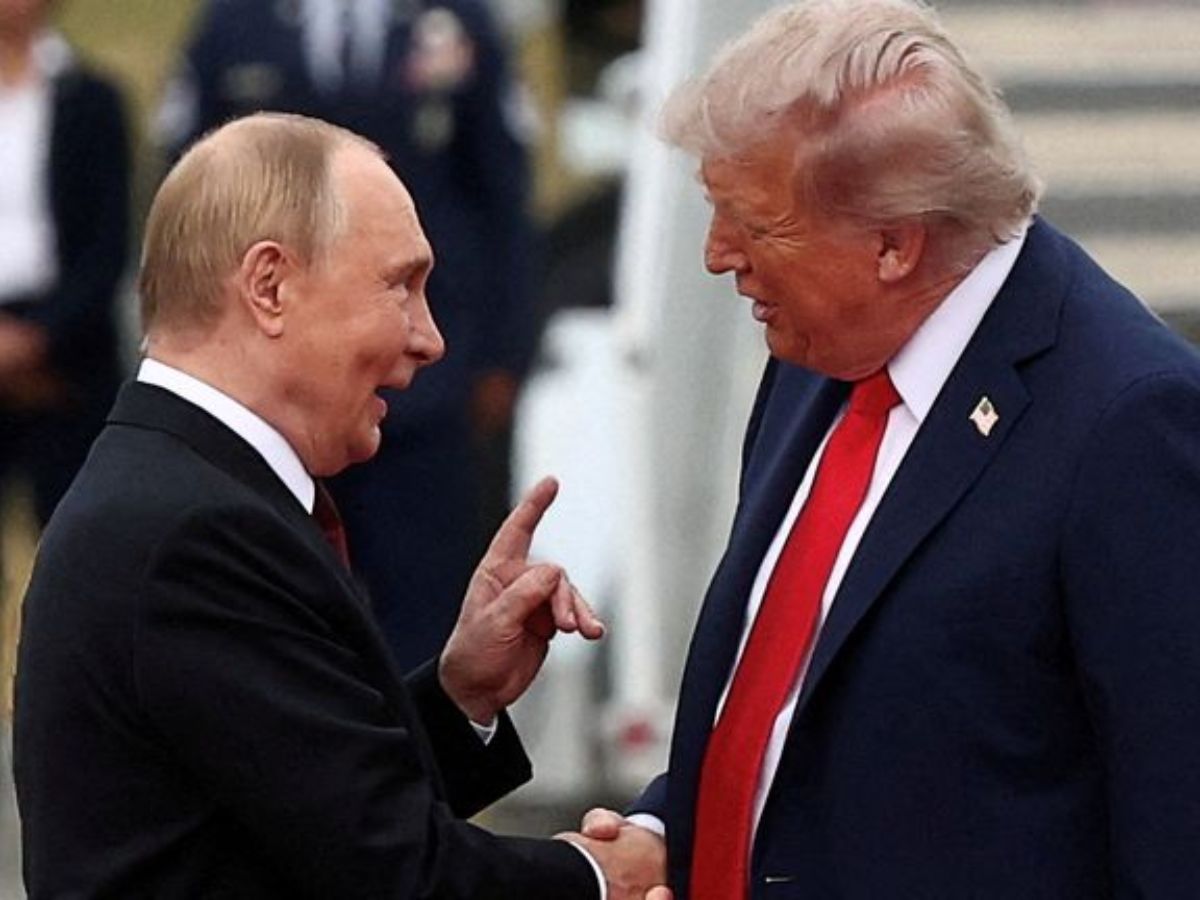
Vladimir Putin signals Russia could offer $1 billion from frozen assets to join Trump's Board of Peace [Photo: X]
Russian President Vladimir Putin has suggested that Russia could contribute $ billion from Russian assets frozen in the United States to become a permanent member of US President Donald Trump’s controversial Board of Peace initiative.
But the offer comes with conditions and broader diplomatic implications, as Russia continues to evaluate the invitation and consult its strategic partners before formally responding.
The Board of Peace was proposed by Trump as part of a peace strategy linked to Gaza and other global conflicts, but the idea has expanded into a much larger diplomatic platform. The bloc has reacted with mixed interest, and Russia’s position adds a new twist to the effort.
Putin’s willingness to join Trump’s Board of Peace appears driven by strategy rather than symbolism. The Russian leader sees the platform as a way to re-enter high-level global diplomacy at a time when Russia remains isolated over the Ukraine war. By engaging with a US-led peace initiative, Russia positions itself as a stakeholder in global conflict resolution.
Another key factor is money. Putin has proposed using $1 billion from Russian assets frozen by the previous US government to support the board. This allows Russia to redirect seized funds into a political initiative that serves its interests, while also opening the door for negotiations over the remaining frozen assets.
The move also helps Russia expand its influence beyond Europe. Trump’s Board of Peace initially focused on Gaza but has since widened its scope to global conflicts. Participation would give Russia a voice in Middle East diplomacy, where it already holds leverage.
Finally, joining the board could help Putin reshape Russia’s international image from a sanctioned power to a peace broker without making immediate concessions on Ukraine.
Trump introduced the Board of Peace last year as a body to help oversee a ceasefire and transition in Gaza, but he has since expanded its role to include broader conflict resolution efforts. The idea is to bring together select world leaders to promote peace and manage reconstruction in war-torn regions.
The council’s structure includes a leadership tier, executive board, and a third tier of technocrats. Trump will serve as its inaugural chairman, and some countries must pay a $1 billion fee to secure permanent seats. Temporary membership for three years may be granted without payment, according to proposals seen in related coverage.
So far, many nations have publicly accepted invitations to join the board — including Saudi Arabia, Turkey, Egypt, Jordan, Indonesia, Pakistan, Qatar, and the UAE — but others remain undecided or have declined.
In a televised meeting of Russia’s Security Council, Putin said Russia could transfer $1 billion from Russian assets frozen under the previous US administration to the Board of Peace. He framed the gesture as a commitment to stability and reconstruction efforts.
“We could send 1 billion US dollars from Russian assets frozen during the previous US administration to the Board of Peace,” Putin said, adding that Russia has “always supported and continues to support any efforts aimed at strengthening international stability.”
However, he emphasized that the Russian Foreign Ministry must first review the board proposal and discuss it with strategic partners before Russia can formally commit to participation.
Putin’s statement did not simply confirm Russia’s acceptance. Instead, it tied the potential contribution and membership to wider diplomatic concerns, including the need for a clear peace agreement in other major conflicts, notably the Russia-Ukraine war. Some reporting notes that the remainder of Russia’s frozen assets could be used for reconstruction once a peace treaty is concluded.
This stance highlights Russia’s desire to leverage its global diplomatic position while tying its involvement to the fulfilment of broader geopolitical objectives. Analysts say the move also reflects Putin’s attempt to gain international relevance and shape peace narratives beyond just Middle East issues.
The idea of Russia joining the Board of Peace has drawn scepticism from some quarters. Critics argue that allowing a nation engaged in ongoing conflict, such as the war in Ukraine, to hold influence in a global peace forum could undermine its legitimacy. Others see the initiative’s expansion beyond Gaza as closing off traditional multilateral peacekeeping efforts led by global institutions.
European nations and other allies have responded cautiously to the board’s broader ambitions, with some hesitant to join due to concerns it could sideline existing frameworks such as the United Nations.
Russia has not yet confirmed its final decision on joining the board. The Kremlin has tasked its foreign ministry with studying the documents and consulting with partners before issuing a formal reply.
Diplomats say that the next steps will likely involve negotiation between Russia and Washington on both membership terms and broader peace commitments. Whether Russia’s offer of a $1 billion contribution will be accepted, and whether it signals genuine intent to support peace efforts, remains to be seen.
